Moomins’ many ways
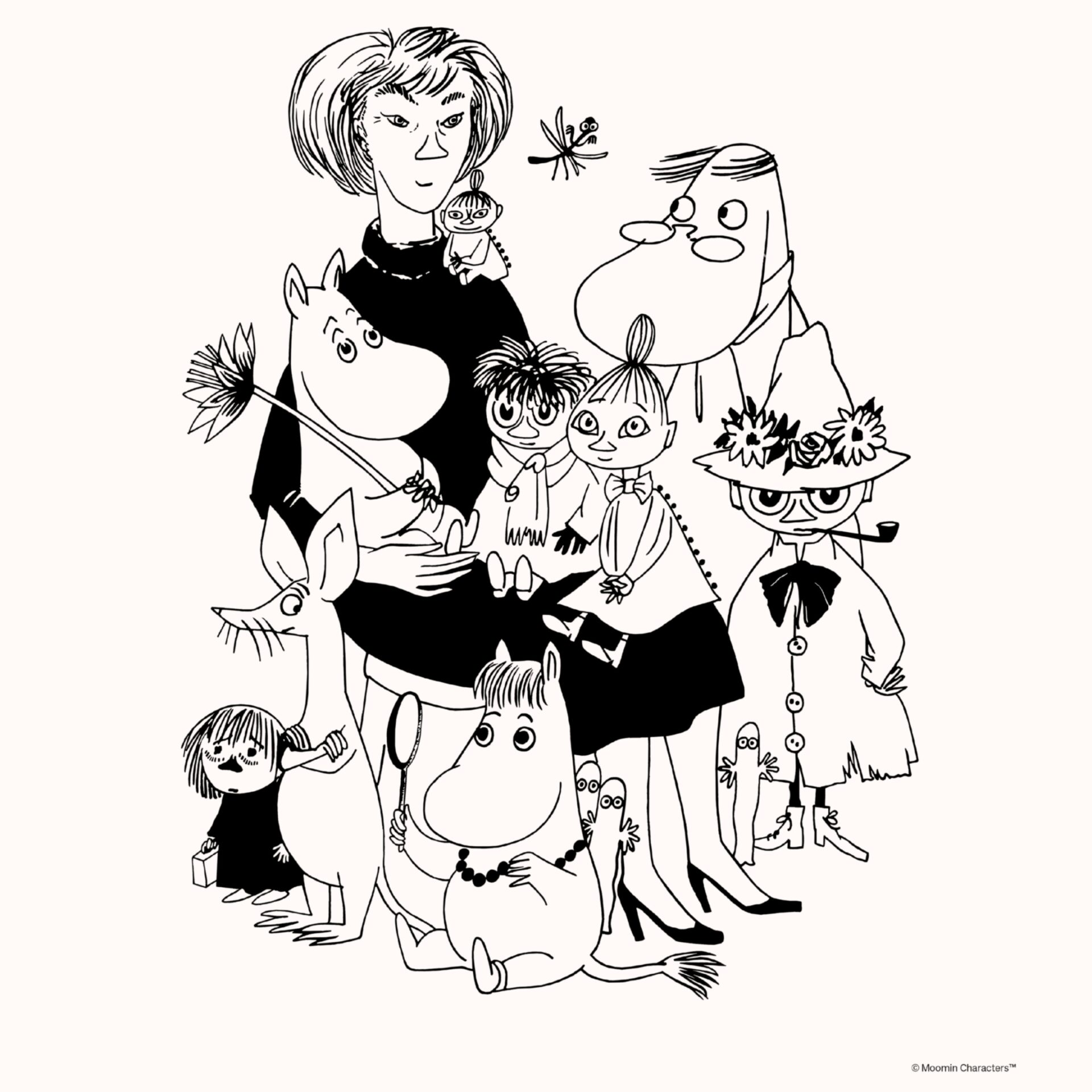
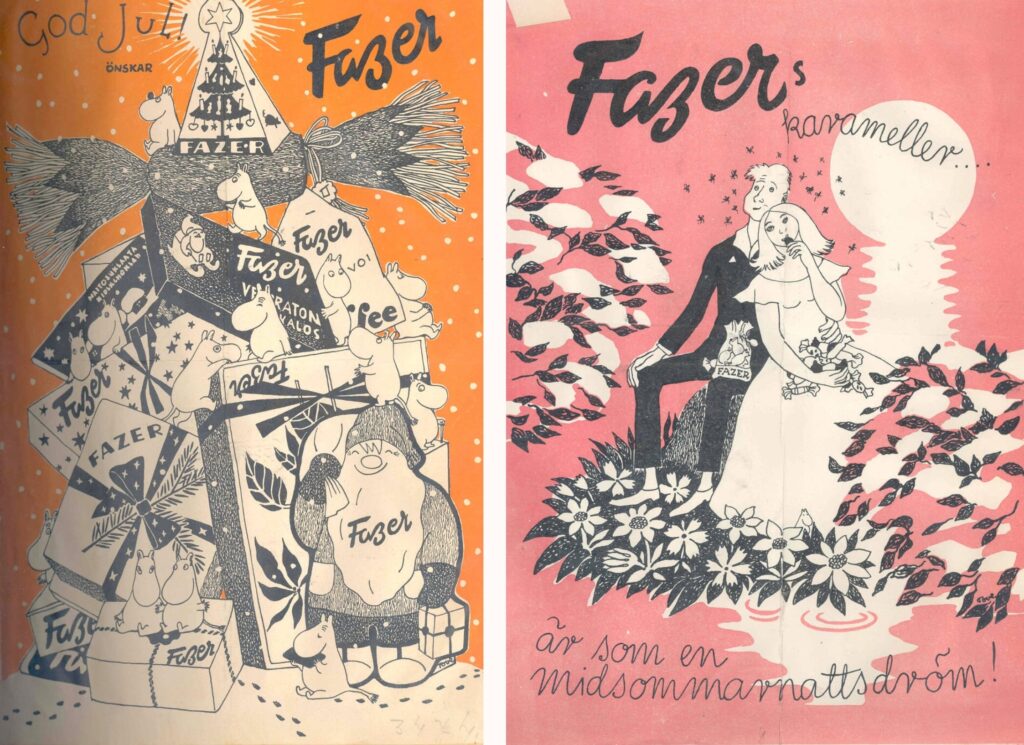
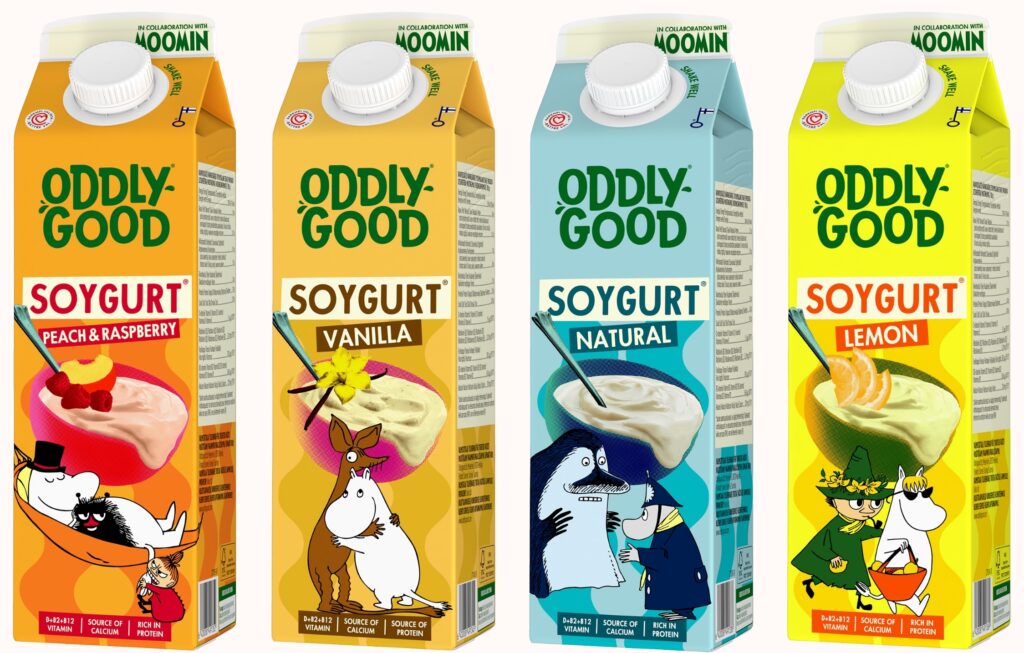
The first Moomin products were launched in 1954, and today the trademark has around 800 licensees. During the past anniversary year, the Moomins have shown up almost everywhere. The company didn’t grow overnight, however.
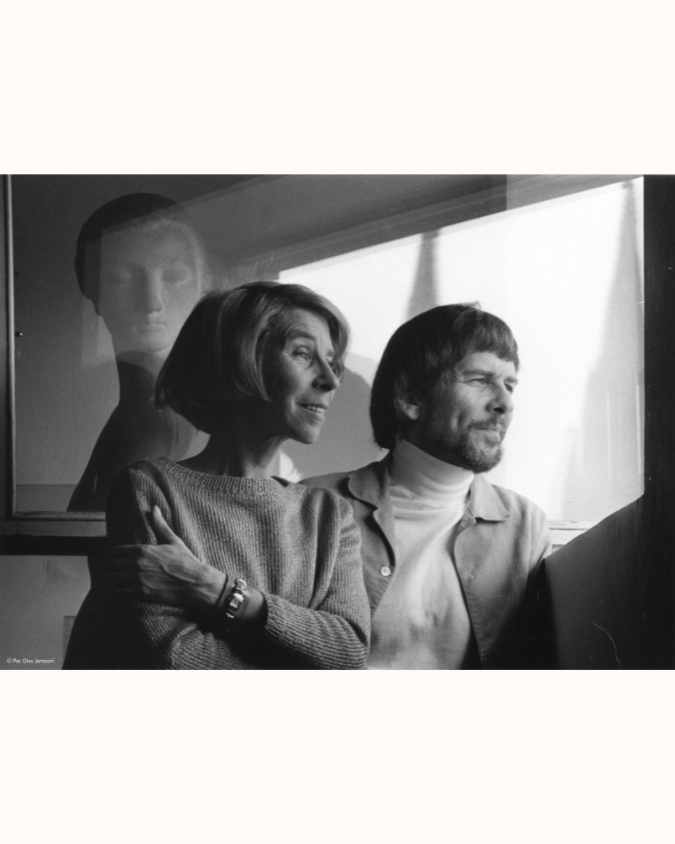
How did the licensing of Moomins evolve into its current form, Managing Director of Moomin Characters Roleff Kråkström?
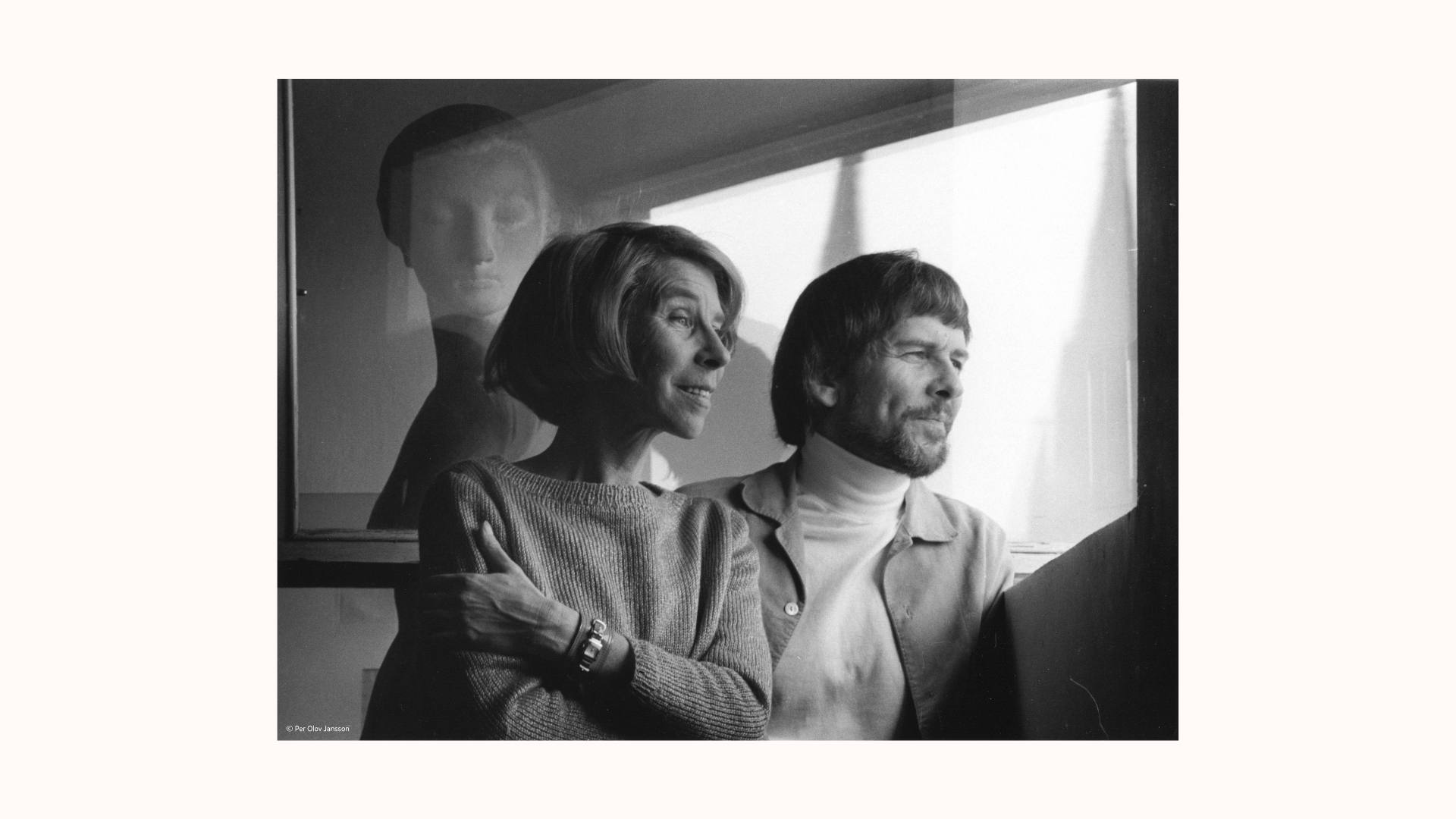
“Tove and Lars Jansson were very reflective people, and they thought things through before acting on anything. Very early on, they realised the significance of Tove’s creativity and set up a limited partnership in the 1950s. Tove wanted to write about universal, humane values. At the same time, they also decided to choose an English name for the company – Moomin Characters.
A clear structure and name have made internationalisation of the Moomins and the creation of a licensing business possible. The company form has proven to be a successful model for collaboration, as it allows for shareholders, whereas copyright is personal and challenging to manage. This also allowed them to hire other people so that Tove could focus on her art.
The starting point was both exceptional and deliberate. A plan was put in place that was long-lasting, multi-generational and would ensure the company remained in the family even after Tove and Lars.”
What kind of collaborative projects is Moomin Characters involved in?
“Today, Moomin Characters is both a client of the Rights & Brands agency, as well as a major owner and one of its founders. At the agency, we work with the best art, literature and design brands in the Nordic countries.
In terms of Moomin products’ licensing, we currently have around 12,000–15,000 active products listed. Here at Moomin Characters, we believe that growth is the way forward. Although there are limits to the contexts in which we are involved, we’re not cautious about growth itself. We follow core human values.
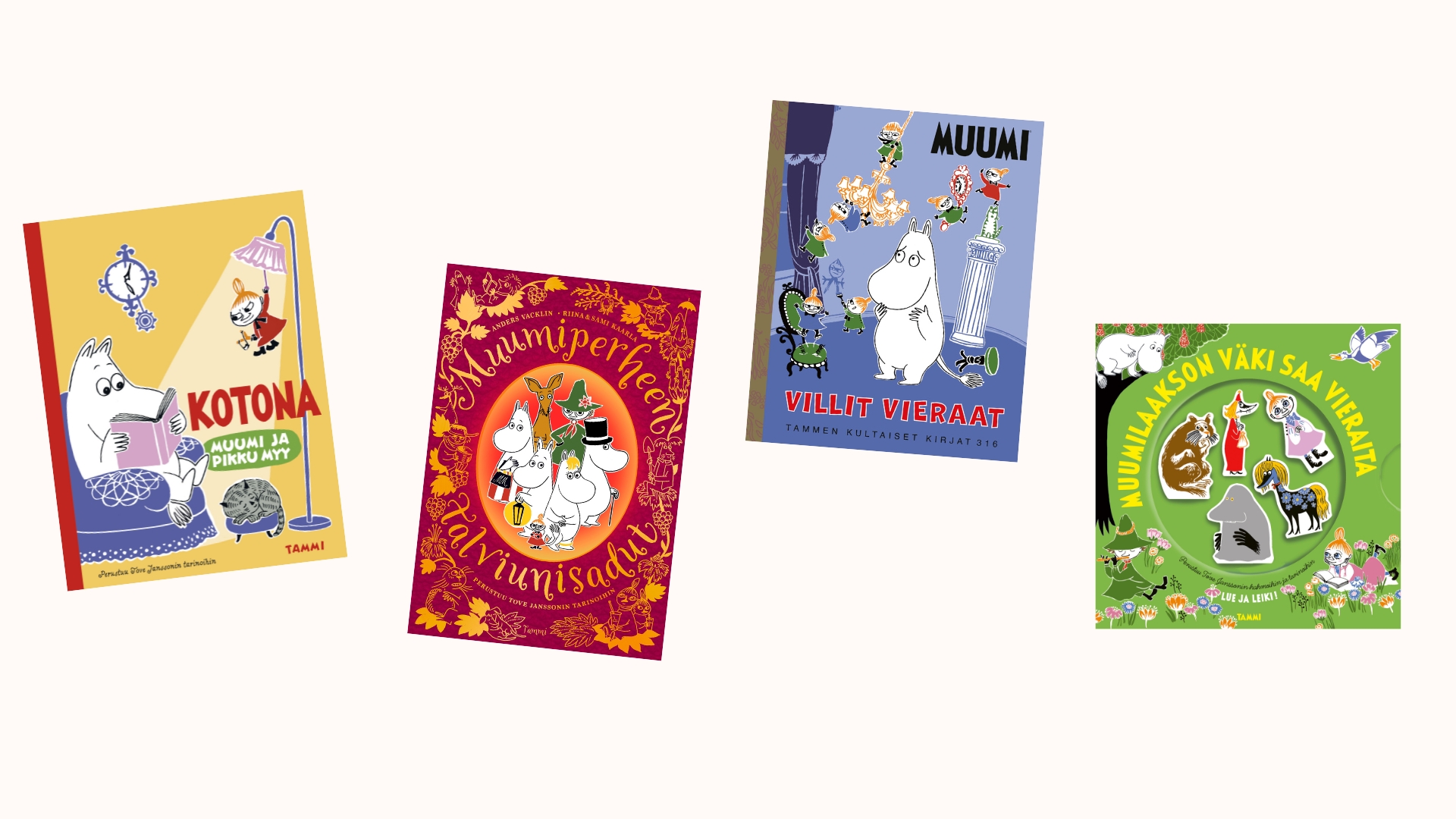
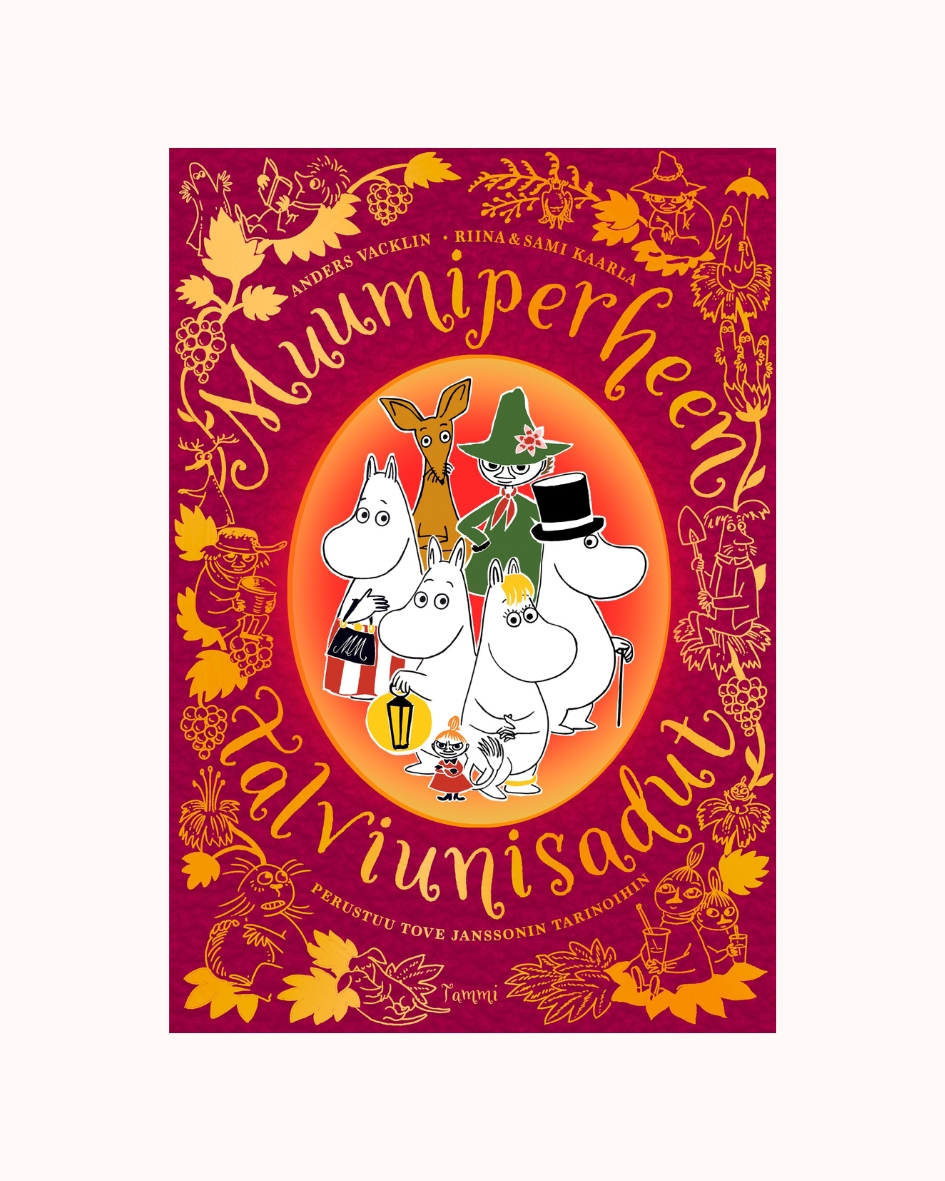
With Moomin products, we aim to use Tove’s original illustrations. There are a few exceptions to this, however. When it comes to children’s books, we work with three illustrators. As Tove’s novels are quite difficult for young children to read, simplified versions have been permitted. They are, nevertheless, very faithful to Tove’s original works. All illustrations are approved by us, and these agreements stipulate that the copyrights are transferred to Moomin Characters.”
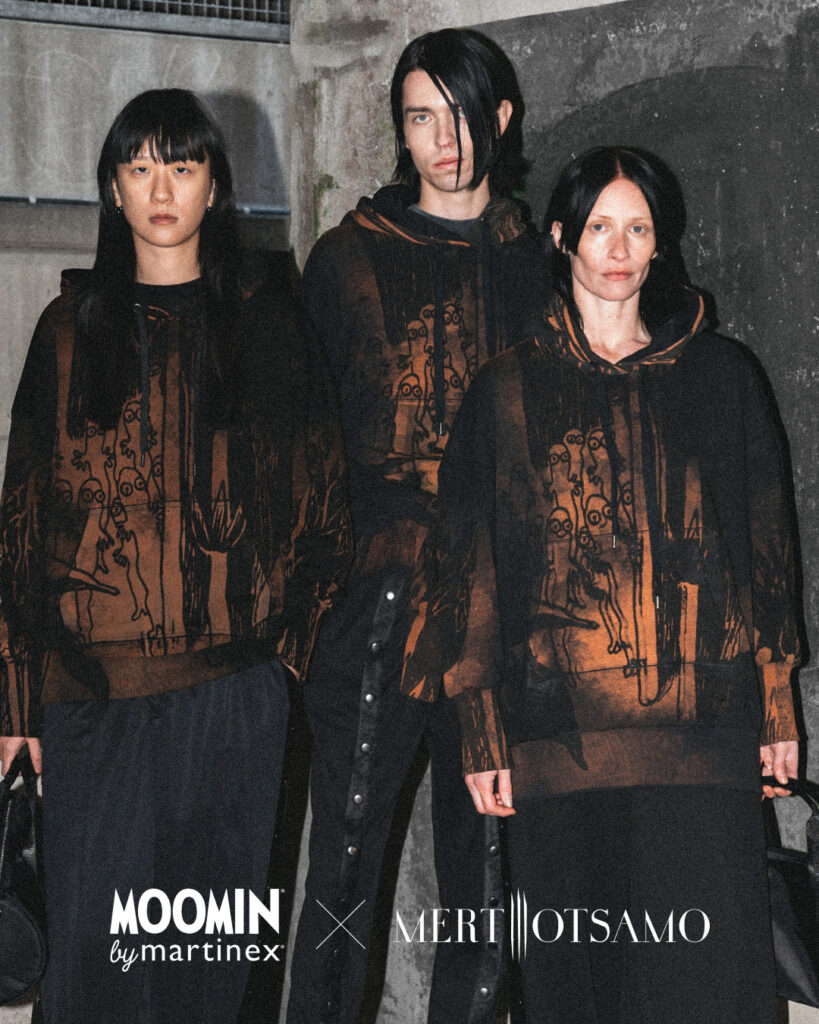
Mert Otsamo designed a clothing collection featuring Moomin characters. Photo: Moomin by Martinex – Mert Otsamo
What advice would you give for creating an illustration-driven brand and licensing business?
“For decades, Tove focused solely on work. So first, you create something absolutely extraordinary, unique and visionary. Only then you start building success.
Internationalisation can be a long and arduous road. What looks like a huge success is rarely what it seems. That’s something to keep in mind. Only in the last three years have we started to see some movement in the US markets, for example, after 70 years of nothing. The challenging nature of internationalisation is also apparent among our younger colleagues.
One terrible business model is to try to replicate whatever the market leader is doing. It’s vital that you keep doing what you yourself have decided to do. At the moment, the idea of AI is messing with people’s heads; good content and art doesn’t come quickly. The road is long and winding.”
Tove Jansson’s Moomins have made Finnish illustration known around the world. What is your perception of the current state of illustration?
“When you do things properly, good things will follow. We’ve noticed at Förlaget publishing house what an extraordinary generation is currently producing our children’s literature. They include both highly successful children’s authors and internationally renowned illustrators. At least on the Finnish-Swedish side – which our publishing house represents – the situation is quite good.”
Parvati Pillai
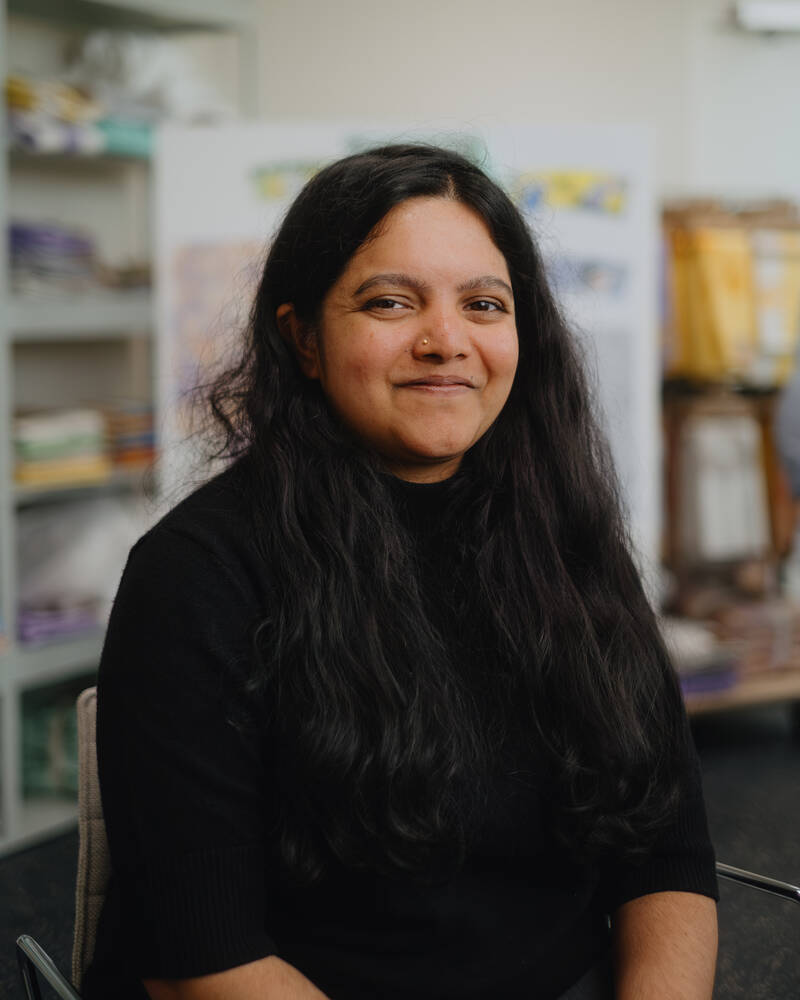
Moomin mug illustrator, Moomin Arabia
Photo: Juho Länsiharju
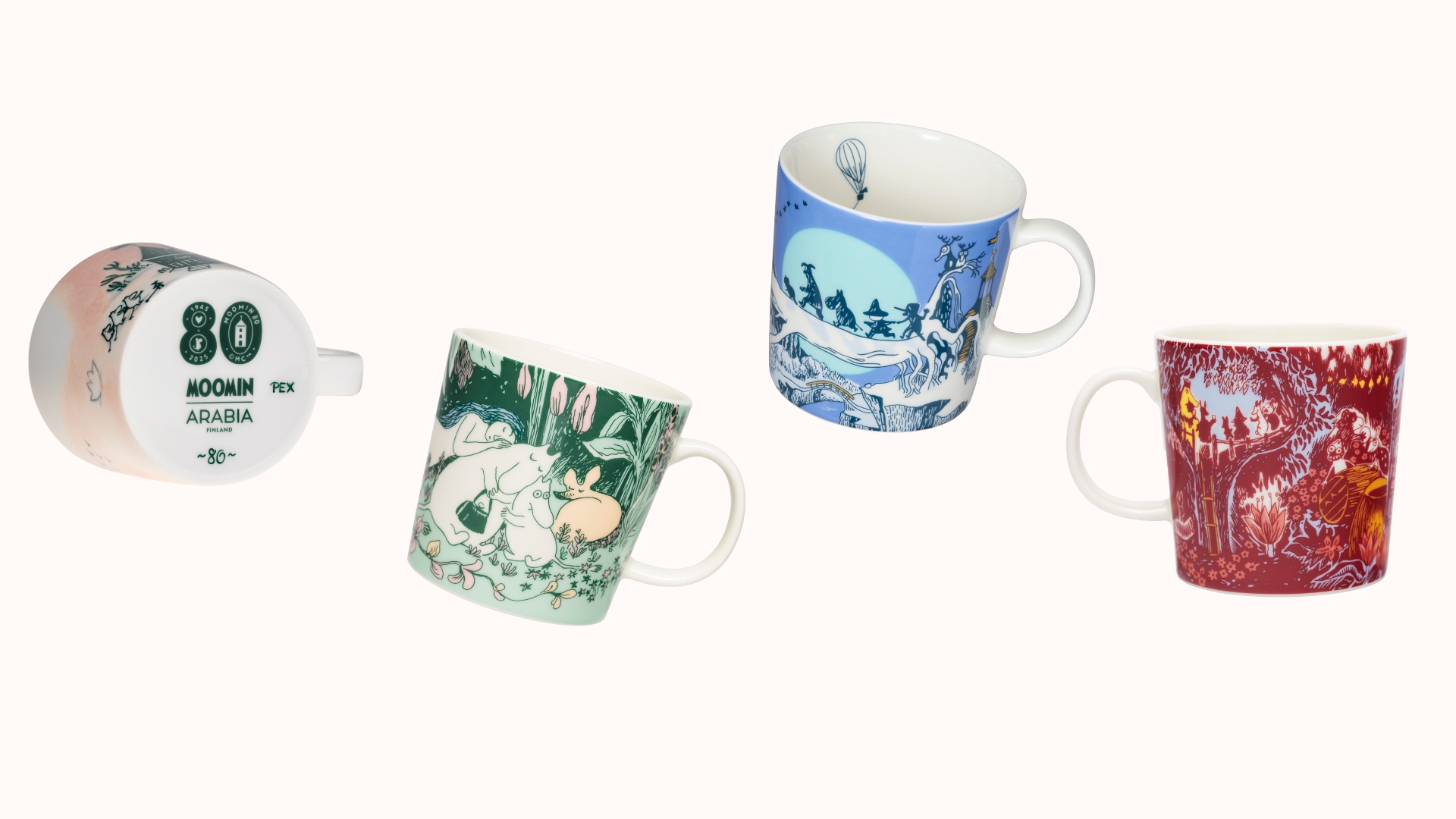
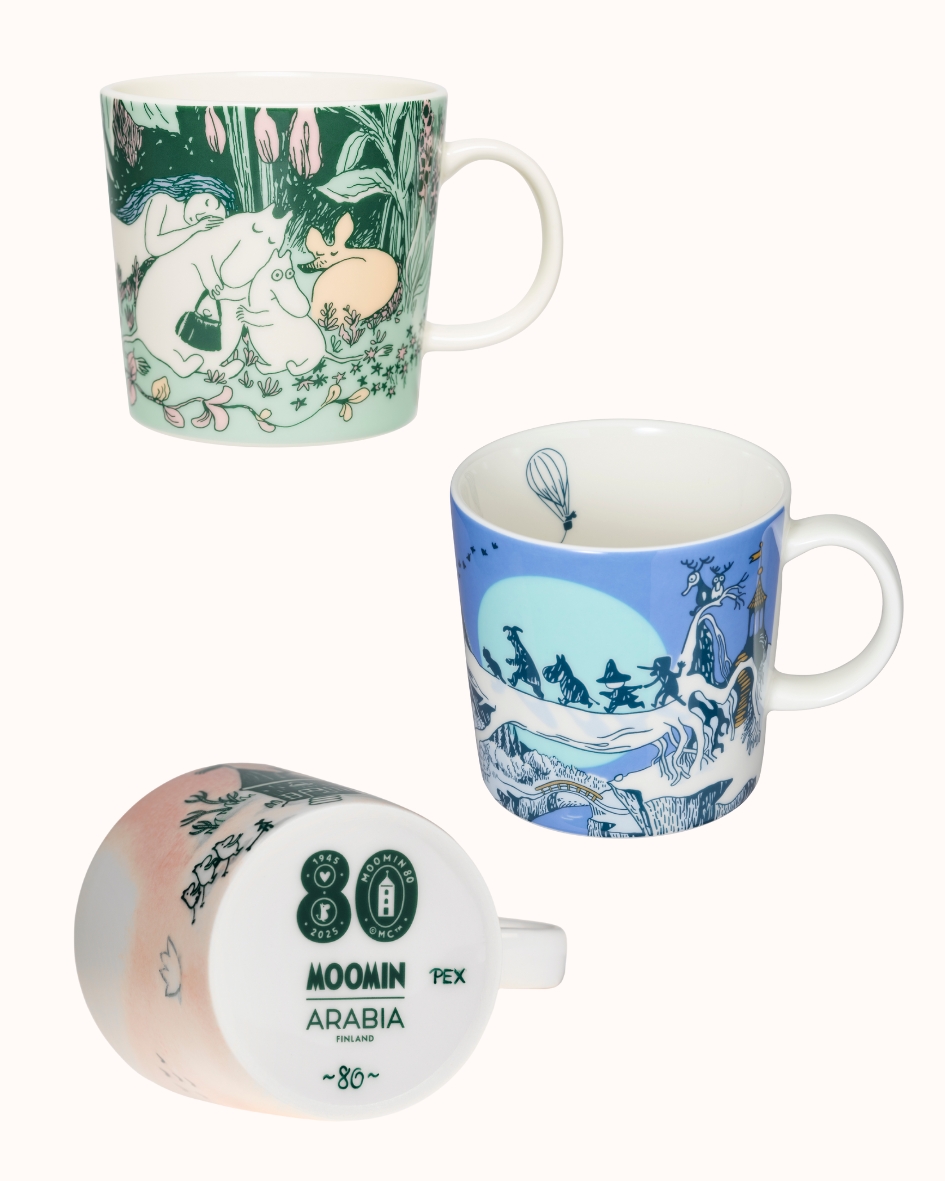
“All Moomin mug illustrations are based on original works by Tove Jansson. Her drawings form a fundamental part of the brand’s heritage, and we consider it a priority to stay true to both the visual language and the spirit of storytelling in her work. This commitment is also why we sometimes have to kindly decline client requests regarding certain characters – especially those featured in later adaptations, such as animations – that aren’t part of Tove Jansson’s original Moominvalley universe.
I work as part of a multidisciplinary design team, led by our Head of Design & Creative Annika Tickle. Our team also includes print designer Suvi Järvelin, product designer Anna Hyvönen and illustrator Miia Puustinen. Annika typically creates the design brief and provides the initial creative direction for each collection.
As we expand into new product categories, collaboration has become more important than ever. We work closely together as a team. We combine mood boards, product ideas and the overall visual narrative to ensure a coherent look and feel across the collection.
I spend a lot of time reading Moomin books and comics as well as studying the lines, compositions and subtle storytelling techniques found in them.
My design process always begins with the original material. I spend a lot of time reading Moomin books and comics as well as studying the lines, compositions and subtle storytelling techniques found in them. Every time I revisit these works, I discover something new – whether it’s a nuanced look, an ingenious visual structure or an element hidden between comic panels.
As an illustrator, I’m particularly inspired by Tove Jansson’s exploration of different techniques and artistic styles. Her works embody creative freedom and playfulness, which constantly inspire me and guide my own artistic approach!”
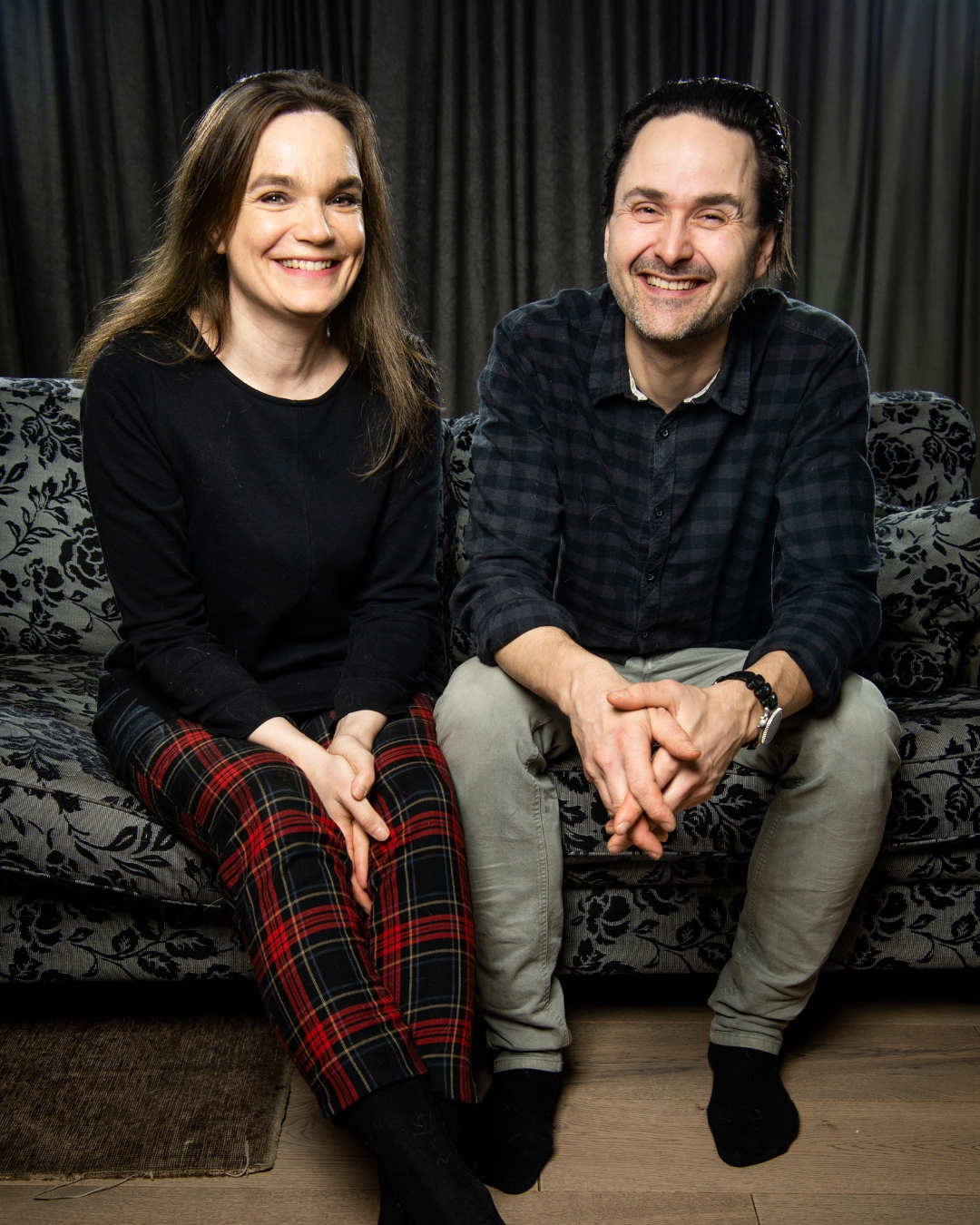
Riina ja Sami Kaarla
Moomin book illustrators, Tammi
Photo: Veikko Somerpuro / Tammi
”In 2007, we were visiting a publishing house to discuss our own book when a busy-looking woman burst in.
“You wouldn’t know how to draw Moomins, would you?” she asked.
“Of course I do, I’m a second Tove Jansson”, laughed Riina.
She went on to explain how, in the entrance exam to the University of Art and Design Helsinki, her lines had been described tove-ish. At the time, it felt mostly annoying.
The publishing house asked for sketches, and they also wanted a draft idea for a children’s book. That marked the beginning of the Moomin-themed flap book series, which now comprises dozens of books.
The world depicted in the Moomin books is complete as it is, and nothing new should be added. Tove’s novels and comics are an almost endless source of inspiration when it comes to planning books, and a new book idea can spring from a single picture or comic strip.
The publishing house asked for sketches, and they also wanted a draft idea for a children’s book. That marked the beginning of the Moomin-themed flap book series.
Once an idea has taken shape, we start planning the book’s story arc, which tends to be fairly classic especially in books for young children. It’s vital that the story has a happy ending. At this stage, changes are typically made to the text to ensure that the book works rhythmically.
Once the rough draft is complete, we start looking at the illustrations for each spread, which depict the story’s turning points. Variations in image size, cropping and activeness create visual richness and build a cohesive whole.
The editor then comments on the book draft and once the story is approved, we start working on the final illustrations, which we colour on the computer and then place in the layout. We’ve always created our books ourselves, from the initial design through to the printing stage.
We’ve been doing creative work together for so long that our minds and styles have fused into one. Our work is routinised and symbiotic, and we work through all the steps together.
We’re honoured to continue Tove’s legacy and create new books that depict stories from the imaginative and distinctive world she created. We always say that we work with Tove as we want to show her respect and think that she’d be happy with our work.”