
Anna Mur
Hi, my name is Anna Mur (she/her) and I'm a freelance illustrator, animator, and graphic designer based in Helsinki.
I create impactful visuals for education, health, environment, sustainability, and social issues. I feel strongly about biodiversity, climate change, womens’, minorities’ and queer rights. For me, there's nothing more rewarding than using my creativity to make a positive difference in the world.
When it comes to working together, I believe in building strong and collaborative relationships with my clients. I like to get to know their vision, understand their needs, and offer creative solutions that meet their goals.
My schedule is flexible, and I'm always open to new opportunities. When I'm not working on projects, I enjoy spending time with my cat and daughter, practising yoga, and contemporary dance.
If you have any questions or would like to discuss a potential collaboration, please don't hesitate to contact me!
I specialise in working in a graphic style with great attention to detail. I focus on crafting visuals that drive positive impact in education, sustainability, and social change. I enjoy working with big teams and translating complex concepts into beautiful visuals. I'm proficient in Adobe Creative Suite, Procreate, as well as hand drawing. I love creating fun characters and worlds around them.
Economy & Society Magazine, Kone Foundation, Oh Mag UK, University of Helsinki, Natural Resources Institute Finland, Scope Impact and Finnish Nature Magazine are some of the fantastic organisations I've had the opportunity to work with lately.
My leadership skills and ability to manage complex projects were developed during my time as Lead Designer at Aalto University, where I oversaw the university's visual communication and played a key role in the brand refresh process. I've also worked as an AD for the Finnish Ministry of the Environment's publication and have experience in agency life.
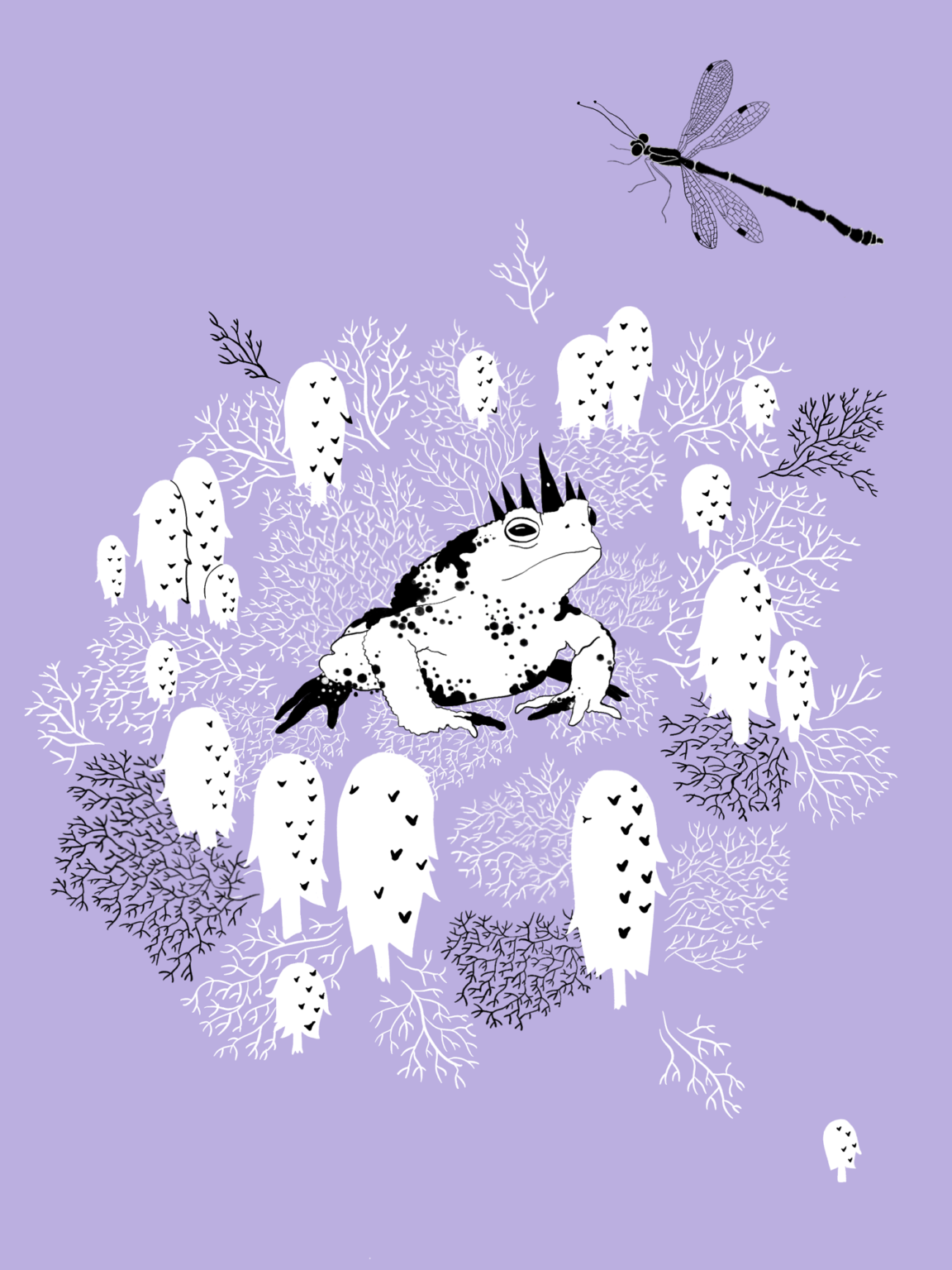
Editorial illustration / Oh Mag UK
Editorial illustration for Oh Mag UK for the article ”Wild Magic”.
Why have people been drawn to witchcraft recently? Is it about a desire to work with nature, the need to reconnect mindfully with ourselves in an age of Zoom fatigue, or a way of taking control in our lives when everything seems so uncertain?
I wanted to keep the illustrations on the fence between normal and magic worlds — to avoid the traditional witchy aesthetics and show a more contemporary relationship to ritual and magic.
Editorial illustration / Oh Mag UK
Click to see more about the project.

Editorial illustration / Oh Mag UK
Editorial illustration for Oh Mag UK for the article ”Wild Magic”.
Why have people been drawn to witchcraft recently? Is it about a desire to work with nature, the need to reconnect mindfully with ourselves in an age of Zoom fatigue, or a way of taking control in our lives when everything seems so uncertain?
I wanted to keep the illustrations on the fence between normal and magic worlds — to avoid the traditional witchy aesthetics and show a more contemporary relationship to ritual and magic.

Editorial illustration / Oh Mag UK
Editorial illustration for Oh Mag UK for the article ”Wild Magic”.
Why have people been drawn to witchcraft recently? Is it about a desire to work with nature, the need to reconnect mindfully with ourselves in an age of Zoom fatigue, or a way of taking control in our lives when everything seems so uncertain?
I wanted to keep the illustrations on the fence between normal and magic worlds — to avoid the traditional witchy aesthetics and show a more contemporary relationship to ritual and magic.
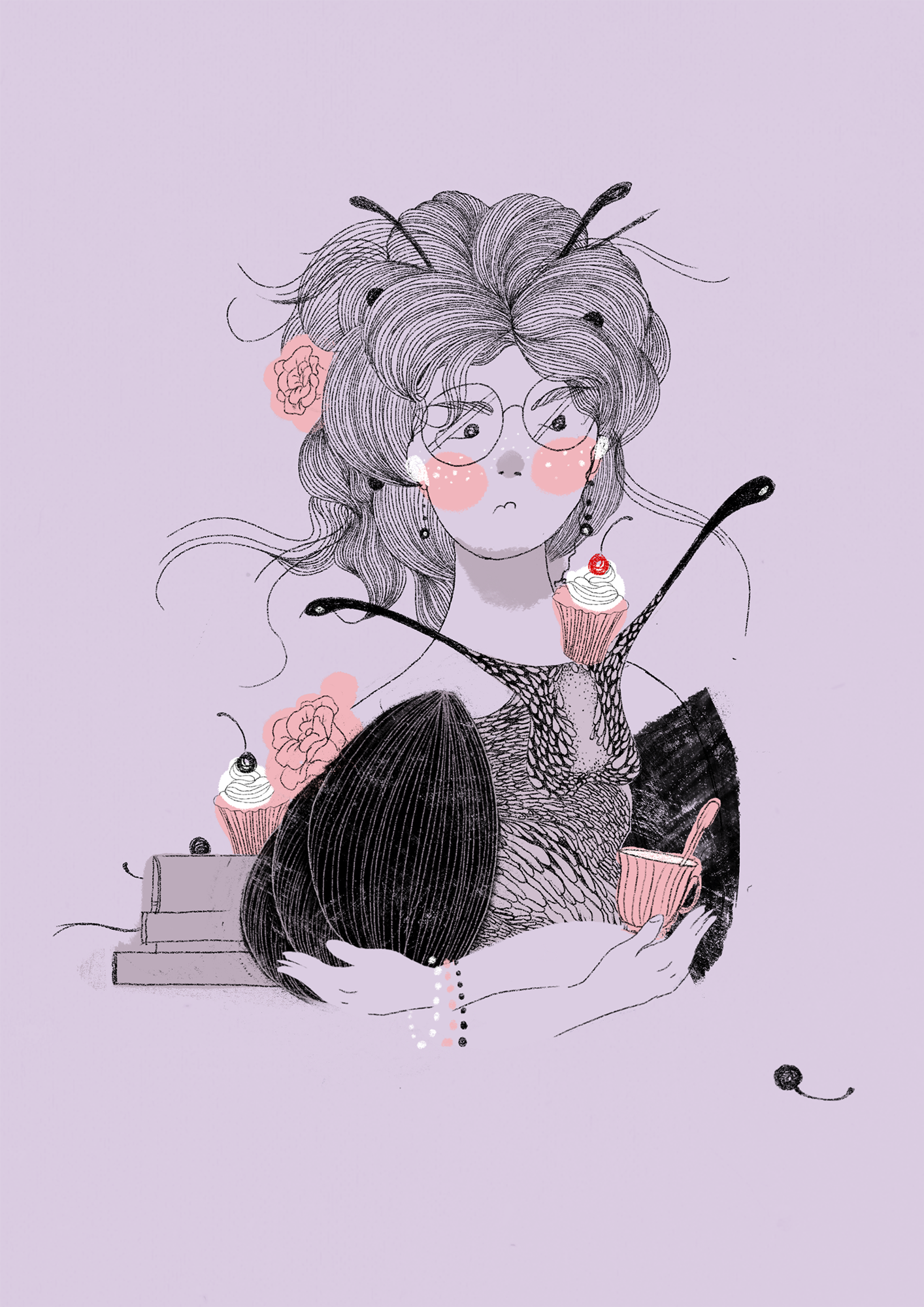
Snails and other weirdos / personal work
Snails and other weirdos / personal work
Click to see more about the project.
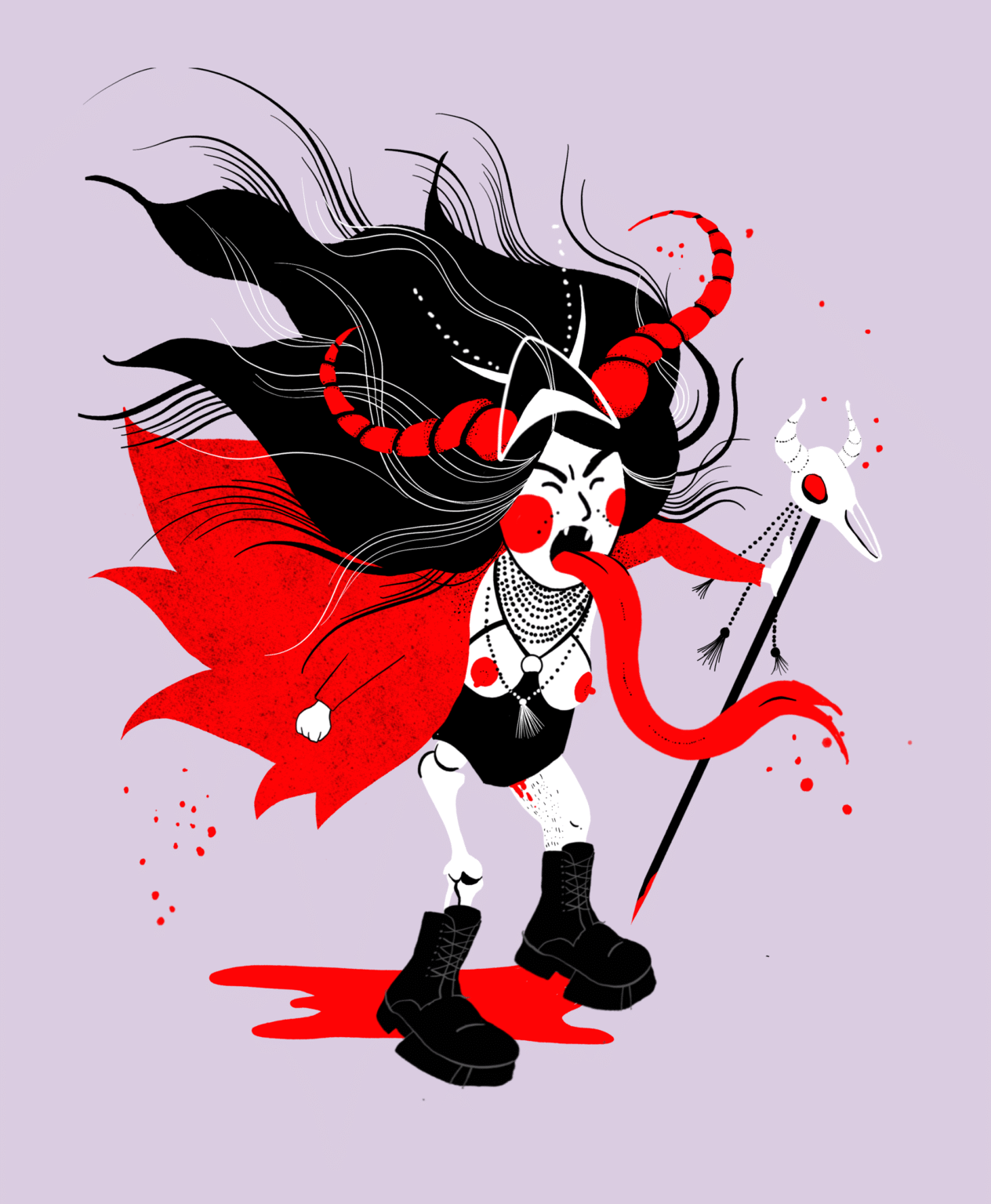
Snails and other weirdos / personal work
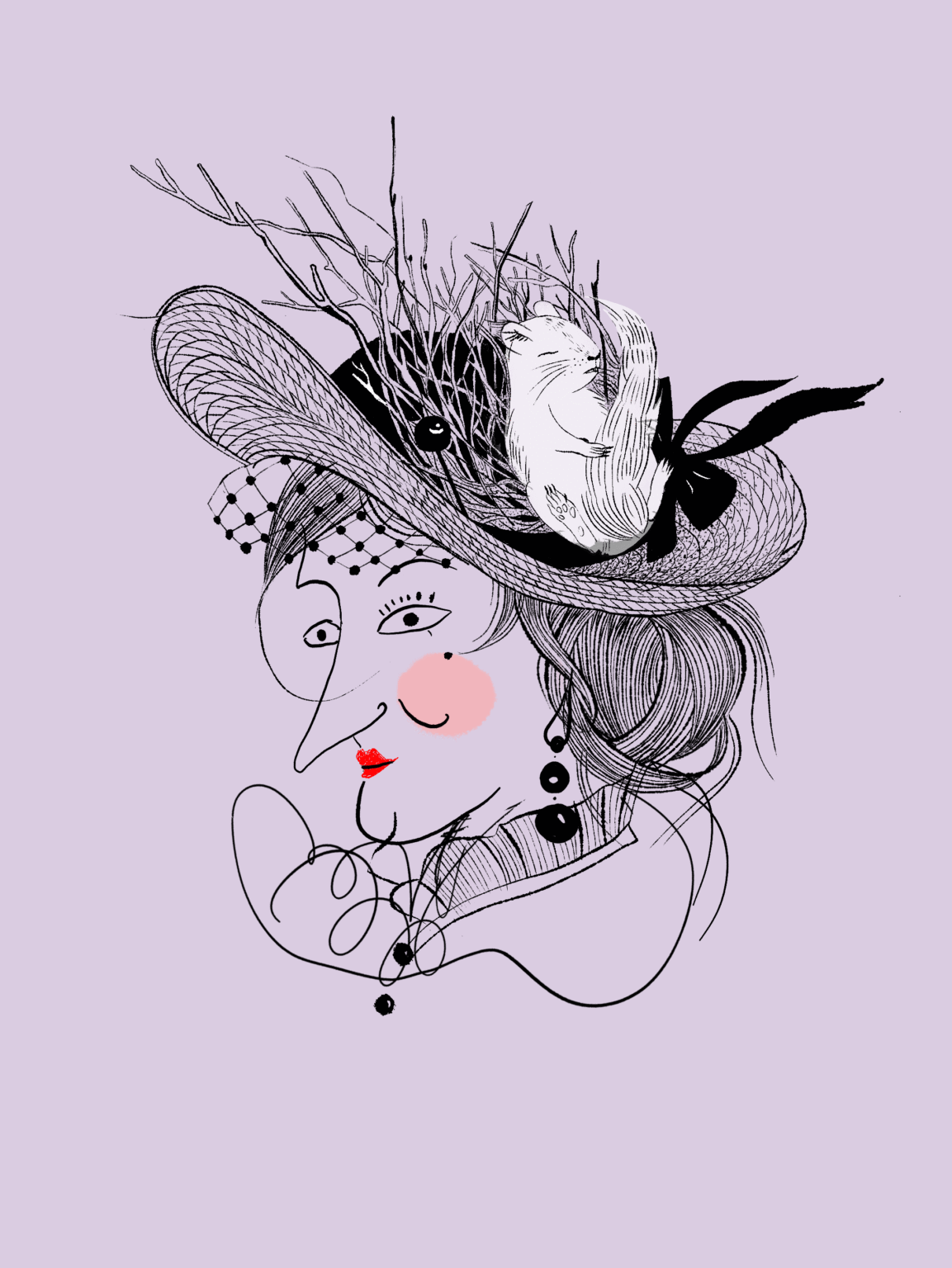
Snails and other weirdos / personal work
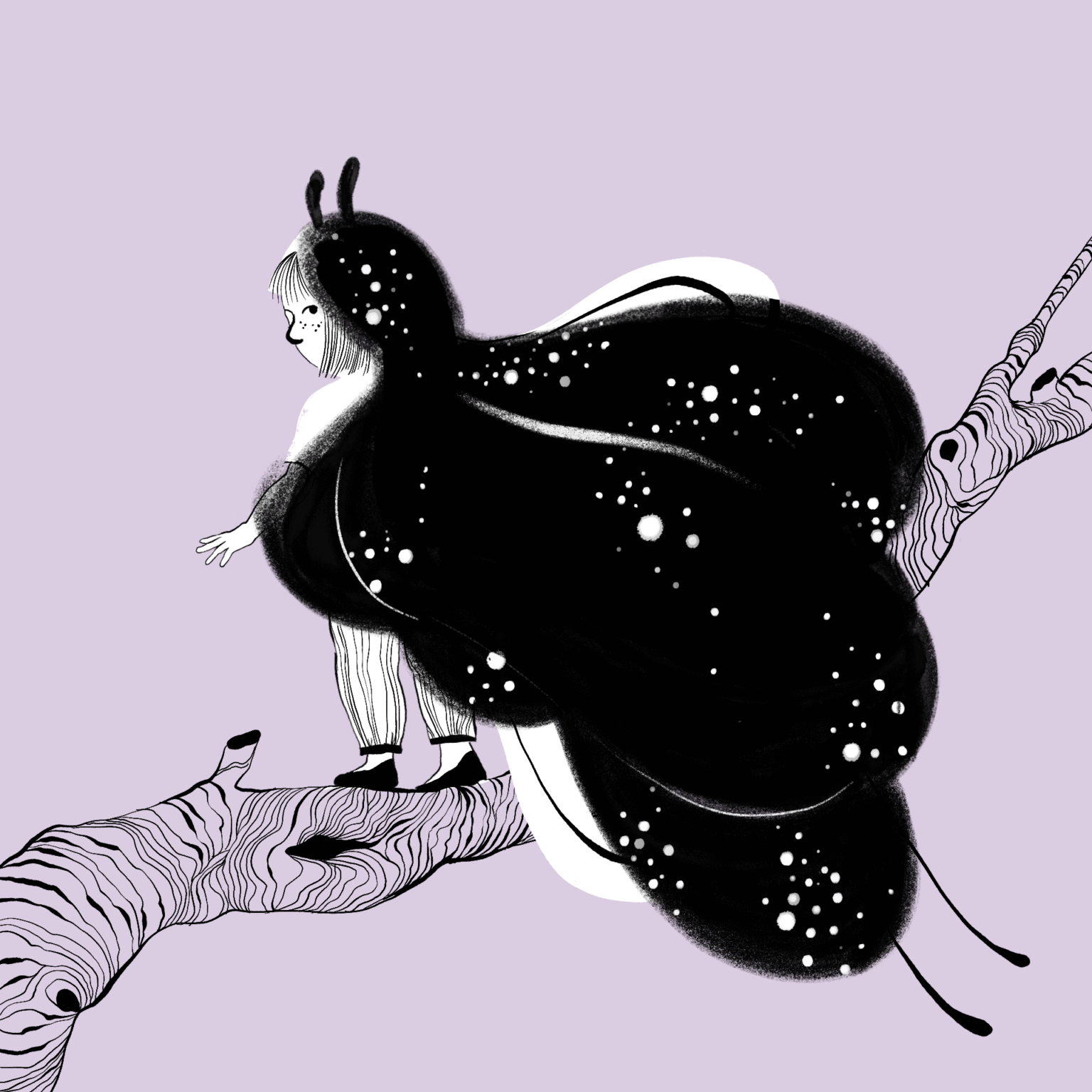
Snails and other weirdos / personal work
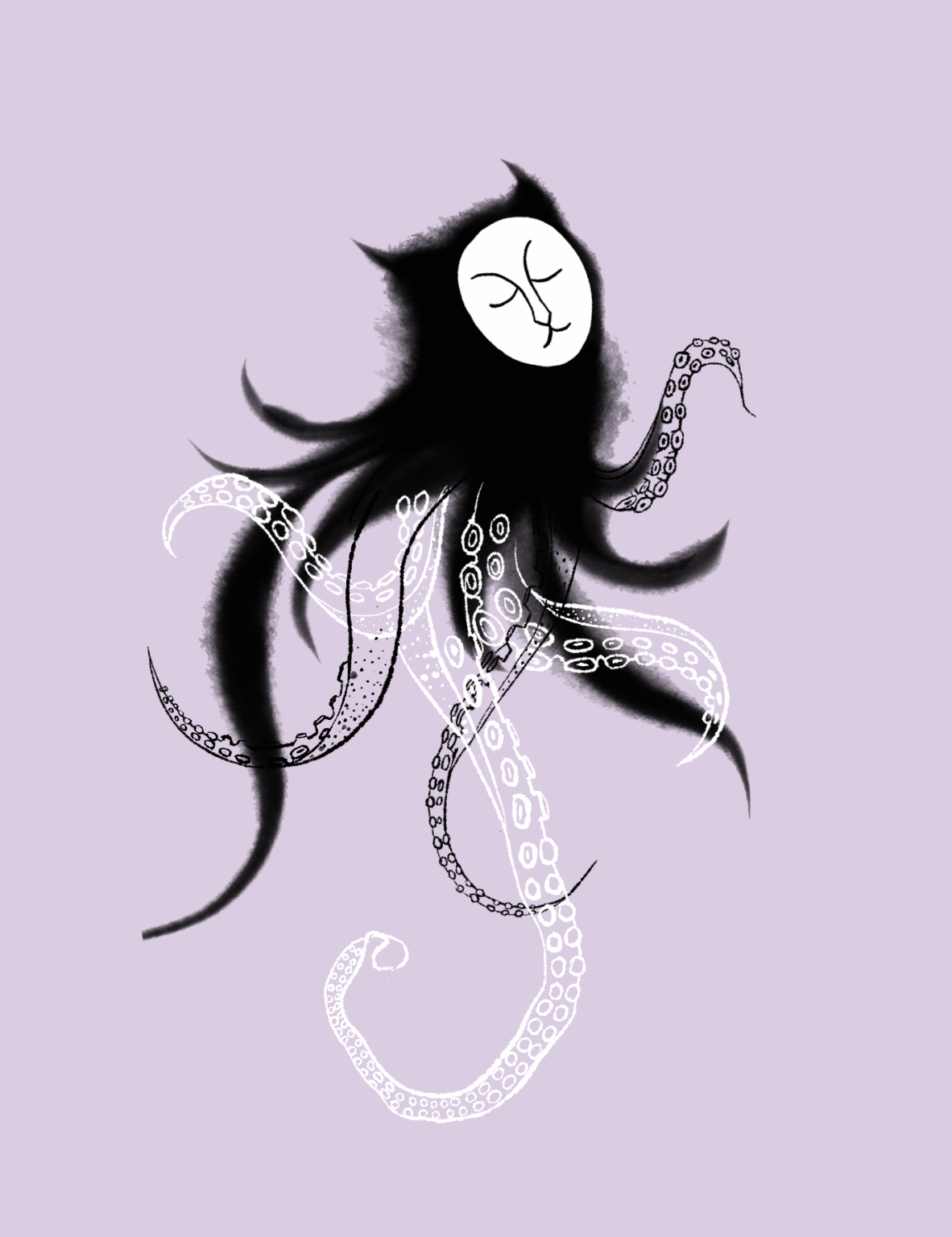
Snails and other weirdos / personal work
Educational animation Blueberry Cafe / Natural Resources Institute Finland
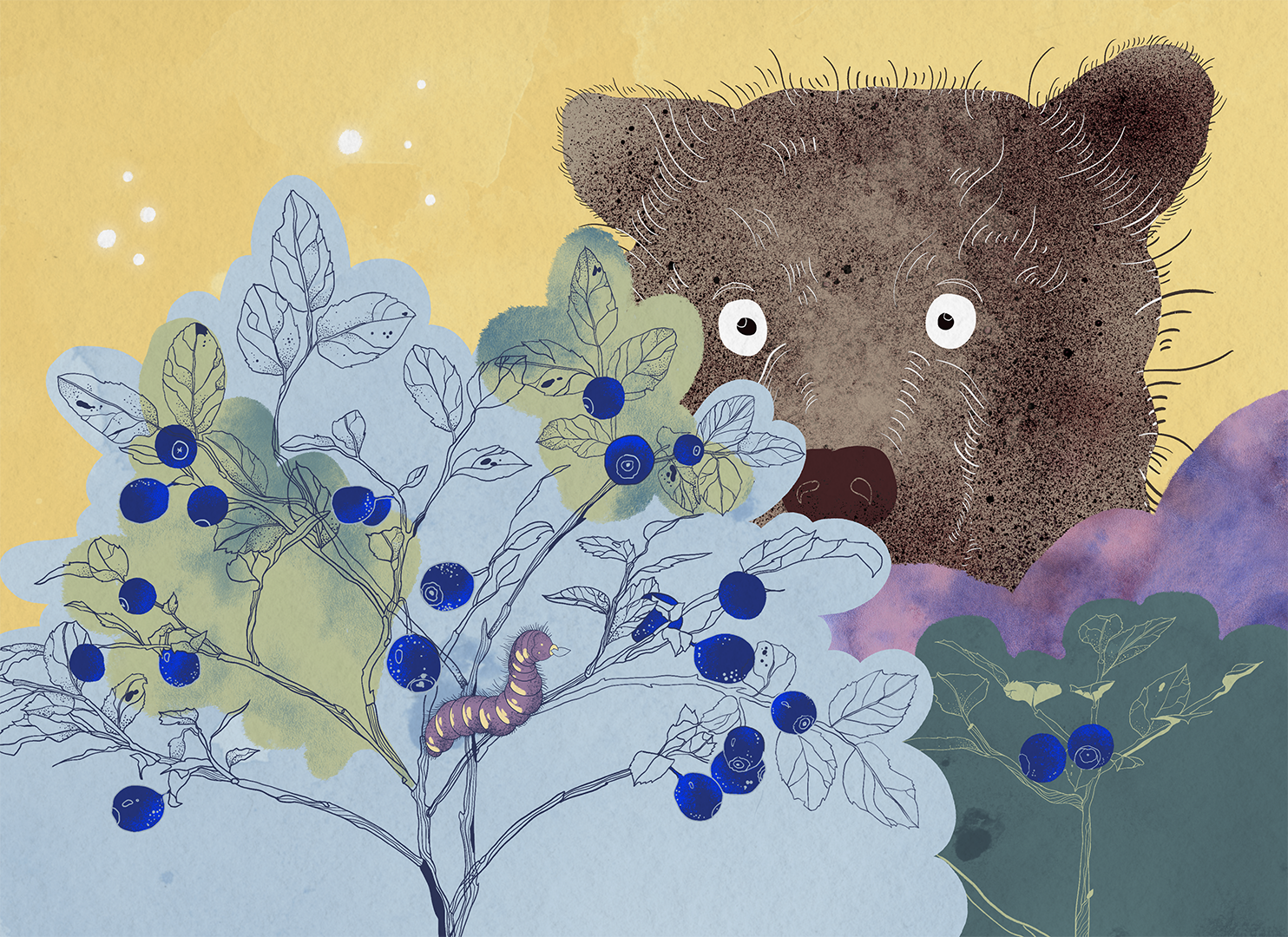
The animation provides children with a wealth of information about blueberries in delicious form. In addition to increasing blueberry awareness, the animation aspires to inspire children, and why not parents, to take an interest in nearby nature and forests.
Educational animation Blueberry Cafe / Natural Resources Institute Finland
Click to see more about the project.
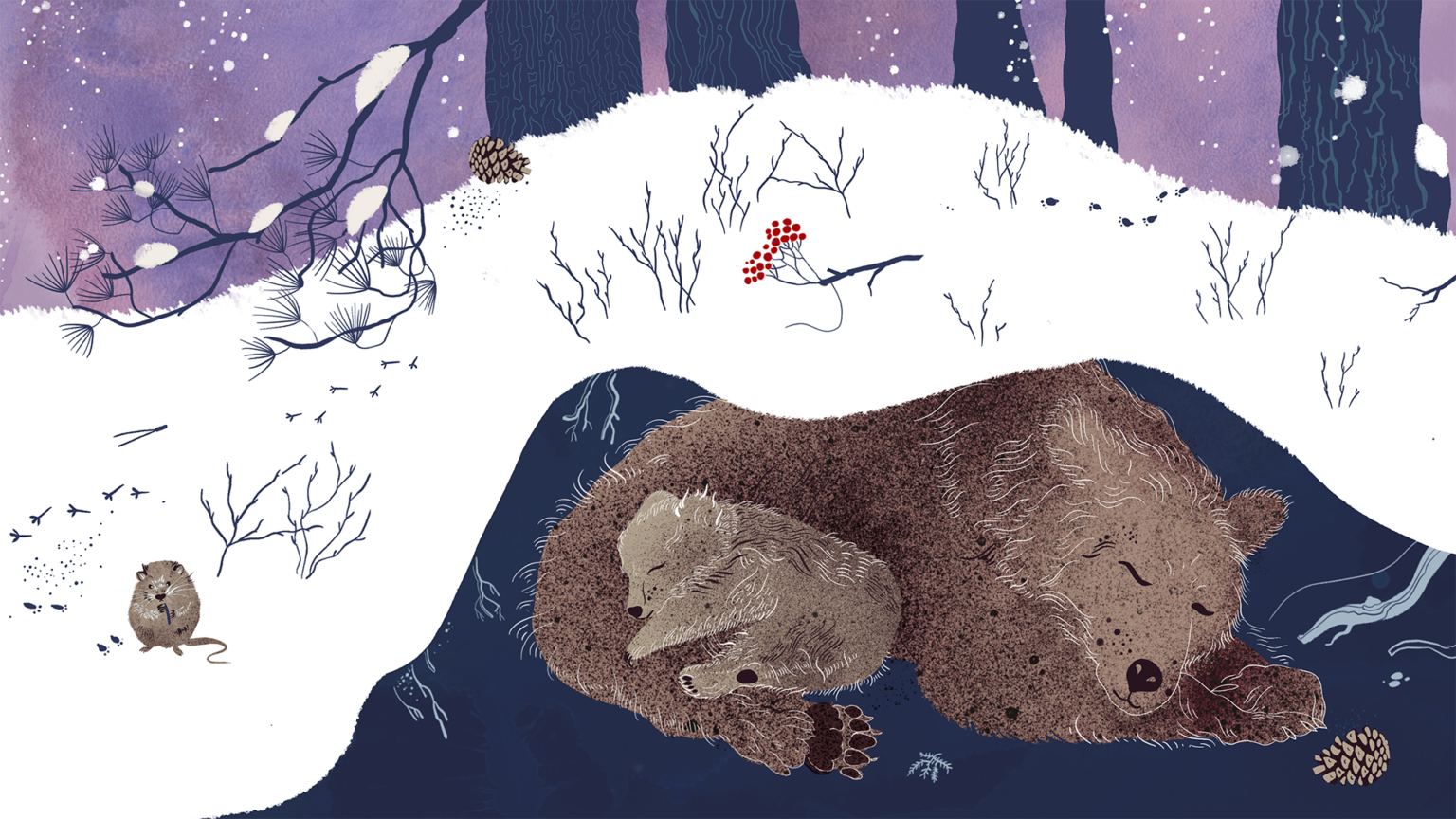
Educational animation Blueberry Cafe / Natural Resources Institute Finland
The animation provides children with a wealth of information about blueberries in delicious form. In addition to increasing blueberry awareness, the animation aspires to inspire children, and why not parents, to take an interest in nearby nature and forests.
Educational animation Blueberry Cafe / Natural Resources Institute Finland
The animation provides children with a wealth of information about blueberries in delicious form. In addition to increasing blueberry awareness, the animation aspires to inspire children, and why not parents, to take an interest in nearby nature and forests.
Educational animation Blueberry Cafe / Natural Resources Institute Finland
The animation provides children with a wealth of information about blueberries in delicious form. In addition to increasing blueberry awareness, the animation aspires to inspire children, and why not parents, to take an interest in nearby nature and forests.
Burn Ecocide / Pixelache Helsinki Festival
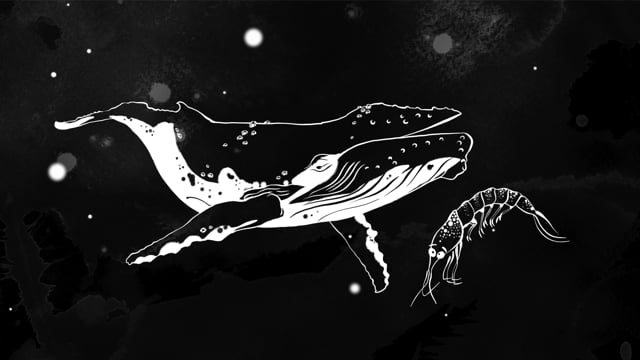
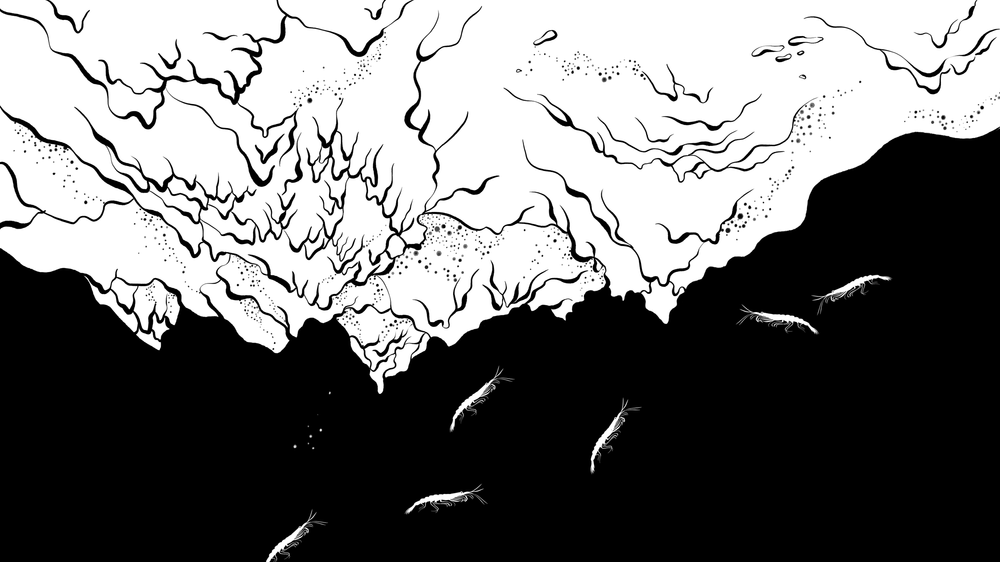
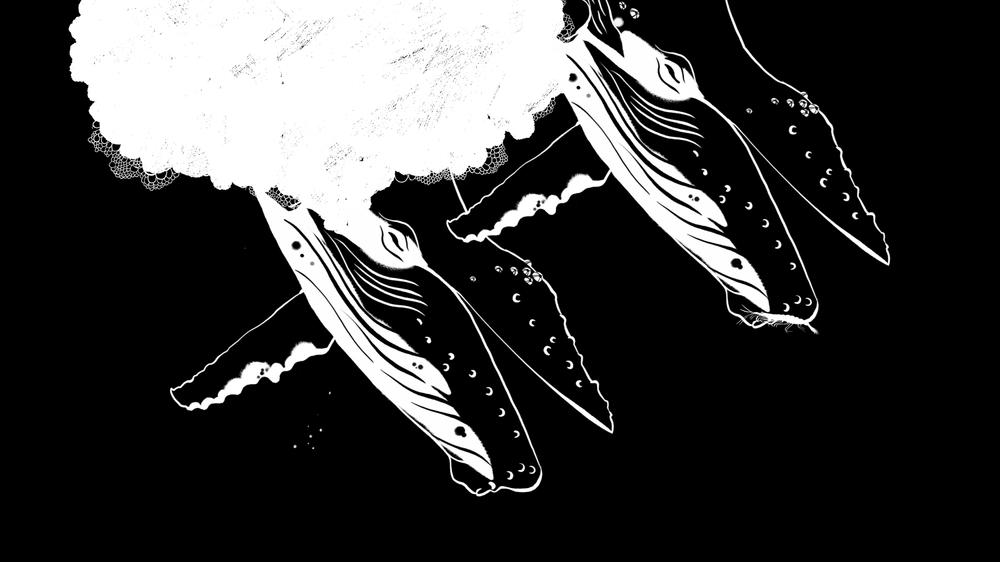
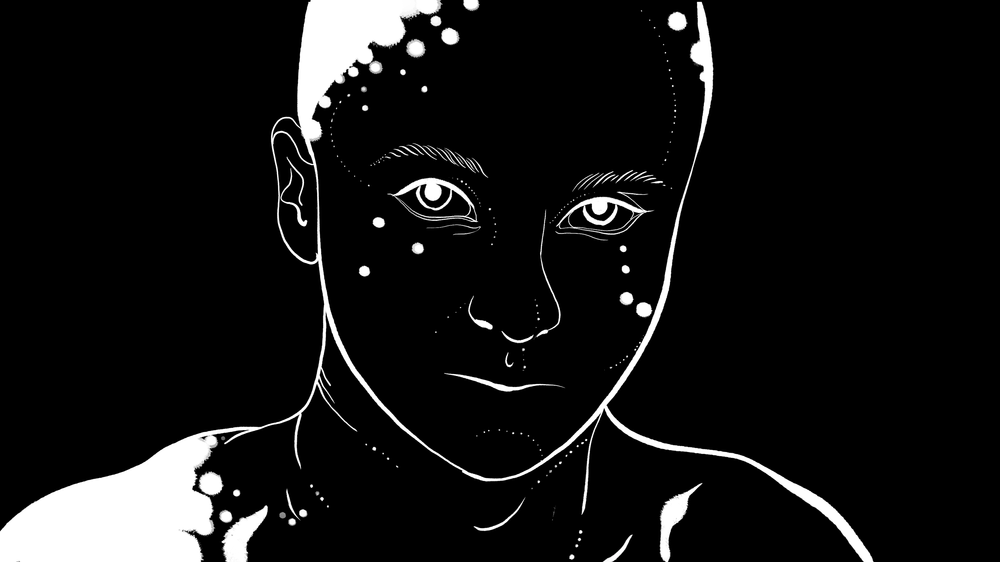
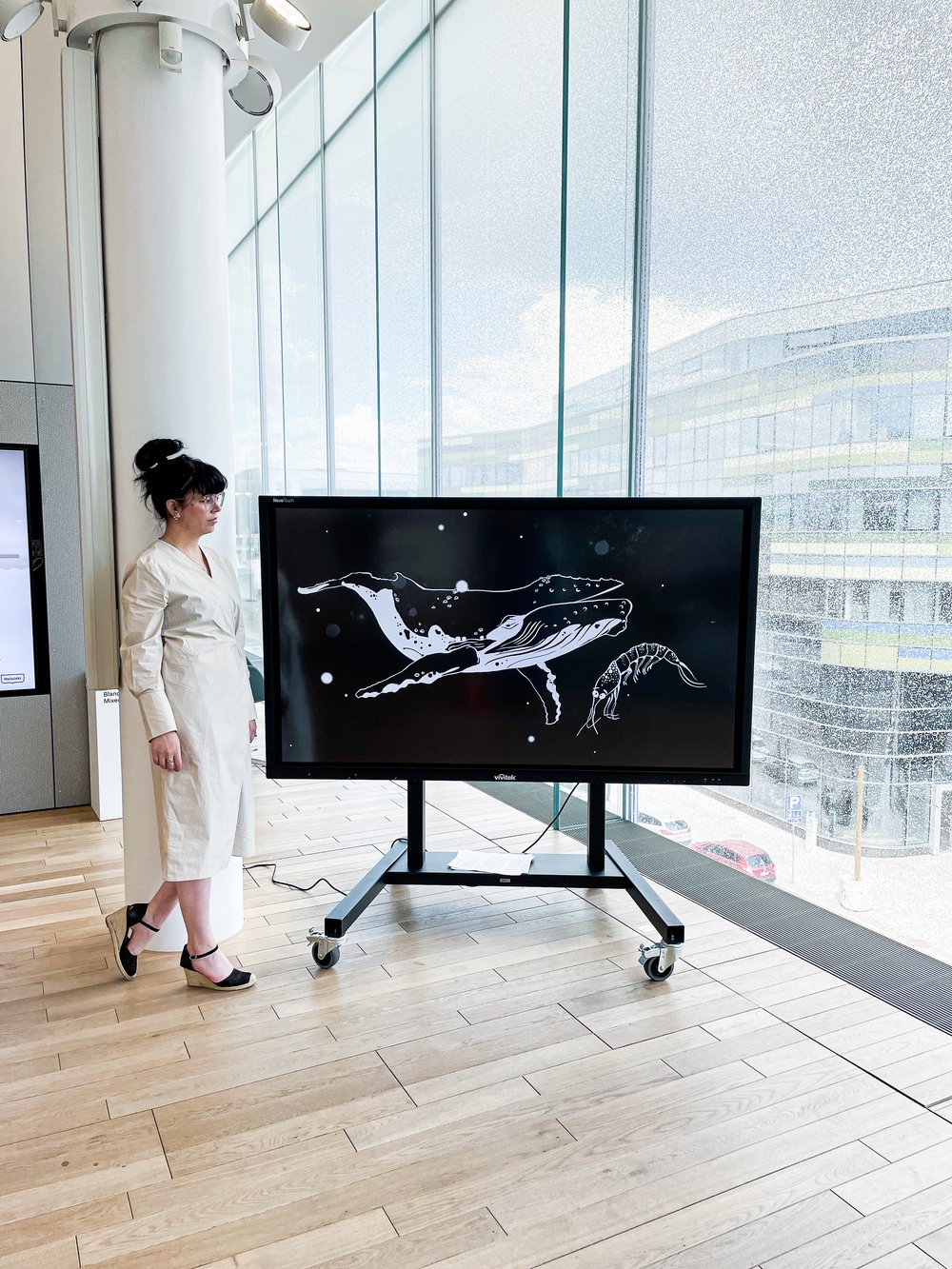
“Ecocide is human activity that violates the principles of environmental justice, as by substantially damaging or destroying ecosystems or by harming the health and well-being of a species.” The artwork talks about the high sea’s ice melting due to global warming and its impact. The ice is the home of ice algae, the main food source of the Antarctic krill. Antarctic krill, in its turn, is the main food source for the Humpback whales. Whales fertilise phytoplankton growth by bringing nutrients to the ocean surface. Phytoplankton are responsible for capturing 40 percent of all CO2 produced and are responsible for at least 50 percent of all oxygen on earth. The whole delicate balance is disturbed, and it’s time to recognise that healthy ecosystems are vital for healthy humankind.
Burn Ecocide / Pixelache Helsinki Festival
Click to see more about the project.
Burn Ecocide / Pixelache Helsinki Festival
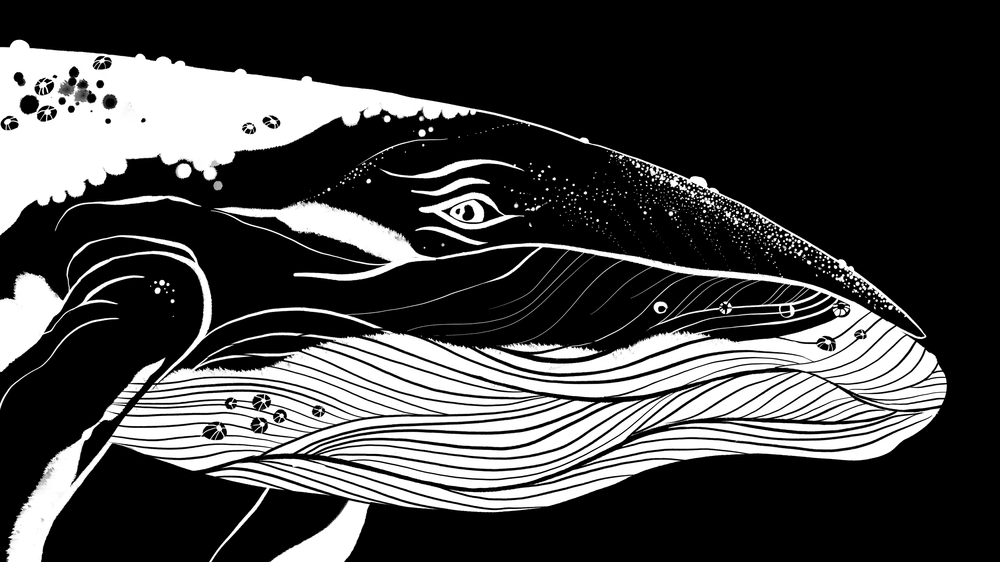
“Ecocide is human activity that violates the principles of environmental justice, as by substantially damaging or destroying ecosystems or by harming the health and well-being of a species.” The artwork talks about the high sea’s ice melting due to global warming and its impact. The ice is the home of ice algae, the main food source of the Antarctic krill. Antarctic krill, in its turn, is the main food source for the Humpback whales. Whales fertilise phytoplankton growth by bringing nutrients to the ocean surface. Phytoplankton are responsible for capturing 40 percent of all CO2 produced and are responsible for at least 50 percent of all oxygen on earth. The whole delicate balance is disturbed, and it’s time to recognise that healthy ecosystems are vital for healthy humankind.
Burn Ecocide / Pixelache Helsinki Festival
“Ecocide is human activity that violates the principles of environmental justice, as by substantially damaging or destroying ecosystems or by harming the health and well-being of a species.” The artwork talks about the high sea’s ice melting due to global warming and its impact. The ice is the home of ice algae, the main food source of the Antarctic krill. Antarctic krill, in its turn, is the main food source for the Humpback whales. Whales fertilise phytoplankton growth by bringing nutrients to the ocean surface. Phytoplankton are responsible for capturing 40 percent of all CO2 produced and are responsible for at least 50 percent of all oxygen on earth. The whole delicate balance is disturbed, and it’s time to recognise that healthy ecosystems are vital for healthy humankind.
Burn Ecocide / Pixelache Helsinki Festival
“Ecocide is human activity that violates the principles of environmental justice, as by substantially damaging or destroying ecosystems or by harming the health and well-being of a species.” The artwork talks about the high sea’s ice melting due to global warming and its impact. The ice is the home of ice algae, the main food source of the Antarctic krill. Antarctic krill, in its turn, is the main food source for the Humpback whales. Whales fertilise phytoplankton growth by bringing nutrients to the ocean surface. Phytoplankton are responsible for capturing 40 percent of all CO2 produced and are responsible for at least 50 percent of all oxygen on earth. The whole delicate balance is disturbed, and it’s time to recognise that healthy ecosystems are vital for healthy humankind.
Burn Ecocide / Pixelache Helsinki Festival
“Ecocide is human activity that violates the principles of environmental justice, as by substantially damaging or destroying ecosystems or by harming the health and well-being of a species.” The artwork talks about the high sea’s ice melting due to global warming and its impact. The ice is the home of ice algae, the main food source of the Antarctic krill. Antarctic krill, in its turn, is the main food source for the Humpback whales. Whales fertilise phytoplankton growth by bringing nutrients to the ocean surface. Phytoplankton are responsible for capturing 40 percent of all CO2 produced and are responsible for at least 50 percent of all oxygen on earth. The whole delicate balance is disturbed, and it’s time to recognise that healthy ecosystems are vital for healthy humankind.
Burn Ecocide / Pixelache Helsinki Festival
“Ecocide is human activity that violates the principles of environmental justice, as by substantially damaging or destroying ecosystems or by harming the health and well-being of a species.” The artwork talks about the high sea’s ice melting due to global warming and its impact. The ice is the home of ice algae, the main food source of the Antarctic krill. Antarctic krill, in its turn, is the main food source for the Humpback whales. Whales fertilise phytoplankton growth by bringing nutrients to the ocean surface. Phytoplankton are responsible for capturing 40 percent of all CO2 produced and are responsible for at least 50 percent of all oxygen on earth. The whole delicate balance is disturbed, and it’s time to recognise that healthy ecosystems are vital for healthy humankind.
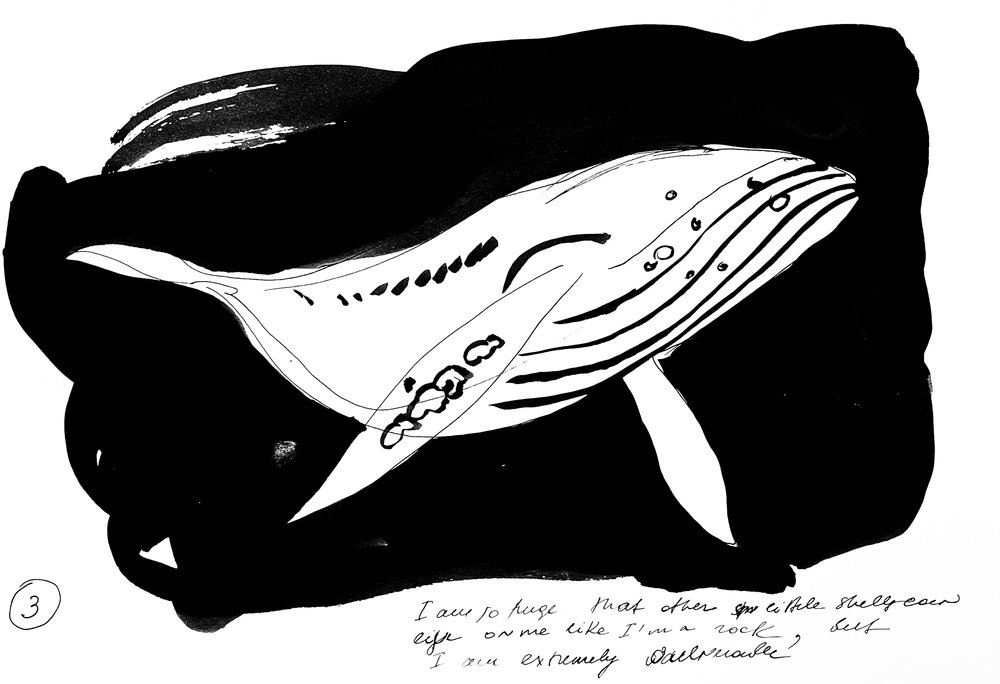
Burn Ecocide / Pixelache Helsinki Festival
“Ecocide is human activity that violates the principles of environmental justice, as by substantially damaging or destroying ecosystems or by harming the health and well-being of a species.” The artwork talks about the high sea’s ice melting due to global warming and its impact. The ice is the home of ice algae, the main food source of the Antarctic krill. Antarctic krill, in its turn, is the main food source for the Humpback whales. Whales fertilise phytoplankton growth by bringing nutrients to the ocean surface. Phytoplankton are responsible for capturing 40 percent of all CO2 produced and are responsible for at least 50 percent of all oxygen on earth. The whole delicate balance is disturbed, and it’s time to recognise that healthy ecosystems are vital for healthy humankind.
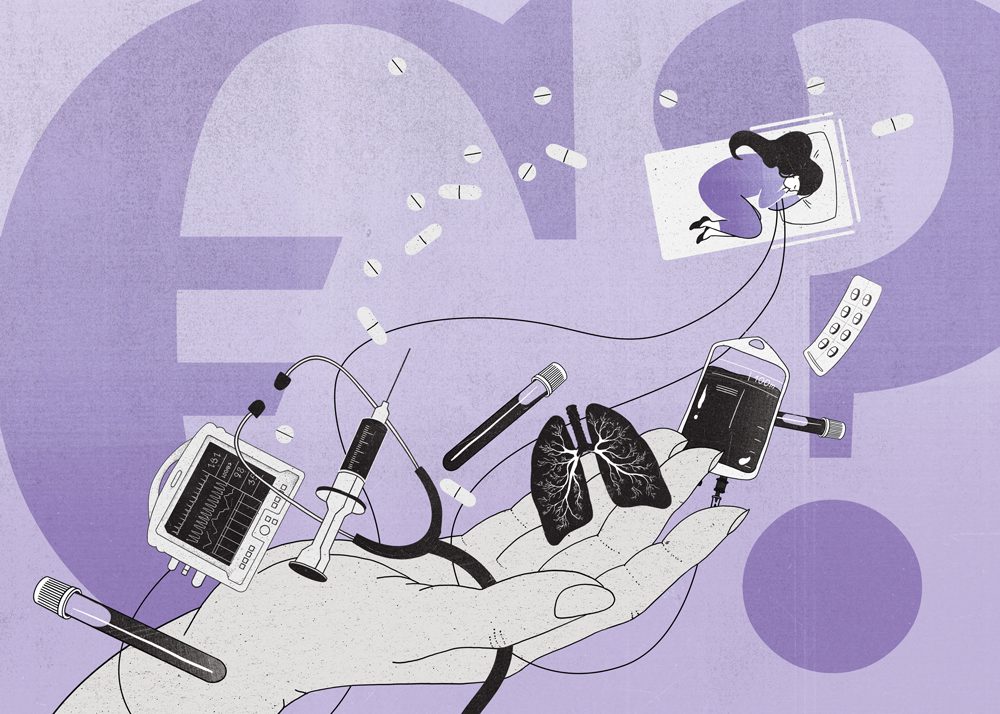
Who can we afford to care for—and at what cost? client: The Economy and Society magazine | date: 2024 | service: editorial illustration
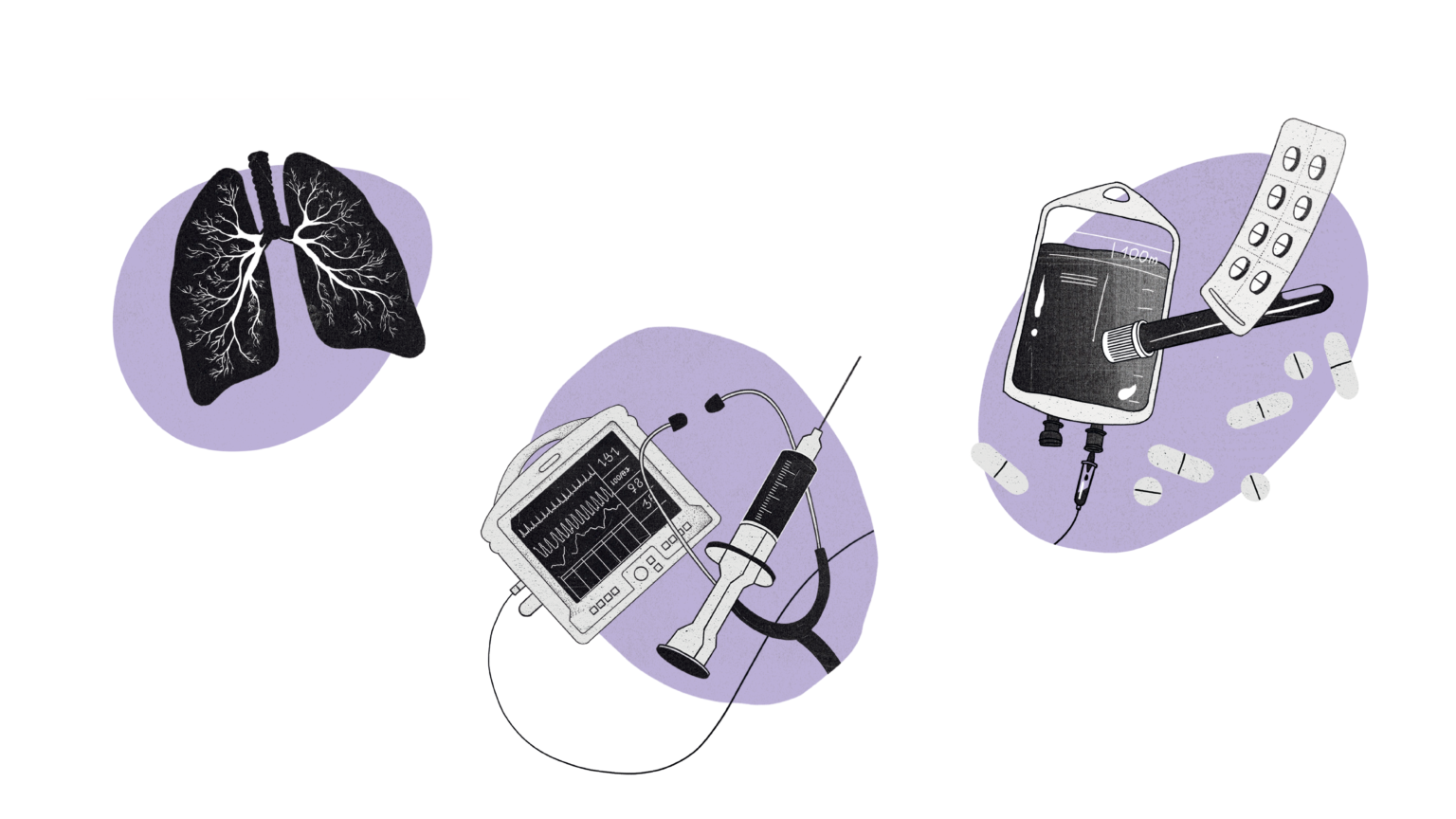
Cover and full-spread illustrations for The Economy and Society magazine.The article examines the societal cost of extended healthcare. How do we decide the budget allocations, how can we measure a cost of a healthy life?
The illustration aims to visualise the complex relationship between healthcare costs, society at large and an individual person. The central image is a hospital bed with a person and a price tag attached, referring to the article’s question of how much can the extra life year cost. The big hands are representing society at large, and floating between them is medical equipment and such, symbolising the resources. The caring hands of the society are there to support a person, but how much can we afford to help?
Who can we afford to care for—and at what cost? client: The Economy and Society magazine | date: 2024 | service: editorial illustration
Click to see more about the project.

Who can we afford to care for—and at what cost? client: The Economy and Society magazine | date: 2024 | service: editorial illustration
Cover and full-spread illustrations for The Economy and Society magazine.The article examines the societal cost of extended healthcare. How do we decide the budget allocations, how can we measure a cost of a healthy life?
The illustration aims to visualise the complex relationship between healthcare costs, society at large and an individual person. The central image is a hospital bed with a person and a price tag attached, referring to the article’s question of how much can the extra life year cost. The big hands are representing society at large, and floating between them is medical equipment and such, symbolising the resources. The caring hands of the society are there to support a person, but how much can we afford to help?

Who can we afford to care for—and at what cost? client: The Economy and Society magazine | date: 2024 | service: editorial illustration
Cover and full-spread illustrations for The Economy and Society magazine.The article examines the societal cost of extended healthcare. How do we decide the budget allocations, how can we measure a cost of a healthy life?
The illustration aims to visualise the complex relationship between healthcare costs, society at large and an individual person. The central image is a hospital bed with a person and a price tag attached, referring to the article’s question of how much can the extra life year cost. The big hands are representing society at large, and floating between them is medical equipment and such, symbolising the resources. The caring hands of the society are there to support a person, but how much can we afford to help?
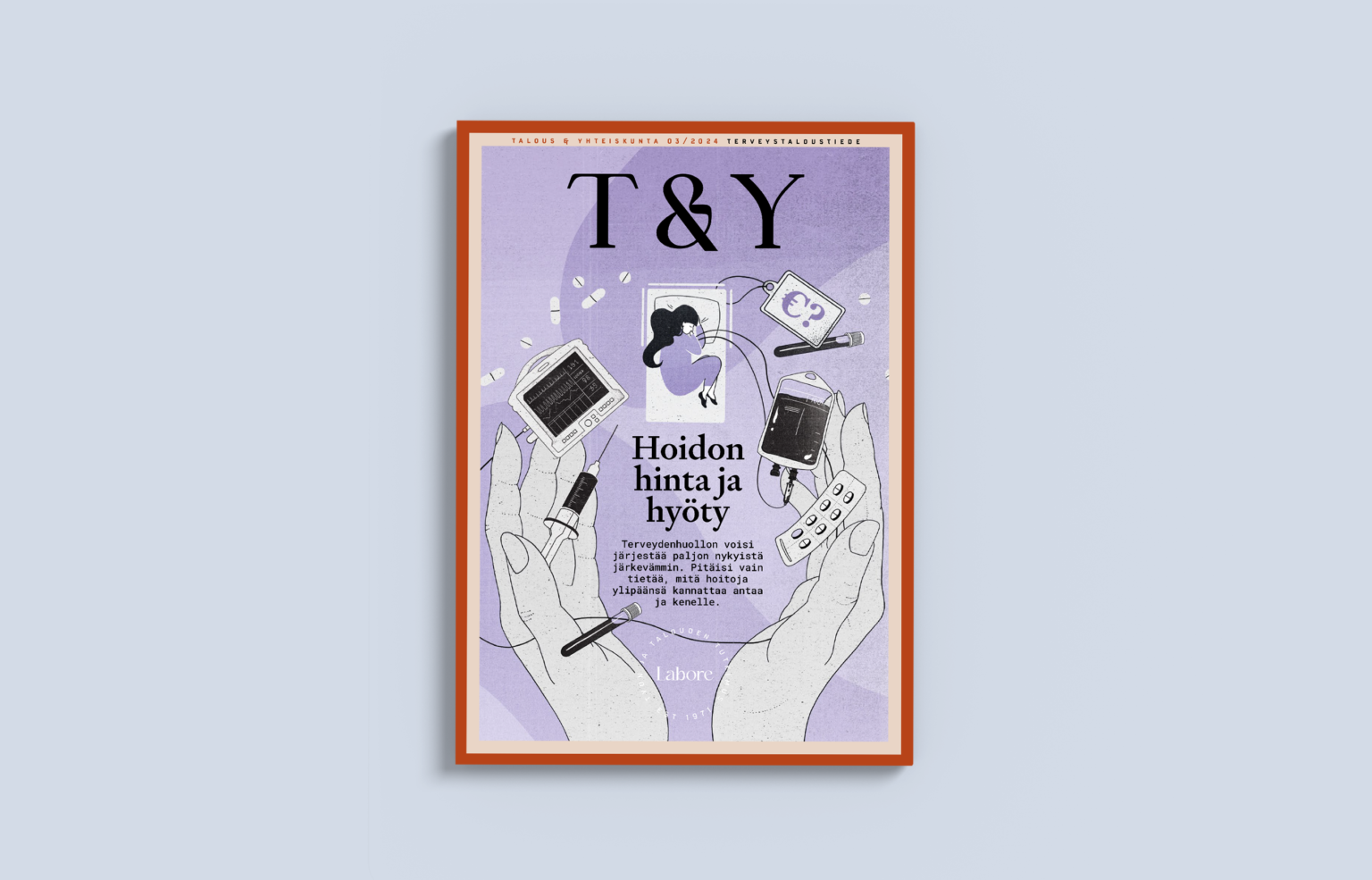
Who can we afford to care for—and at what cost? client: The Economy and Society magazine | date: 2024 | service: editorial illustration
Cover and full-spread illustrations for The Economy and Society magazine.The article examines the societal cost of extended healthcare. How do we decide the budget allocations, how can we measure a cost of a healthy life?
The illustration aims to visualise the complex relationship between healthcare costs, society at large and an individual person. The central image is a hospital bed with a person and a price tag attached, referring to the article’s question of how much can the extra life year cost. The big hands are representing society at large, and floating between them is medical equipment and such, symbolising the resources. The caring hands of the society are there to support a person, but how much can we afford to help?
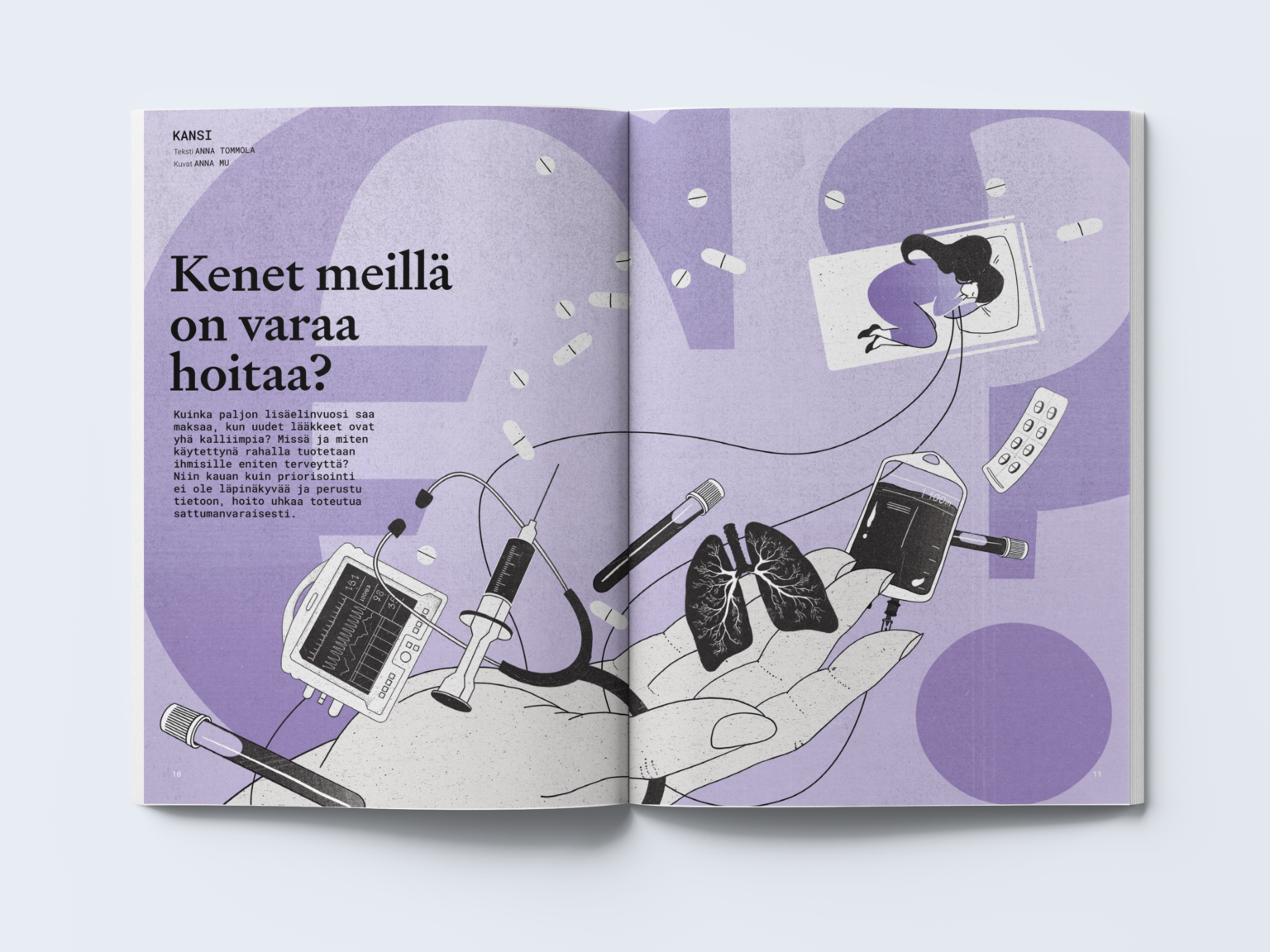
Who can we afford to care for—and at what cost? client: The Economy and Society magazine | date: 2024 | service: editorial illustration
Cover and full-spread illustrations for The Economy and Society magazine.The article examines the societal cost of extended healthcare. How do we decide the budget allocations, how can we measure a cost of a healthy life?
The illustration aims to visualise the complex relationship between healthcare costs, society at large and an individual person. The central image is a hospital bed with a person and a price tag attached, referring to the article’s question of how much can the extra life year cost. The big hands are representing society at large, and floating between them is medical equipment and such, symbolising the resources. The caring hands of the society are there to support a person, but how much can we afford to help?
Who can we afford to care for—and at what cost? client: The Economy and Society magazine | date: 2024 | service: editorial illustration
Cover and full-spread illustrations for The Economy and Society magazine.The article examines the societal cost of extended healthcare. How do we decide the budget allocations, how can we measure a cost of a healthy life?
The illustration aims to visualise the complex relationship between healthcare costs, society at large and an individual person. The central image is a hospital bed with a person and a price tag attached, referring to the article’s question of how much can the extra life year cost. The big hands are representing society at large, and floating between them is medical equipment and such, symbolising the resources. The caring hands of the society are there to support a person, but how much can we afford to help?
Editorial illustration / Finnish Nature
Funny Experiments, Important Results
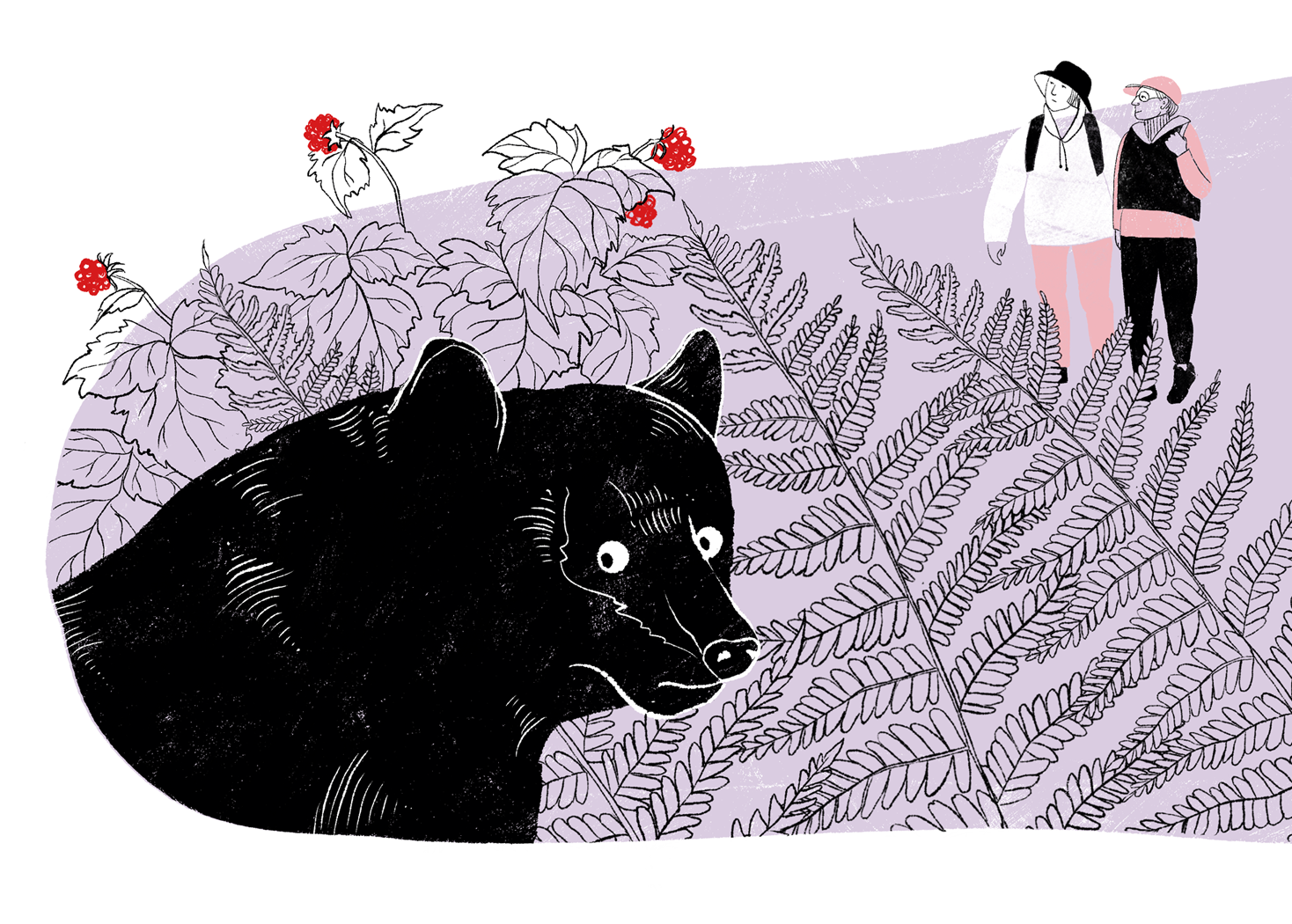
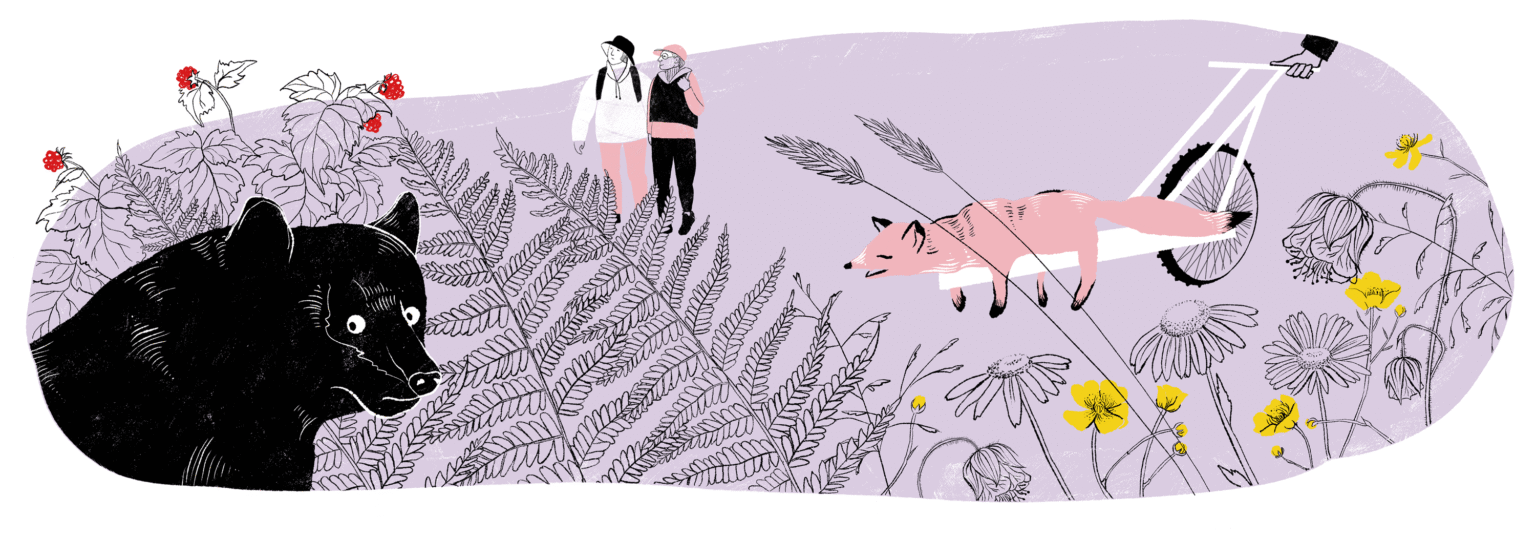
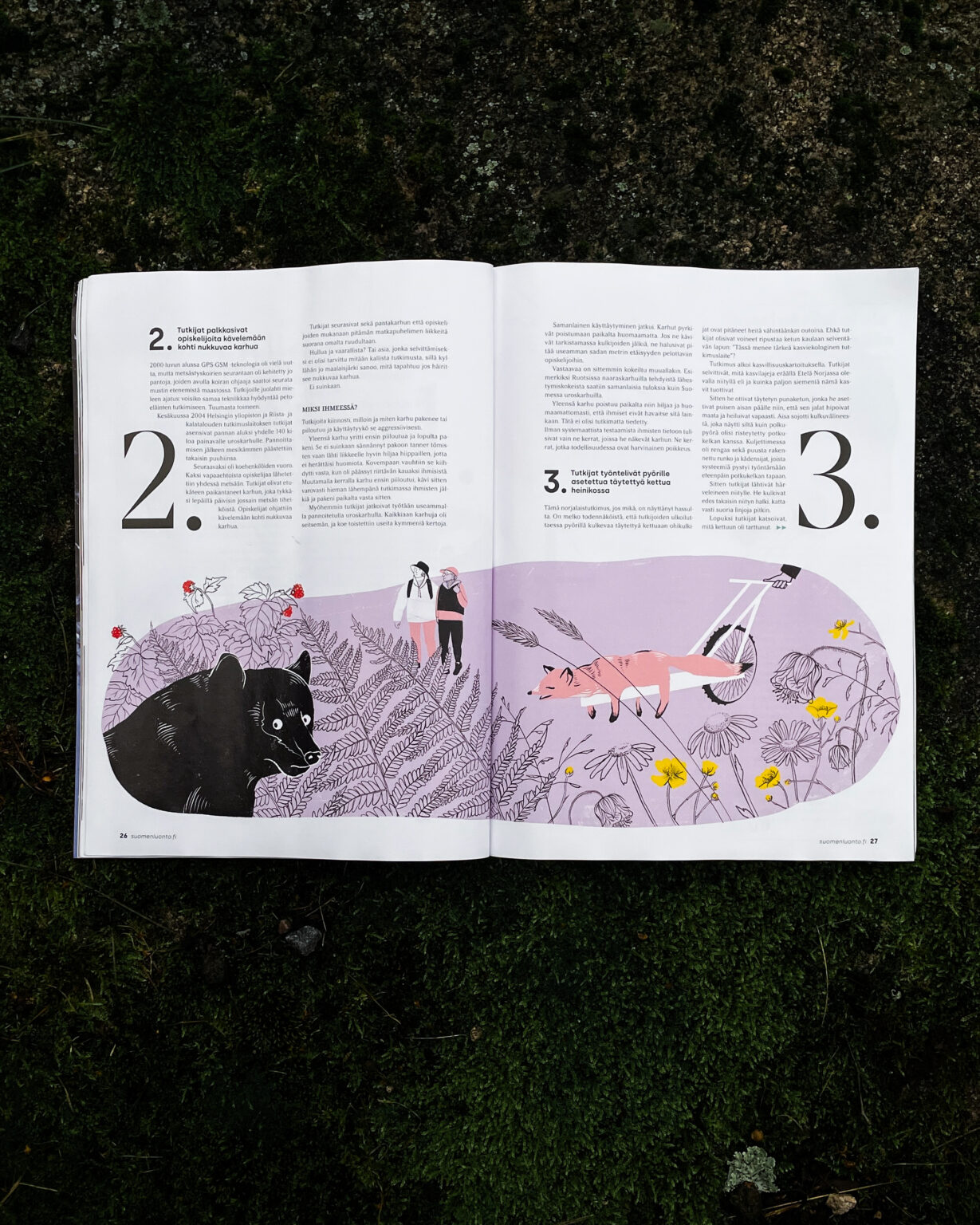
A series of four editorial illustrations for Suomen Luonto magazine.
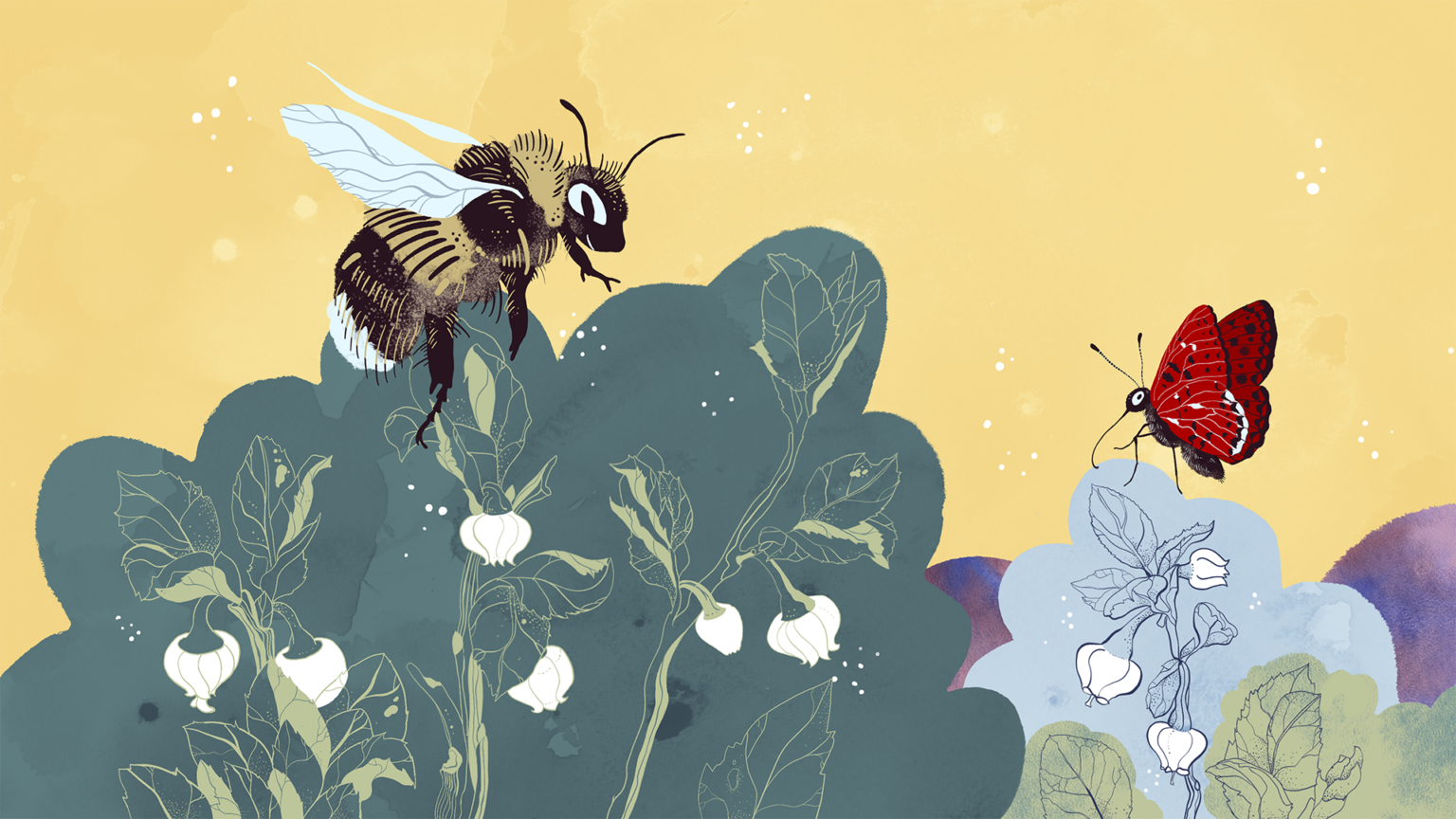
The article presents scientific studies that sound amusing at first — from painting shapes on birdhouses to walking towards the bear, pushing a stuffed fox on wheels, and teaching bumblebees colours — yet each reveals an important insight about ecosystems and animal behaviour. The illustrations aim to capture the blend of humour and depth in the article: grounded in real research, yet rich with curiosity and humour.
Editorial illustration / Finnish Nature
Click to see more about the project.
Editorial illustration / Finnish Nature
Funny Experiments, Important Results
A series of four editorial illustrations for Suomen Luonto magazine.
The article presents scientific studies that sound amusing at first — from painting shapes on birdhouses to walking towards the bear, pushing a stuffed fox on wheels, and teaching bumblebees colours — yet each reveals an important insight about ecosystems and animal behaviour. The illustrations aim to capture the blend of humour and depth in the article: grounded in real research, yet rich with curiosity and humour.
Editorial illustration / Finnish Nature
Funny Experiments, Important Results
A series of four editorial illustrations for Suomen Luonto magazine.
The article presents scientific studies that sound amusing at first — from painting shapes on birdhouses to walking towards the bear, pushing a stuffed fox on wheels, and teaching bumblebees colours — yet each reveals an important insight about ecosystems and animal behaviour. The illustrations aim to capture the blend of humour and depth in the article: grounded in real research, yet rich with curiosity and humour.
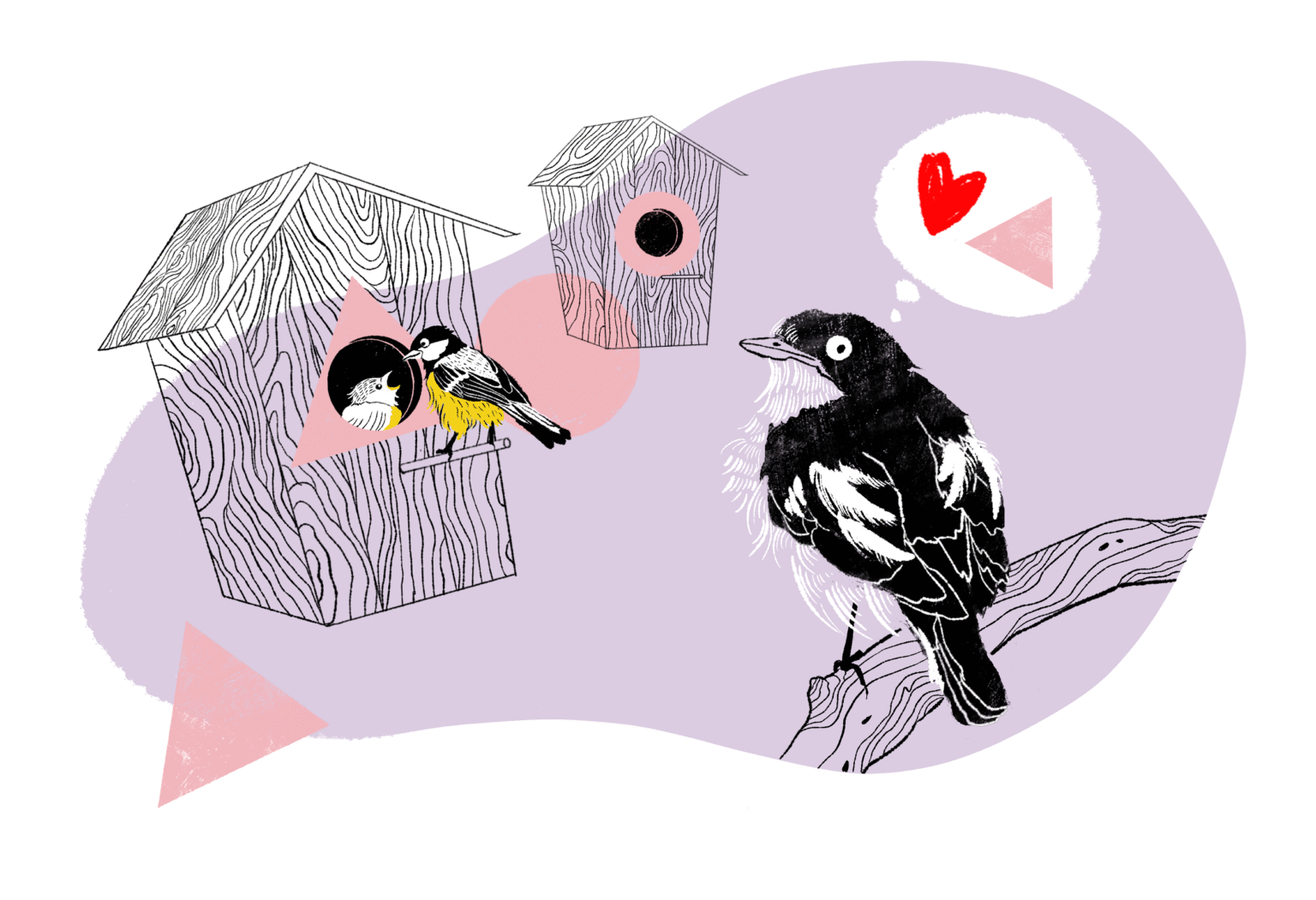
Editorial illustration / Finnish Nature
Funny Experiments, Important Results
A series of four editorial illustrations for Suomen Luonto magazine.
The article presents scientific studies that sound amusing at first — from painting shapes on birdhouses to walking towards the bear, pushing a stuffed fox on wheels, and teaching bumblebees colours — yet each reveals an important insight about ecosystems and animal behaviour. The illustrations aim to capture the blend of humour and depth in the article: grounded in real research, yet rich with curiosity and humour.
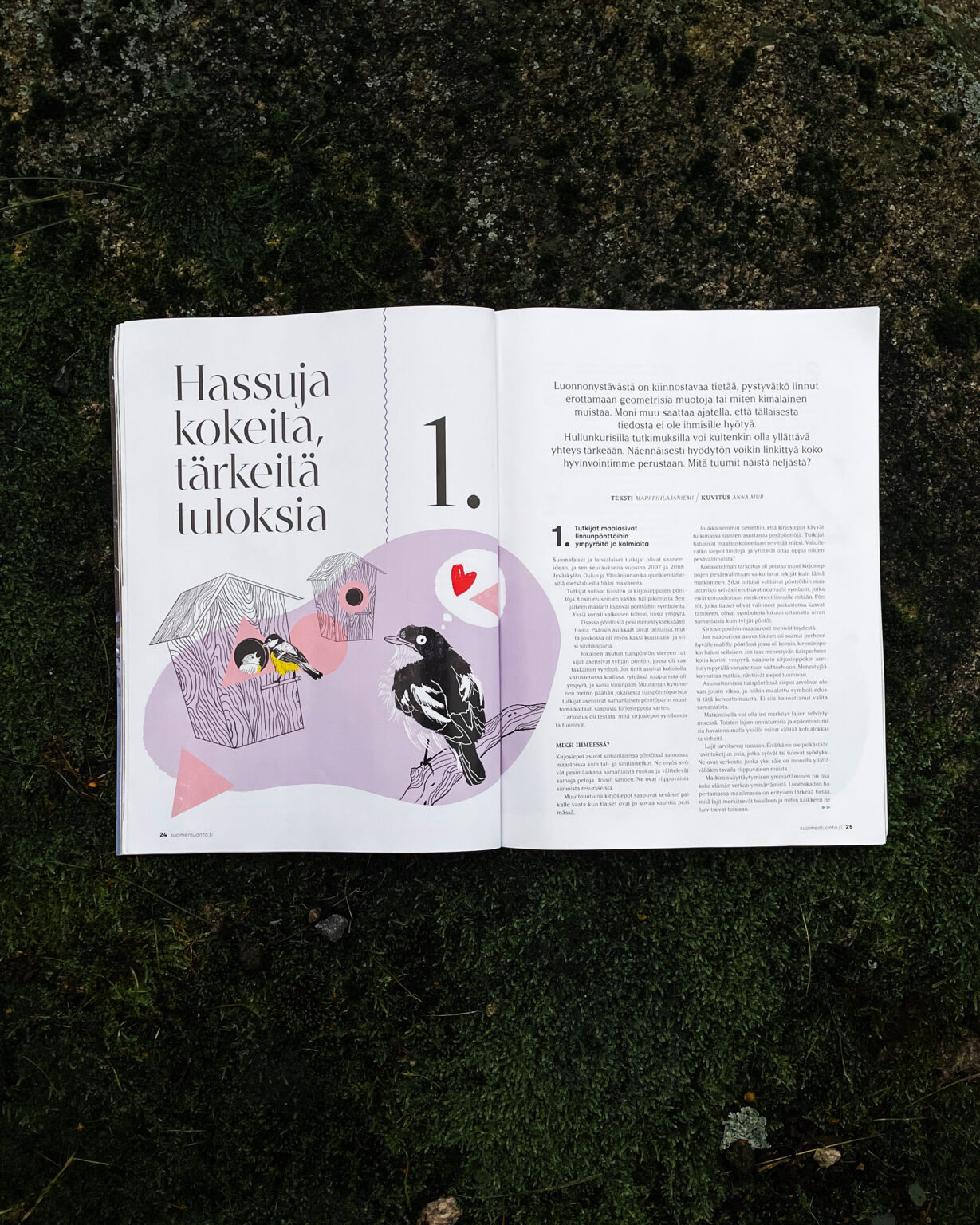
Editorial illustration / Finnish Nature
Funny Experiments, Important Results
A series of four editorial illustrations for Suomen Luonto magazine.
The article presents scientific studies that sound amusing at first — from painting shapes on birdhouses to walking towards the bear, pushing a stuffed fox on wheels, and teaching bumblebees colours — yet each reveals an important insight about ecosystems and animal behaviour. The illustrations aim to capture the blend of humour and depth in the article: grounded in real research, yet rich with curiosity and humour.
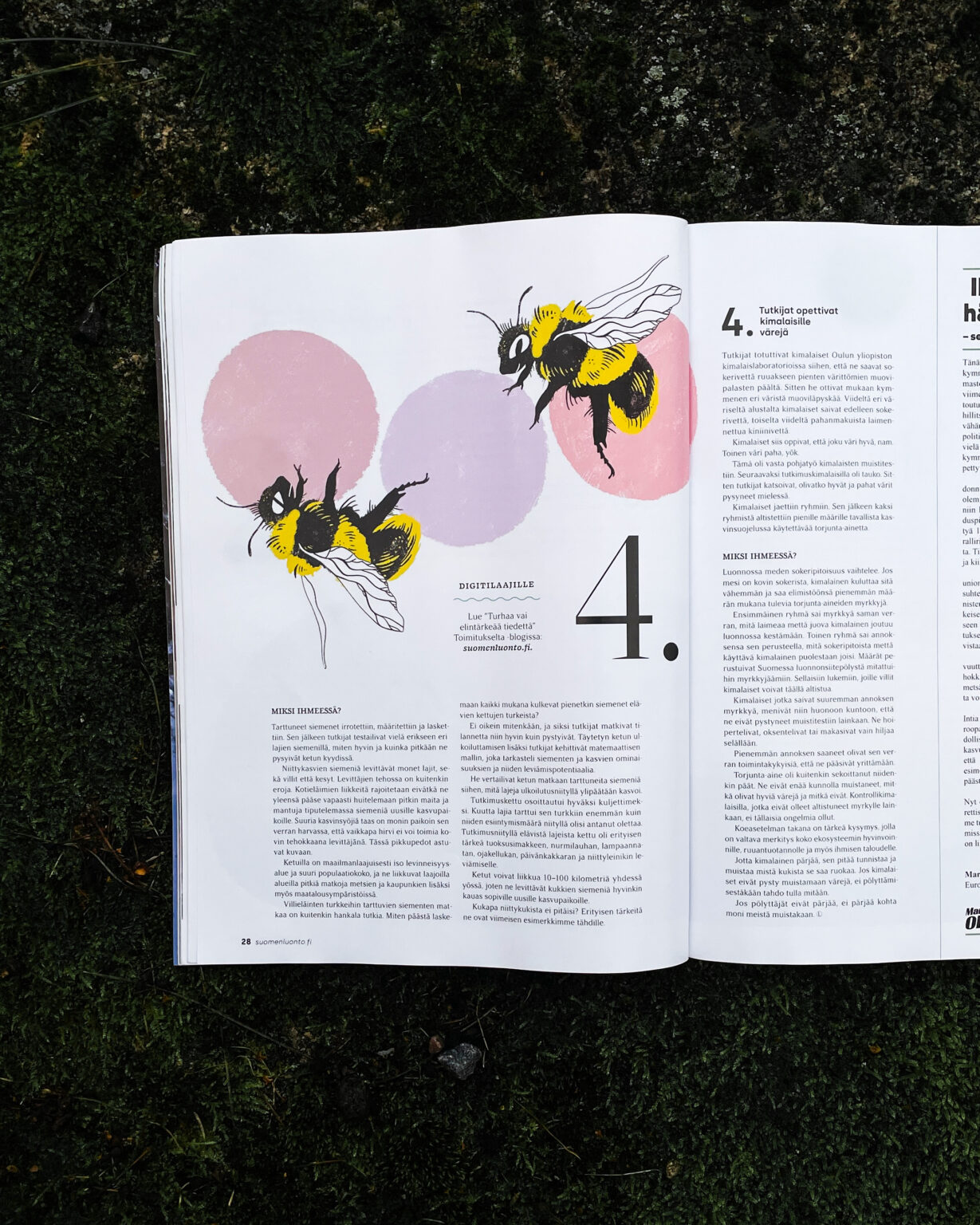
Editorial illustration / Finnish Nature
Funny Experiments, Important Results
A series of four editorial illustrations for Suomen Luonto magazine.
The article presents scientific studies that sound amusing at first — from painting shapes on birdhouses to walking towards the bear, pushing a stuffed fox on wheels, and teaching bumblebees colours — yet each reveals an important insight about ecosystems and animal behaviour. The illustrations aim to capture the blend of humour and depth in the article: grounded in real research, yet rich with curiosity and humour.
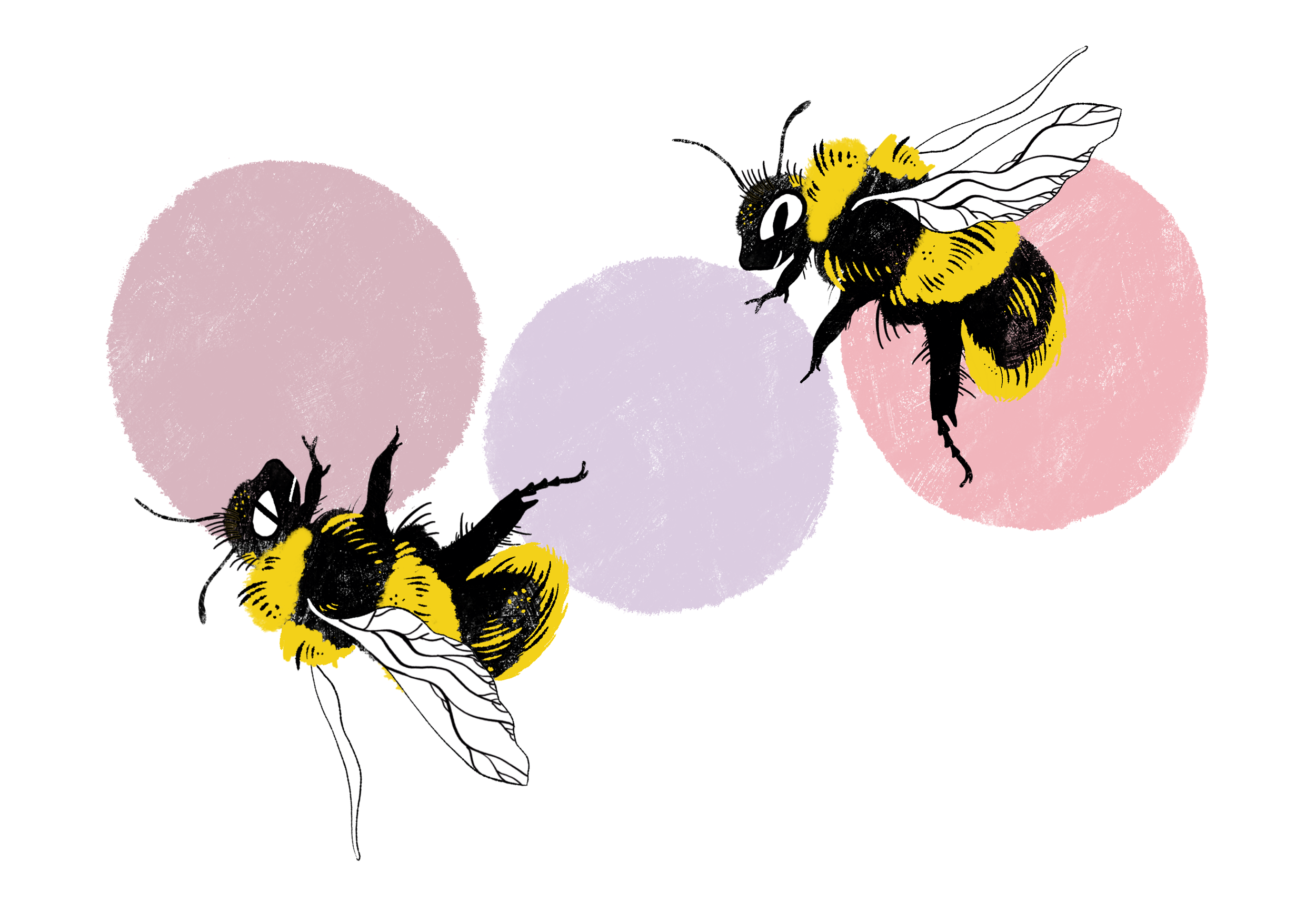
Editorial illustration / Finnish Nature
Funny Experiments, Important Results
A series of four editorial illustrations for Suomen Luonto magazine.
The article presents scientific studies that sound amusing at first — from painting shapes on birdhouses to walking towards the bear, pushing a stuffed fox on wheels, and teaching bumblebees colours — yet each reveals an important insight about ecosystems and animal behaviour. The illustrations aim to capture the blend of humour and depth in the article: grounded in real research, yet rich with curiosity and humour.
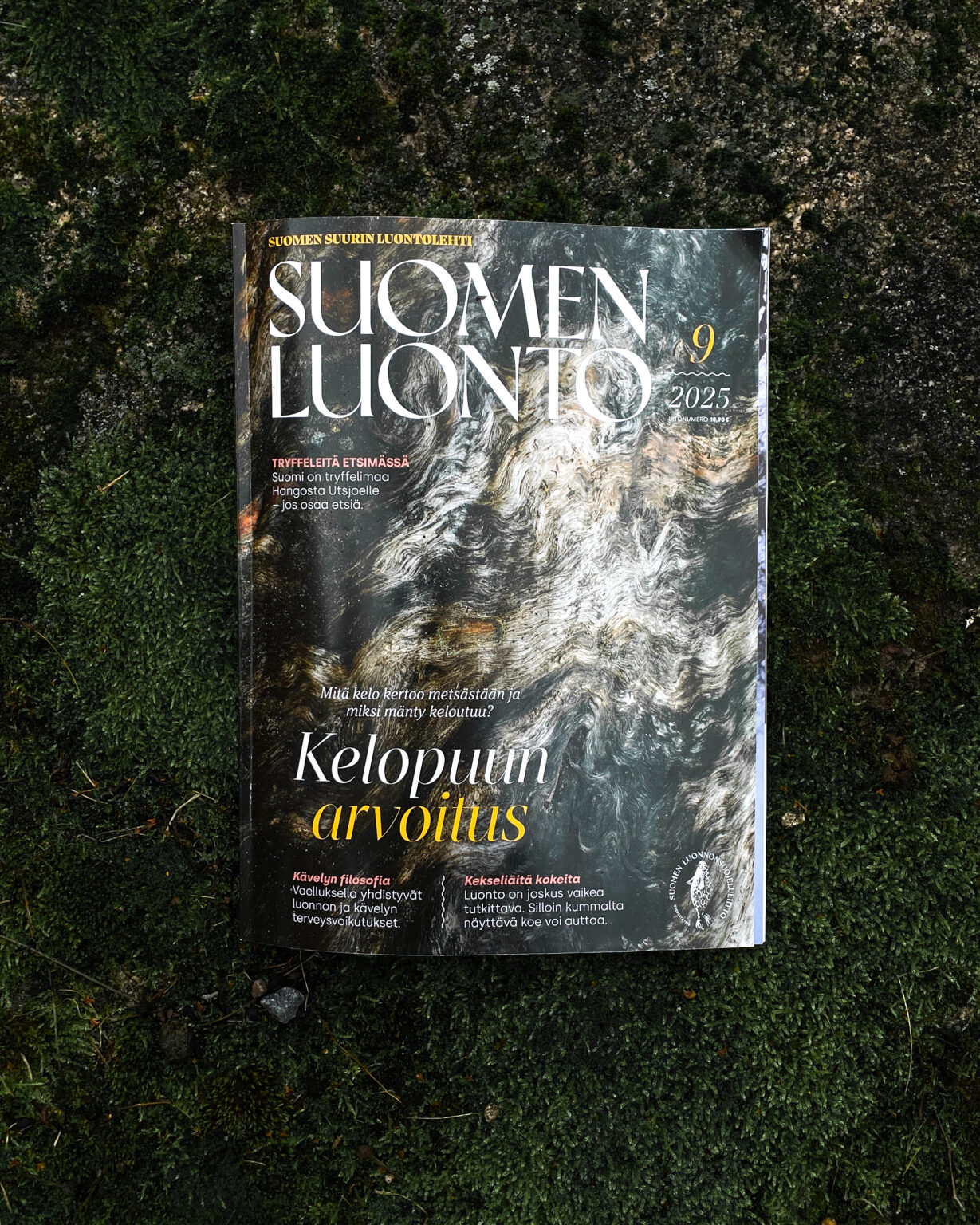
Editorial illustration / Finnish Nature
Funny Experiments, Important Results
A series of four editorial illustrations for Suomen Luonto magazine.
The article presents scientific studies that sound amusing at first — from painting shapes on birdhouses to walking towards the bear, pushing a stuffed fox on wheels, and teaching bumblebees colours — yet each reveals an important insight about ecosystems and animal behaviour. The illustrations aim to capture the blend of humour and depth in the article: grounded in real research, yet rich with curiosity and humour.
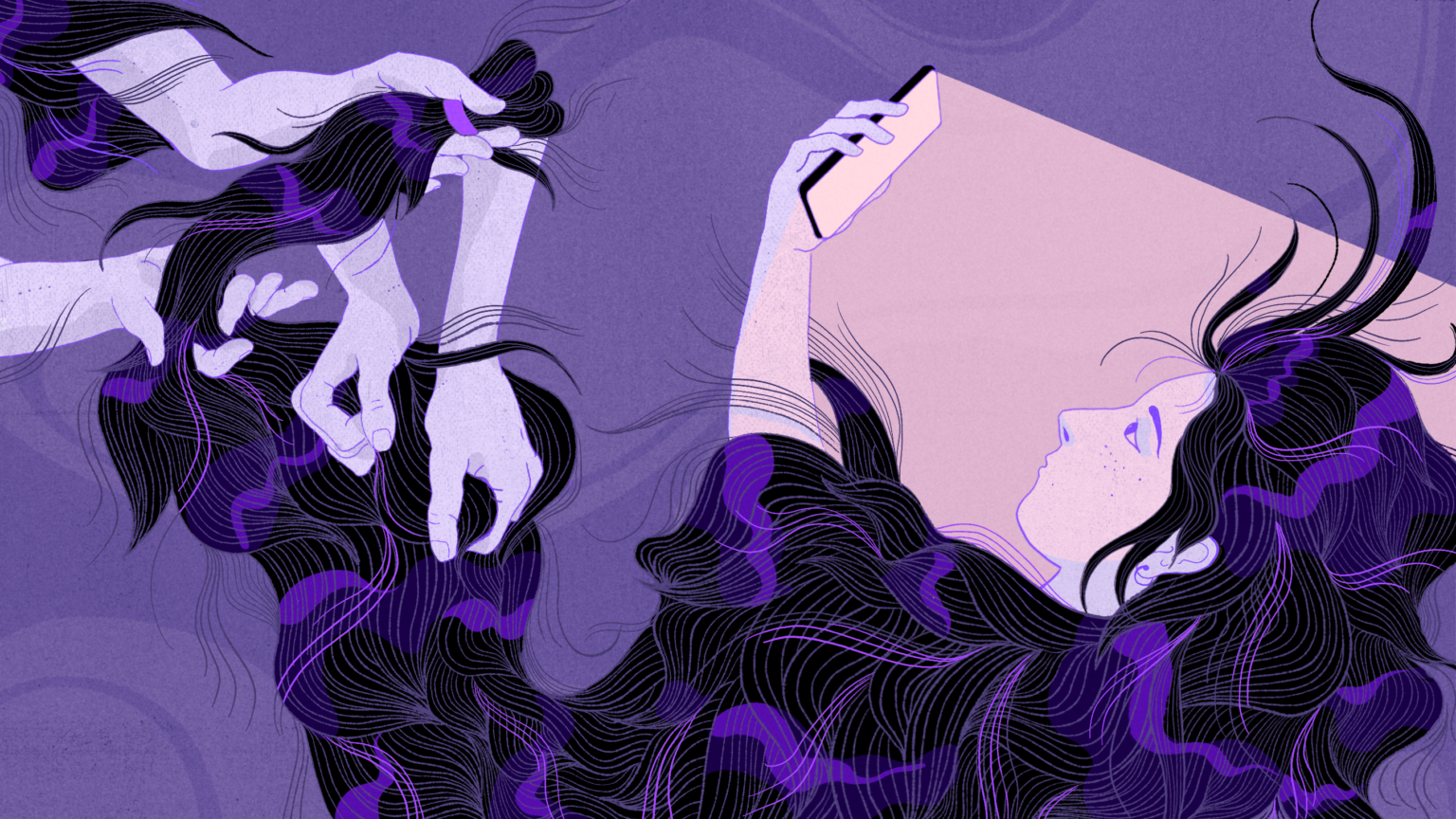
Hair trade article / Kone Foundation
I wanted to hold the complexity of the subject gently by showing the hair trade cycle in a non-judgmental way. I also added a spotlight from the phone to suggest that we see only the end result on the hair trade cycle that is a curated image of others. To tie the composition together, I was inspired by Alfons Mucha’s kind of avalanche of hair.
Hair trade article / Kone Foundation
Click to see more about the project.
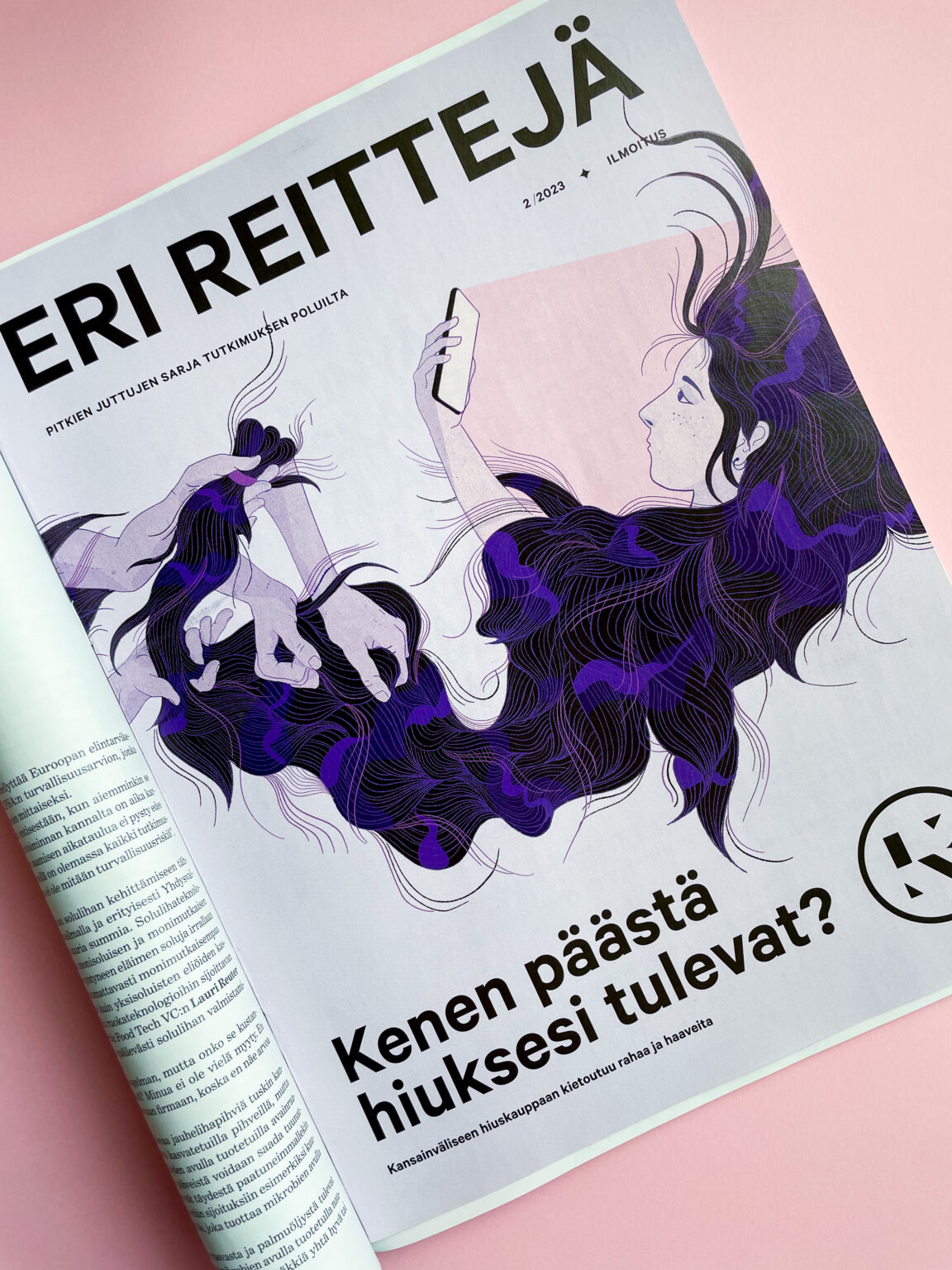
Hair trade article / Kone Foundation
I wanted to hold the complexity of the subject gently by showing the hair trade cycle in a non-judgmental way. I also added a spotlight from the phone to suggest that we see only the end result on the hair trade cycle that is a curated image of others. To tie the composition together, I was inspired by Alfons Mucha’s kind of avalanche of hair.
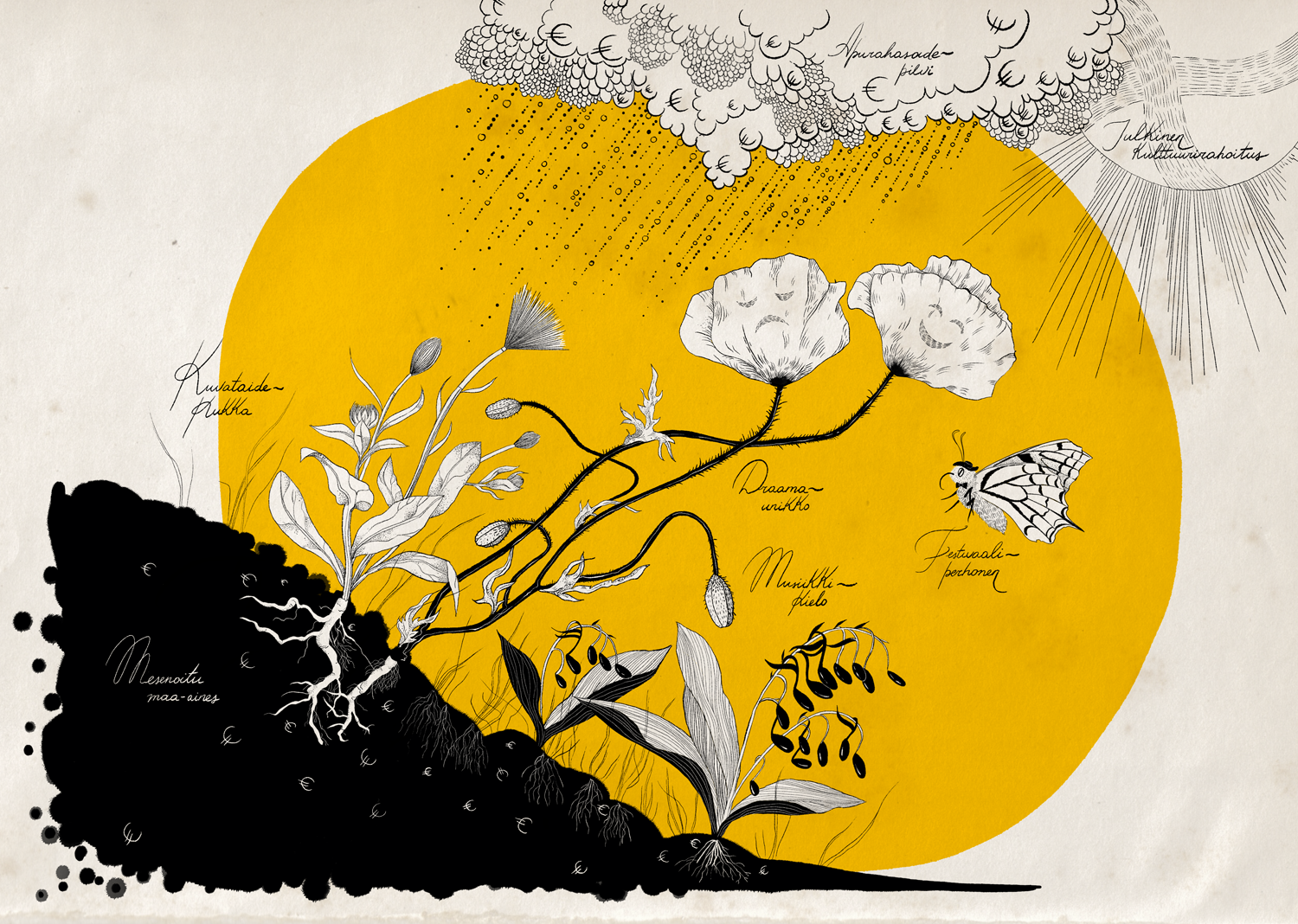
"How do we measure culture?" editorial illustration and cover illustration for Economy & Society magazine
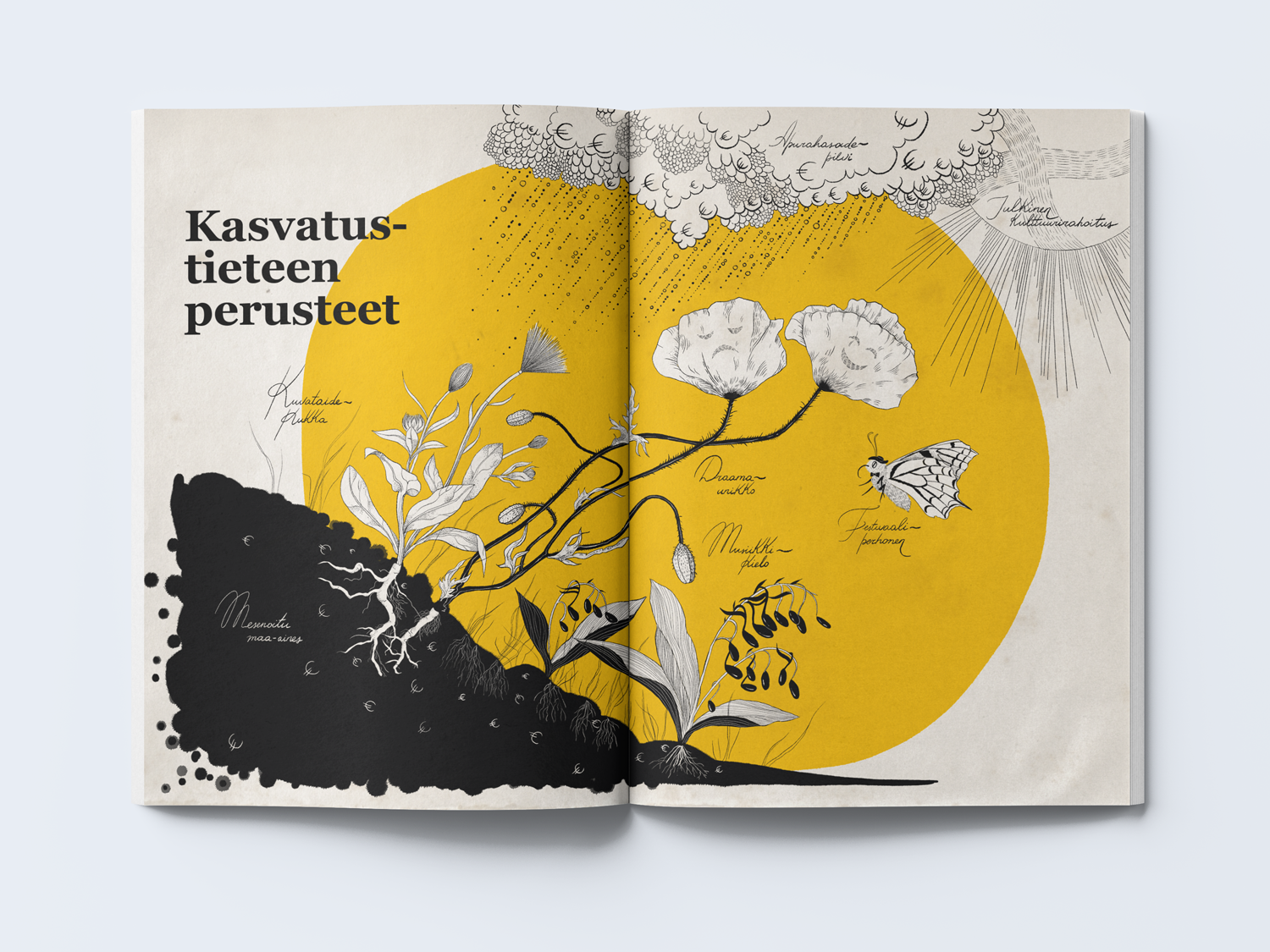
Cover, full spread and vignette illustrations for The Economy and Society magazine.
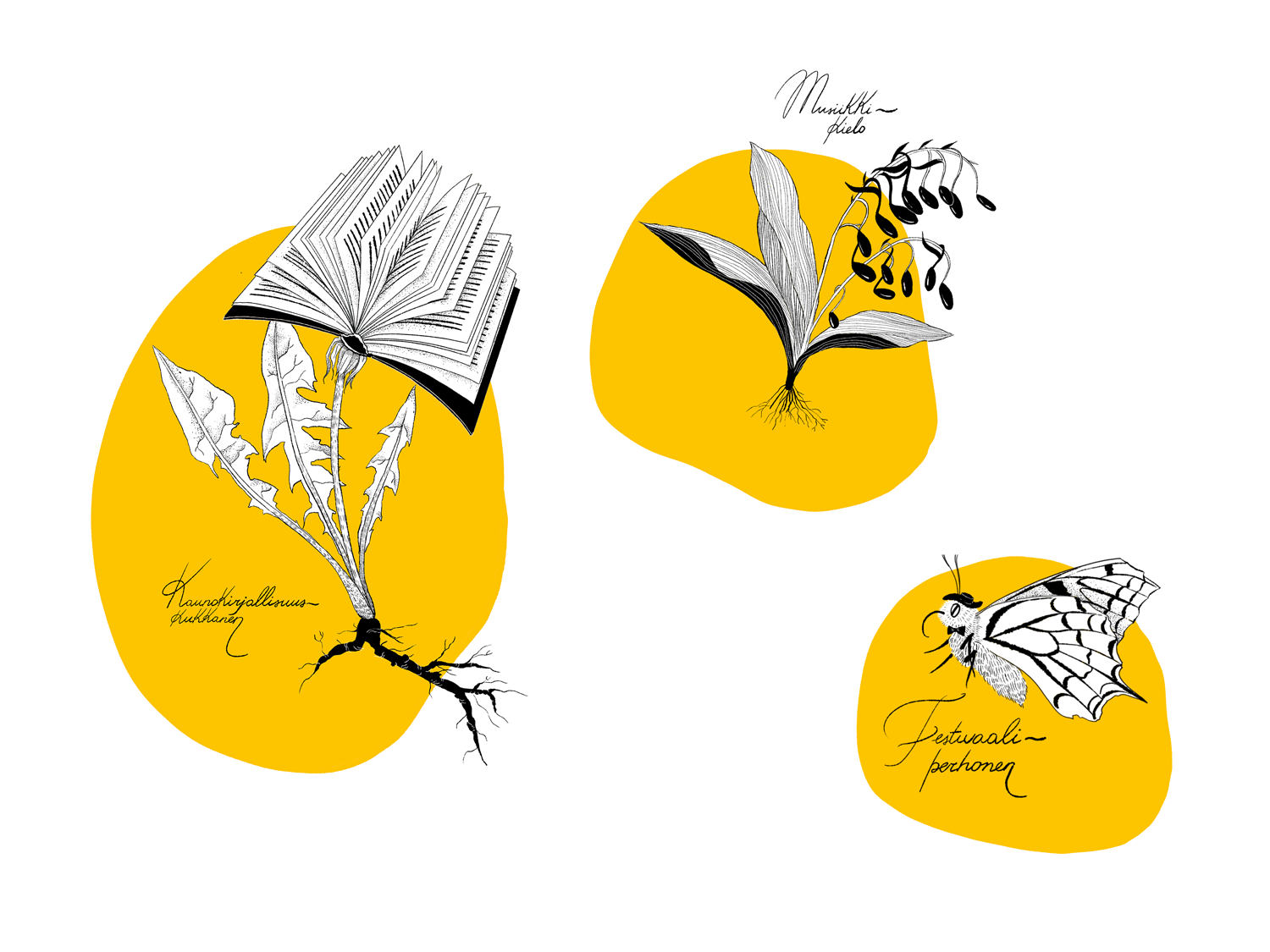
The article explores how money is spent on the cultural sector and its value. After reading the article, I had in my mind the image of intricate ecosystem where various art forms are plants and economic investments are nutrients. I wanted to style it as botanical illustration that highlights the complexity of resource distribution in the arts and to incorporate Finnish wildflowers. I got to use my favorite theme — nature — to express a complex abstract concept.
"How do we measure culture?" editorial illustration and cover illustration for Economy & Society magazine
Click to see more about the project.

"How do we measure culture?" editorial illustration and cover illustration for Economy & Society magazine
Cover, full spread and vignette illustrations for The Economy and Society magazine.
The article explores how money is spent on the cultural sector and its value. After reading the article, I had in my mind the image of intricate ecosystem where various art forms are plants and economic investments are nutrients. I wanted to style it as botanical illustration that highlights the complexity of resource distribution in the arts and to incorporate Finnish wildflowers. I got to use my favorite theme — nature — to express a complex abstract concept.
"How do we measure culture?" editorial illustration and cover illustration for Economy & Society magazine
Cover, full spread and vignette illustrations for The Economy and Society magazine.
The article explores how money is spent on the cultural sector and its value. After reading the article, I had in my mind the image of intricate ecosystem where various art forms are plants and economic investments are nutrients. I wanted to style it as botanical illustration that highlights the complexity of resource distribution in the arts and to incorporate Finnish wildflowers. I got to use my favorite theme — nature — to express a complex abstract concept.
"How do we measure culture?" editorial illustration and cover illustration for Economy & Society magazine
Cover, full spread and vignette illustrations for The Economy and Society magazine.
The article explores how money is spent on the cultural sector and its value. After reading the article, I had in my mind the image of intricate ecosystem where various art forms are plants and economic investments are nutrients. I wanted to style it as botanical illustration that highlights the complexity of resource distribution in the arts and to incorporate Finnish wildflowers. I got to use my favorite theme — nature — to express a complex abstract concept.
Coloring pages / ColorJoy, etc
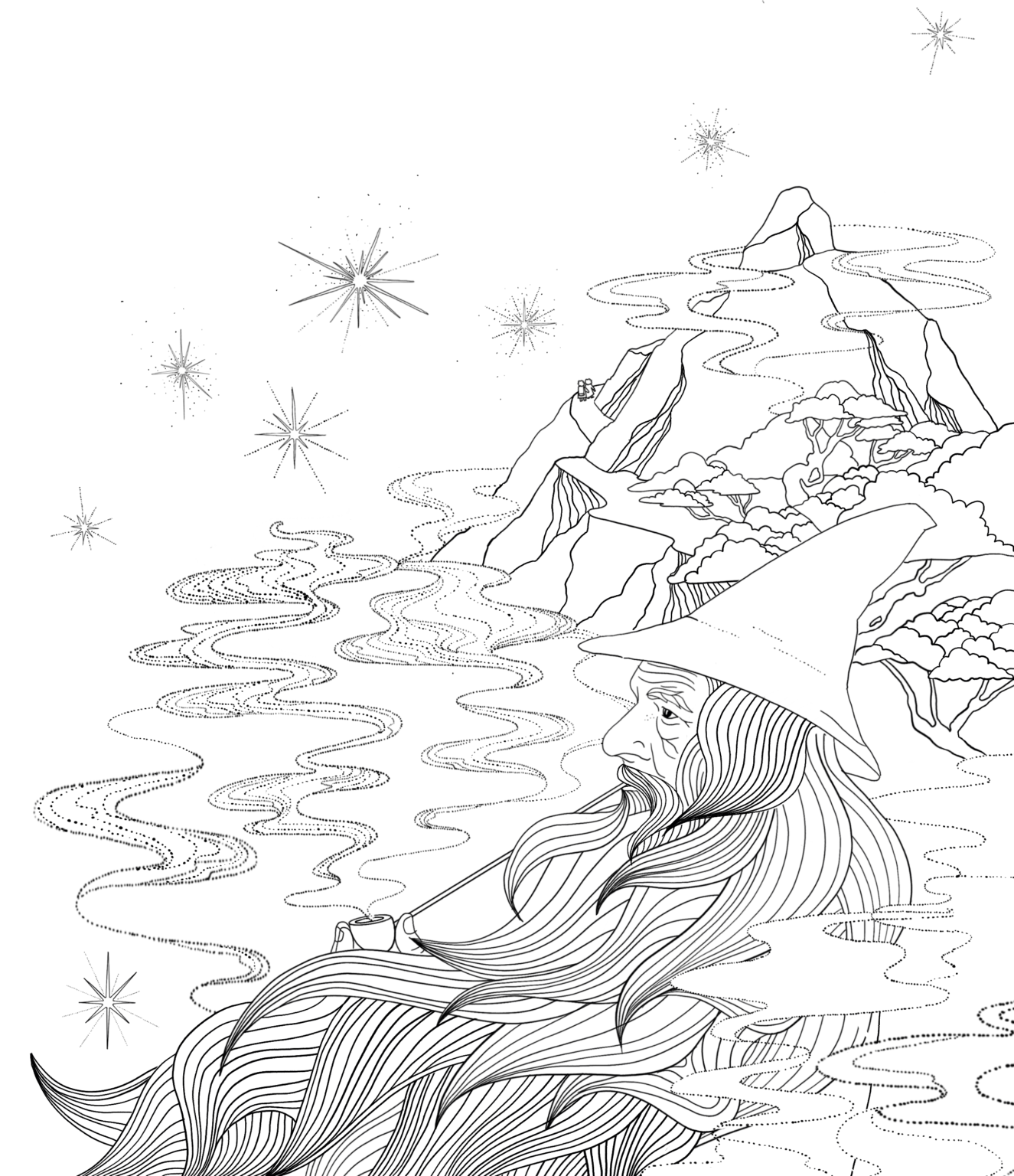
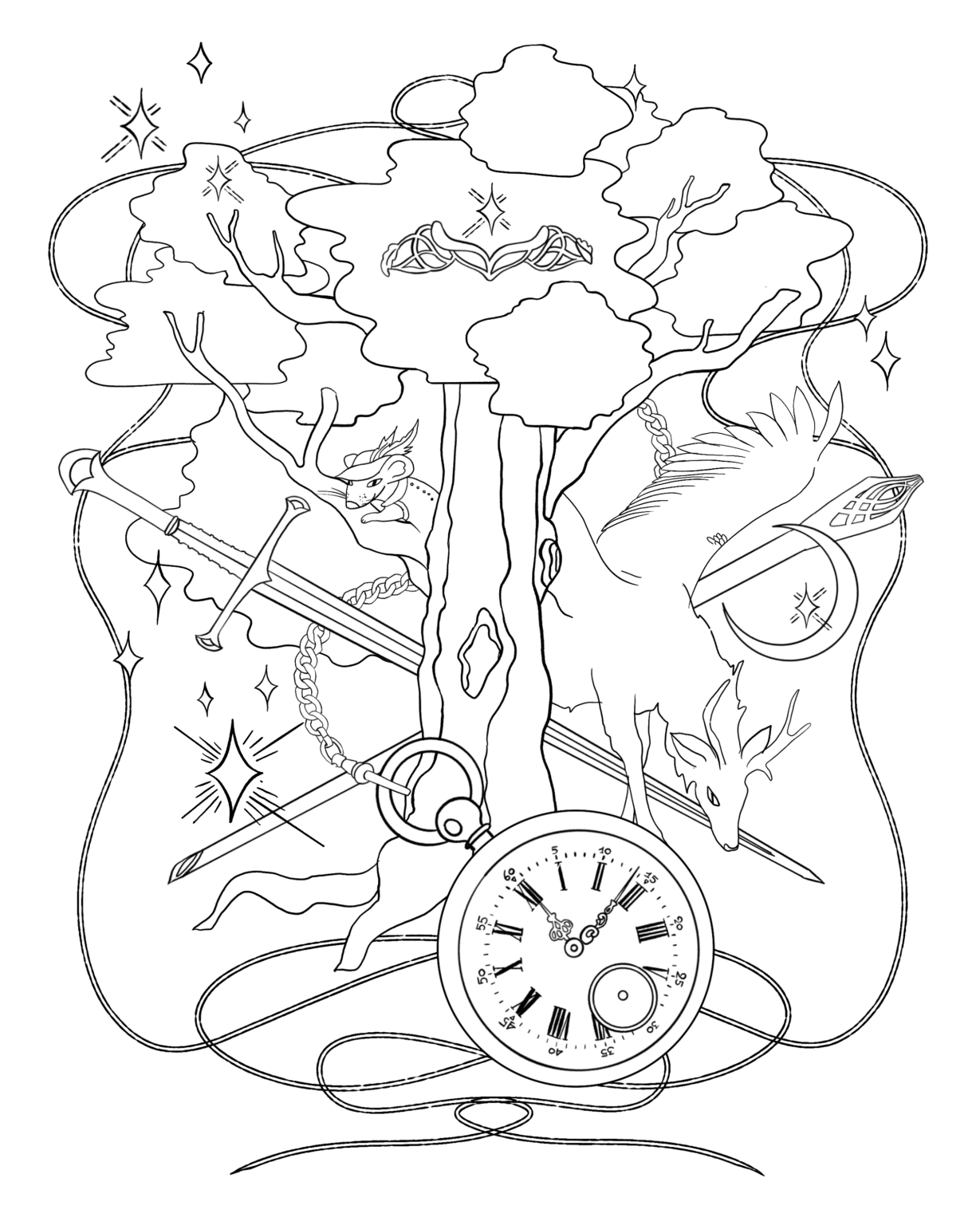
Coloring pages for ColorJoy app, Fantasy Coloring book and Bita Razavi’s “Coloring Book for Concerned Adults”.
Coloring pages / ColorJoy, etc
Click to see more about the project.
Coloring pages / ColorJoy, etc
Coloring pages for ColorJoy app, Fantasy Coloring book and Bita Razavi’s “Coloring Book for Concerned Adults”.
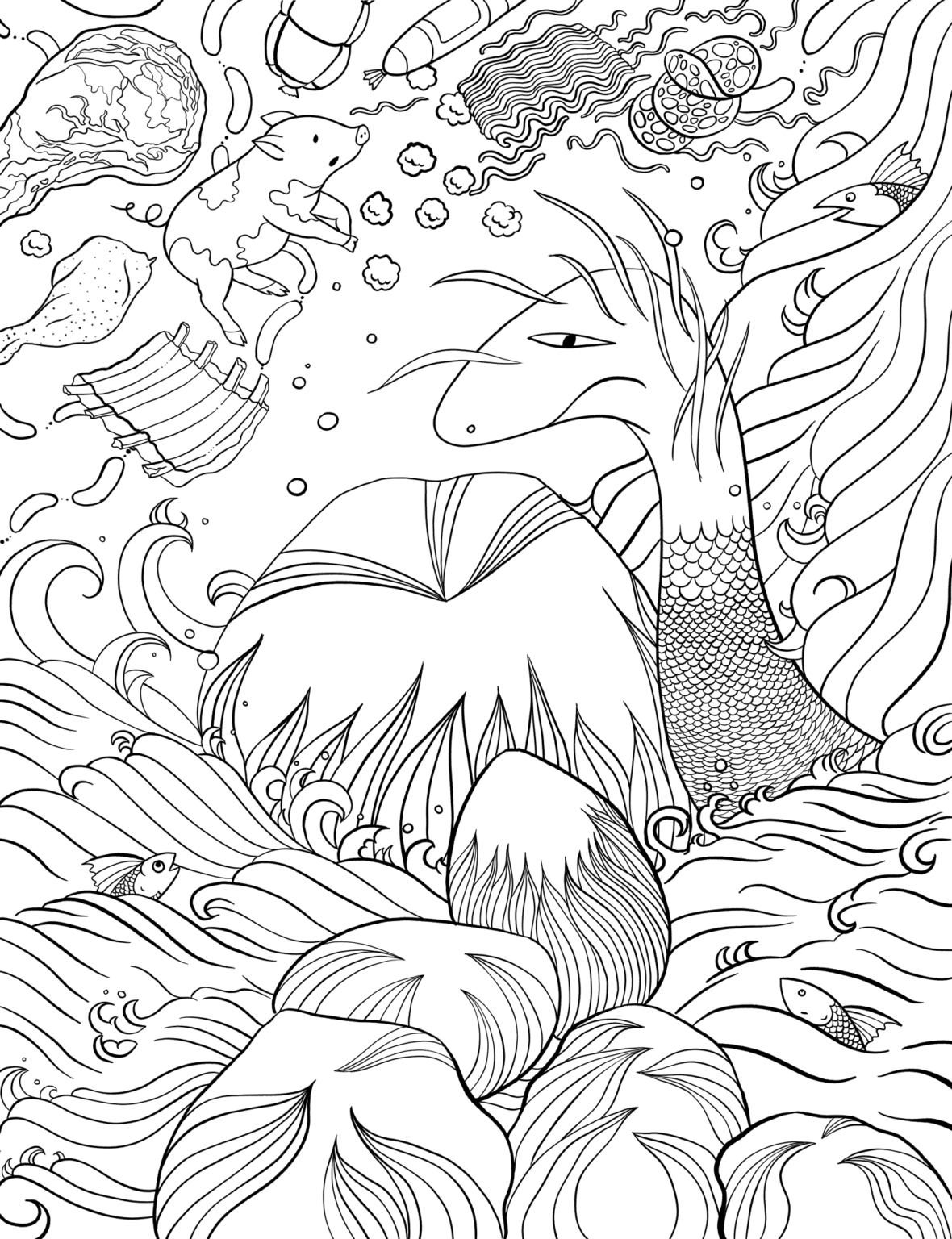
Coloring pages / ColorJoy, etc
Coloring pages for ColorJoy app, Fantasy Coloring book and Bita Razavi’s “Coloring Book for Concerned Adults”.
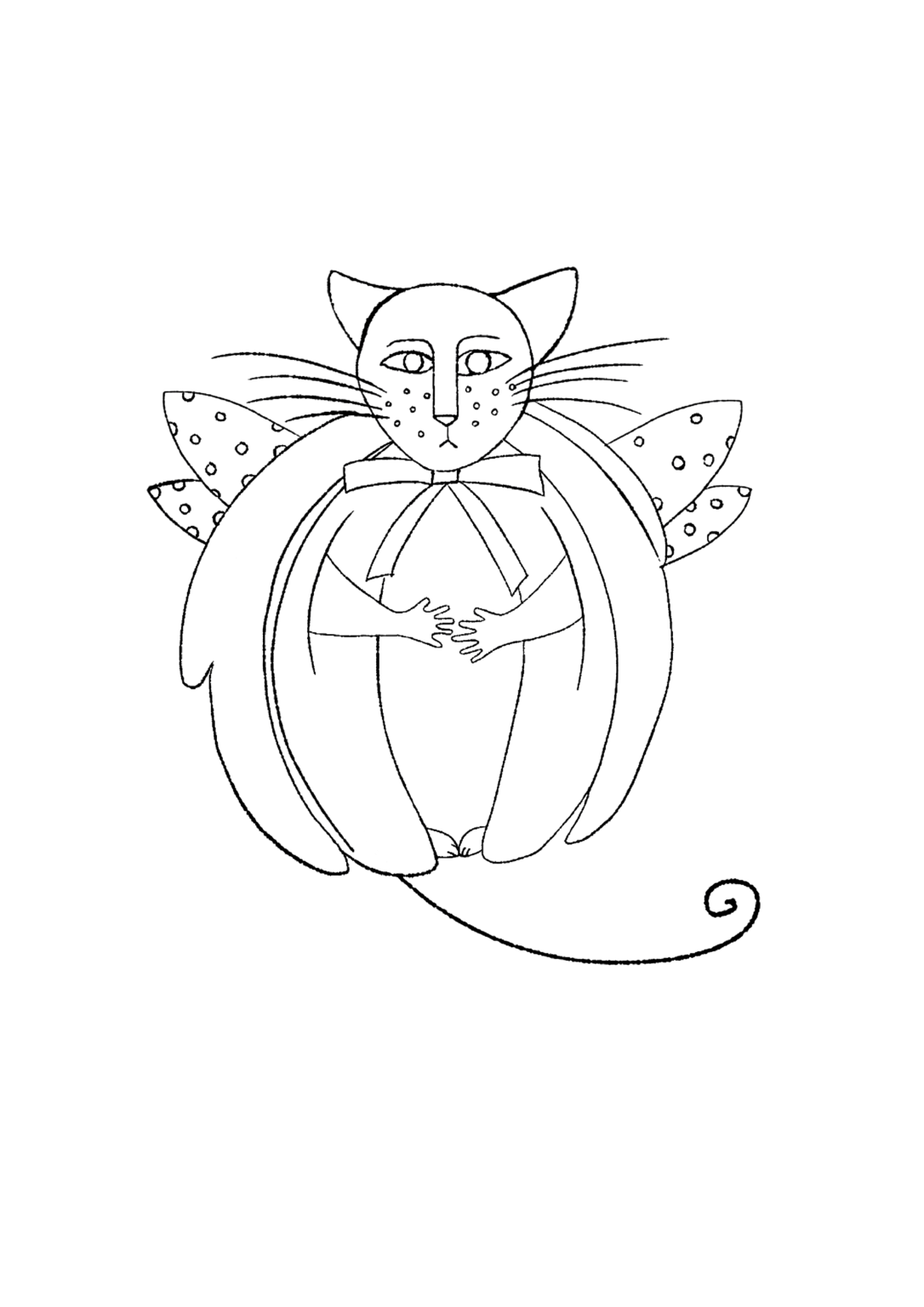
Coloring pages / ColorJoy, etc
Coloring pages for ColorJoy app, Fantasy Coloring book and Bita Razavi’s “Coloring Book for Concerned Adults”.
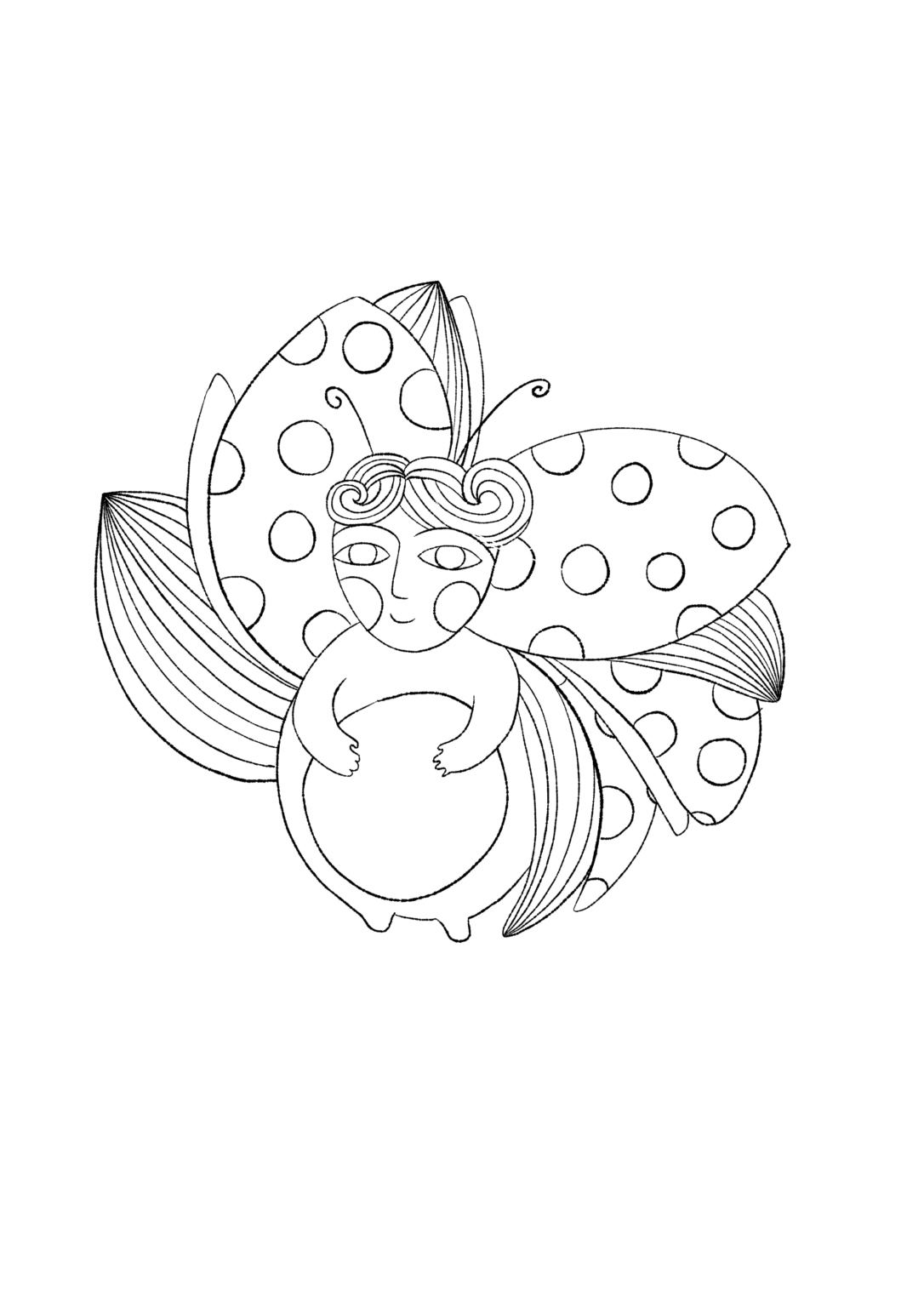
Coloring pages / ColorJoy, etc
Coloring pages for ColorJoy app, Fantasy Coloring book and Bita Razavi’s “Coloring Book for Concerned Adults”.
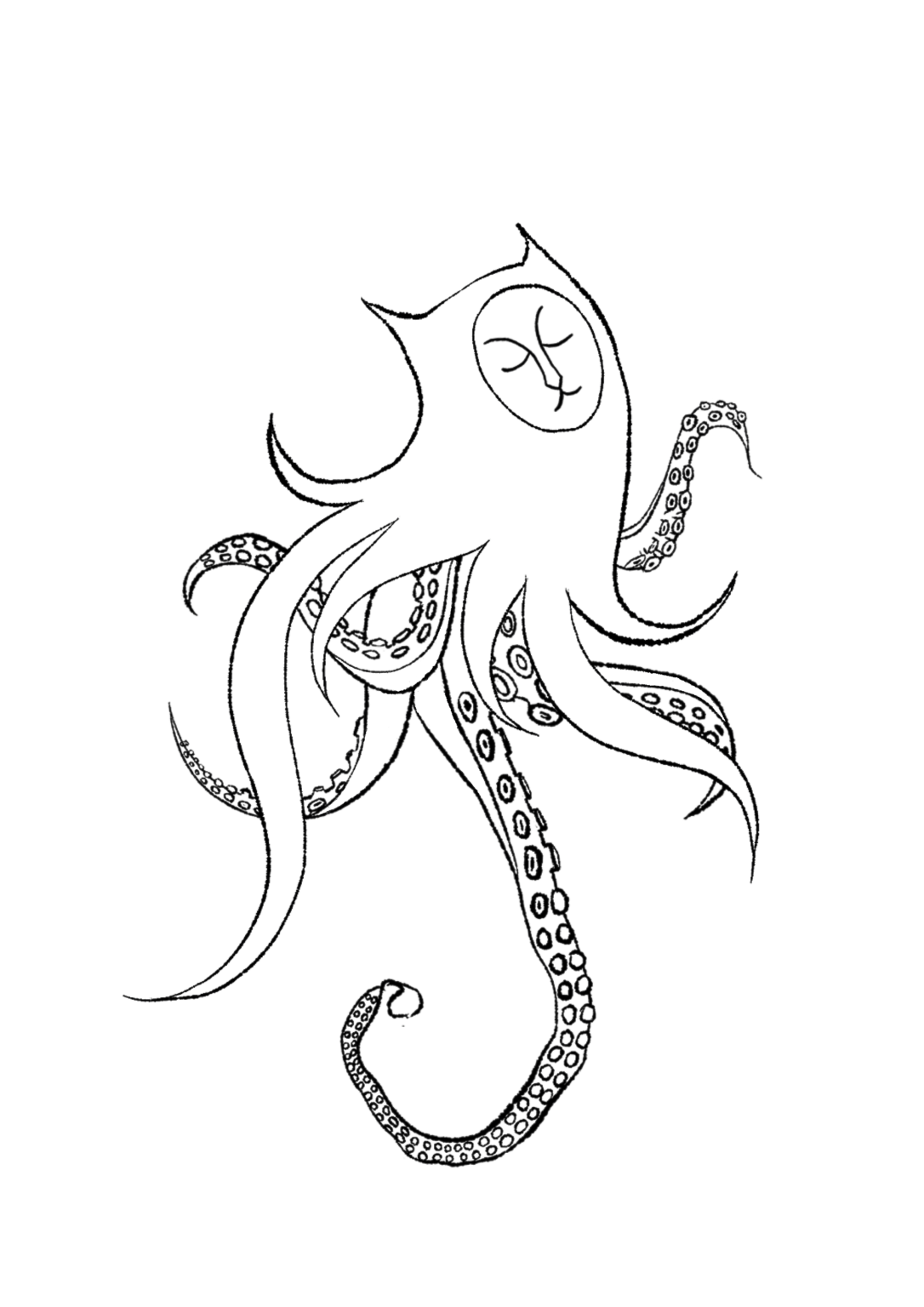
Coloring pages / ColorJoy, etc
Coloring pages for ColorJoy app, Fantasy Coloring book and Bita Razavi’s “Coloring Book for Concerned Adults”.
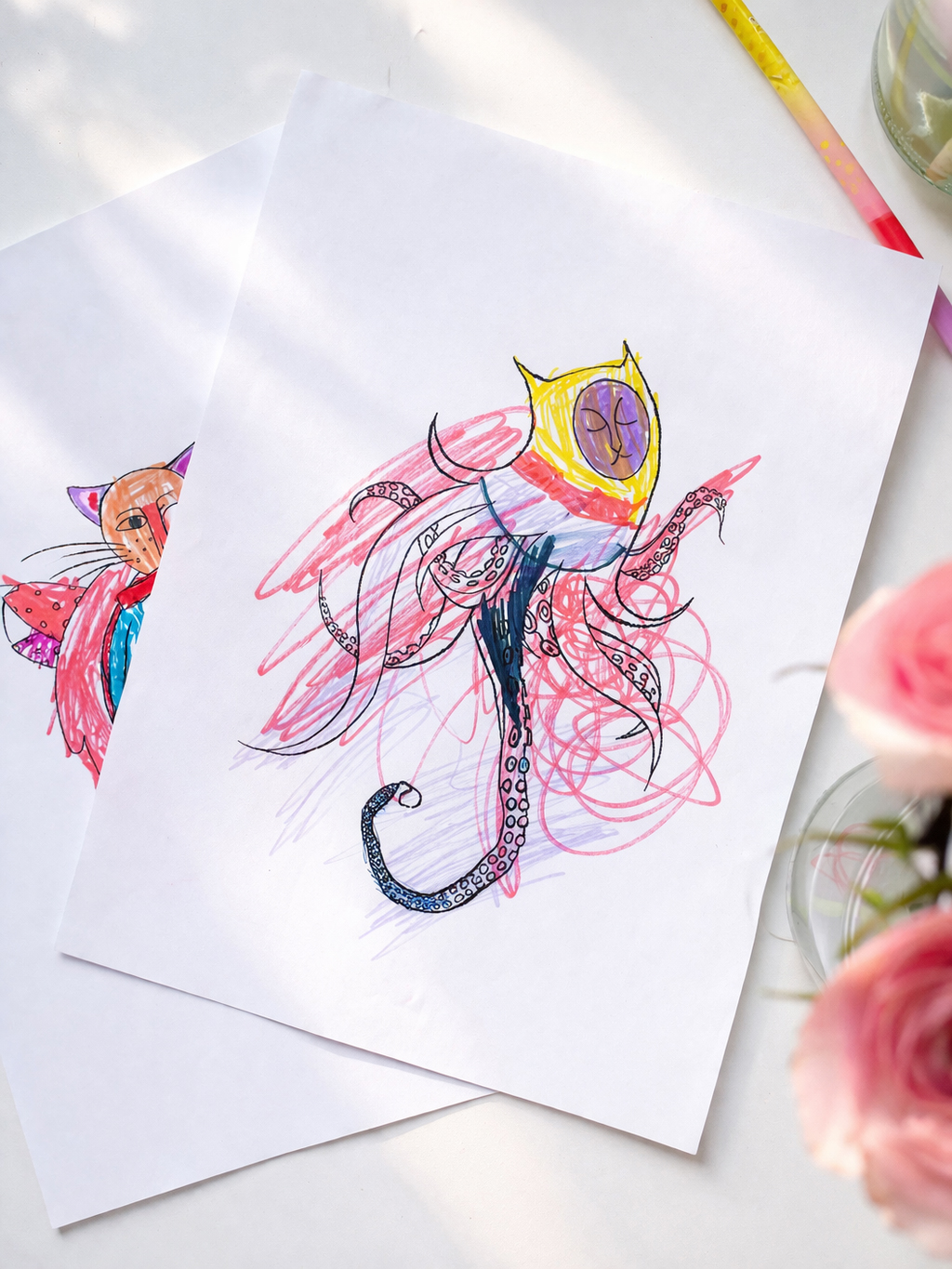
Coloring pages / ColorJoy, etc
Coloring pages for ColorJoy app, Fantasy Coloring book and Bita Razavi’s “Coloring Book for Concerned Adults”.
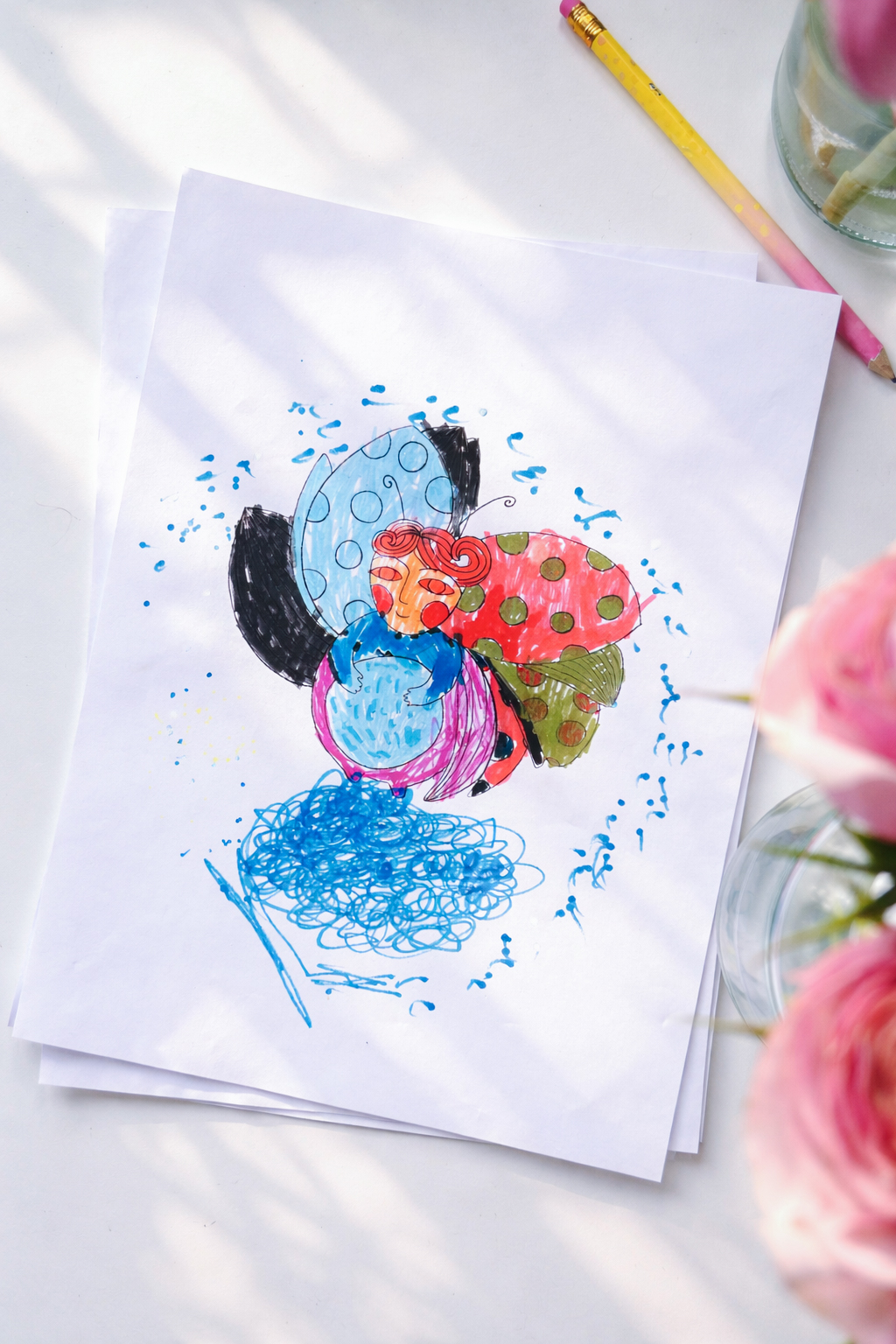
Coloring pages / ColorJoy, etc
Coloring pages for ColorJoy app, Fantasy Coloring book and Bita Razavi’s “Coloring Book for Concerned Adults”.
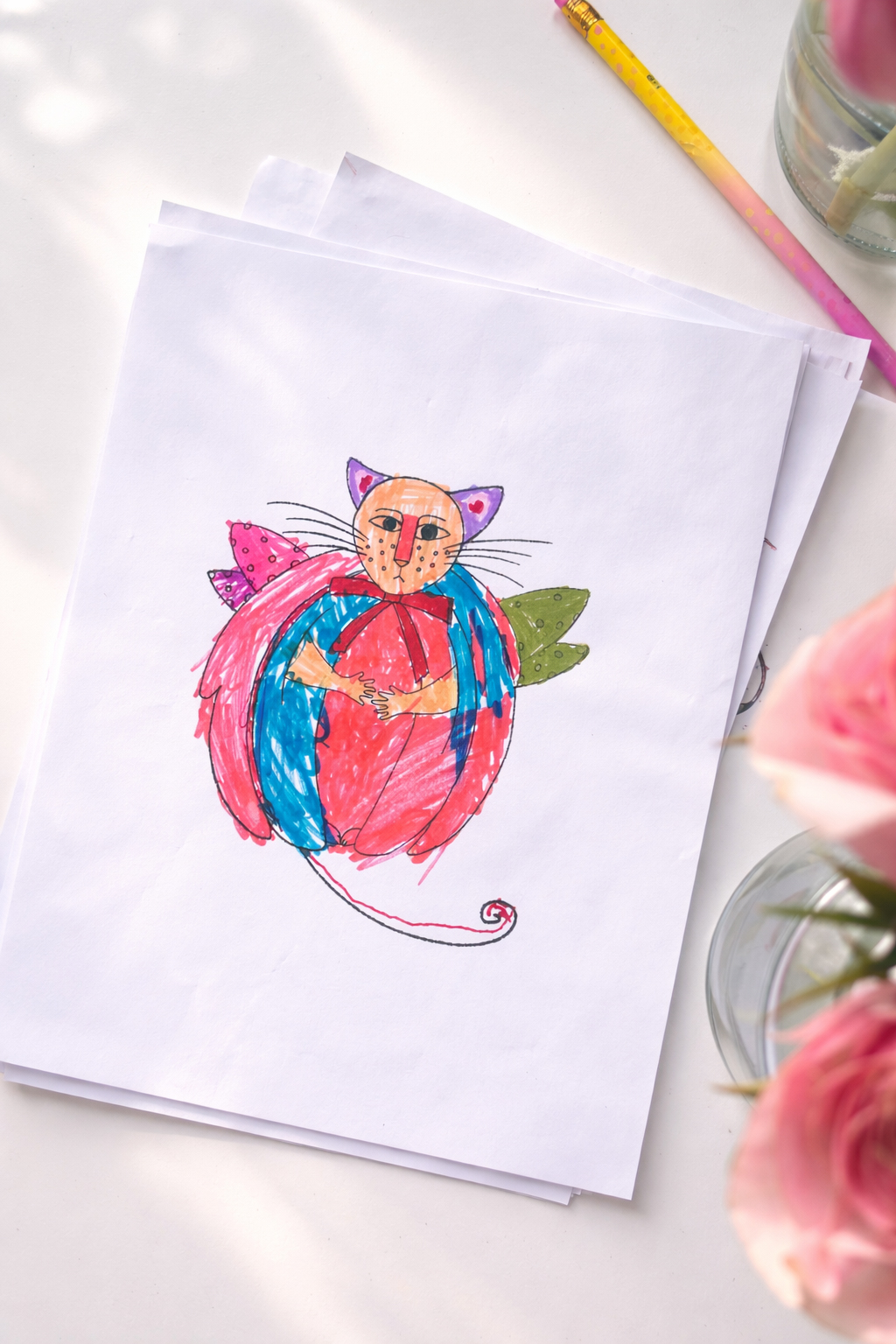
Coloring pages / ColorJoy, etc
Coloring pages for ColorJoy app, Fantasy Coloring book and Bita Razavi’s “Coloring Book for Concerned Adults”.
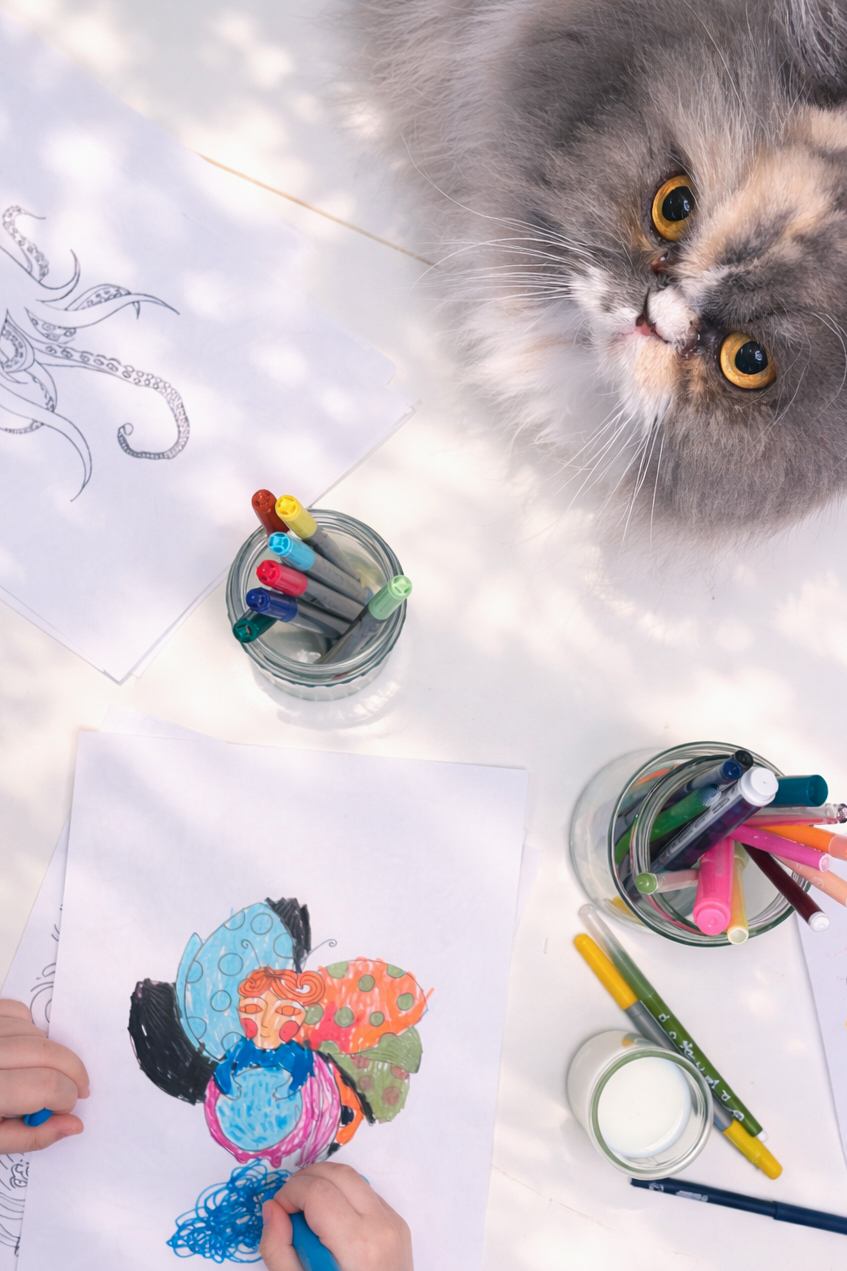
Coloring pages / ColorJoy, etc
Coloring pages for ColorJoy app, Fantasy Coloring book and Bita Razavi’s “Coloring Book for Concerned Adults”.
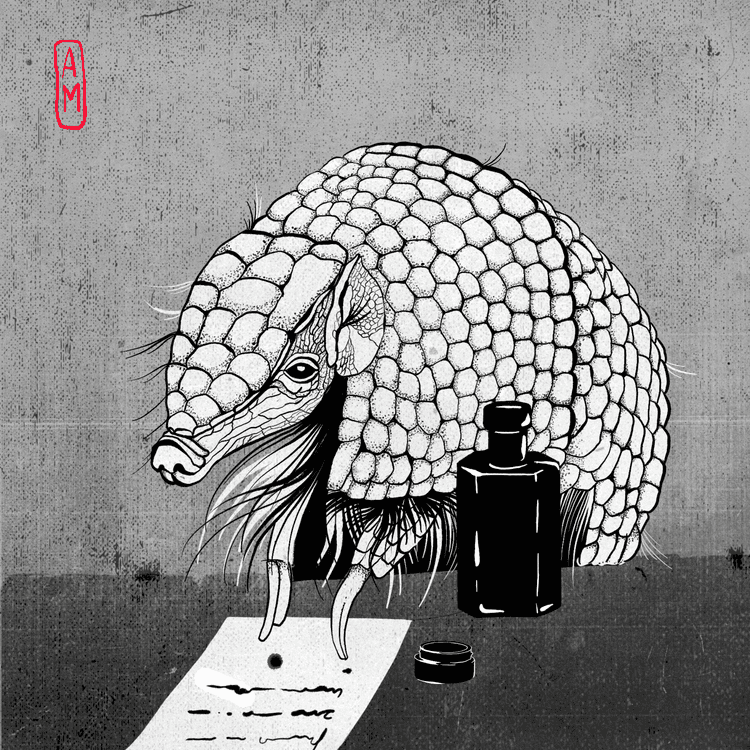
Magical animals & other stories
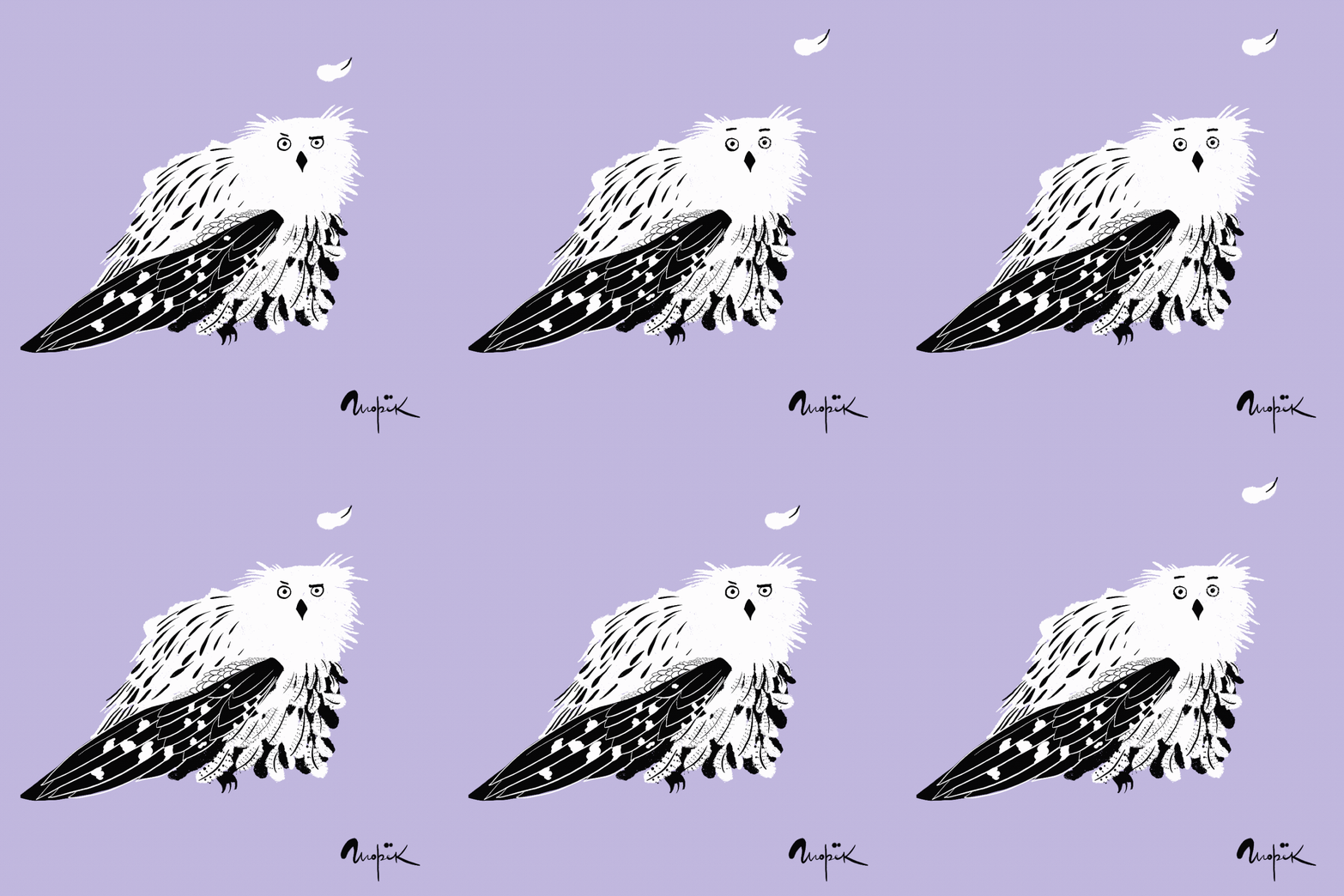
I enjoy bringing magical animal characters to life, each imbued with its own story and personality.
Magical animals & other stories
Click to see more about the project.
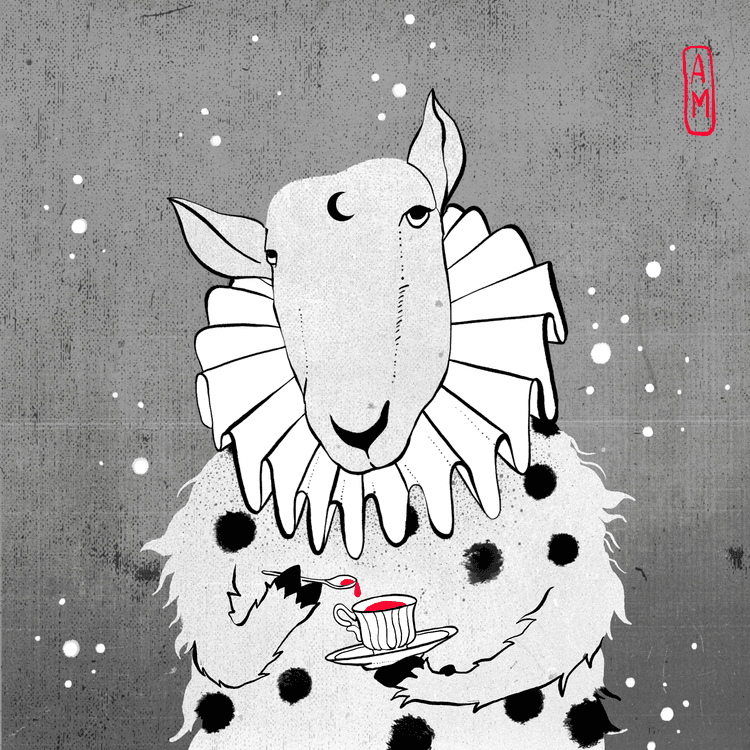
Magical animals & other stories
I enjoy bringing magical animal characters to life, each imbued with its own story and personality.
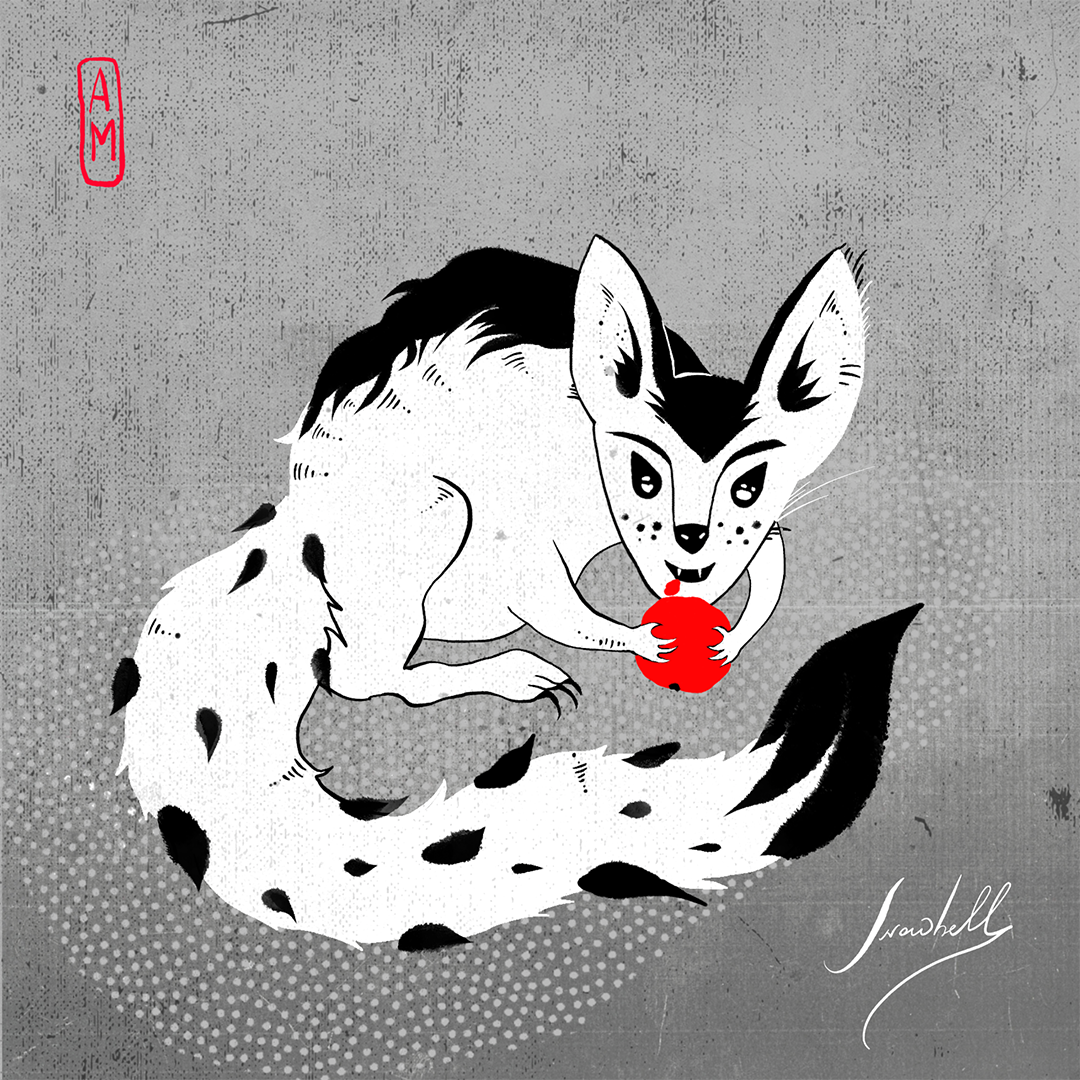
Magical animals & other stories
I enjoy bringing magical animal characters to life, each imbued with its own story and personality.
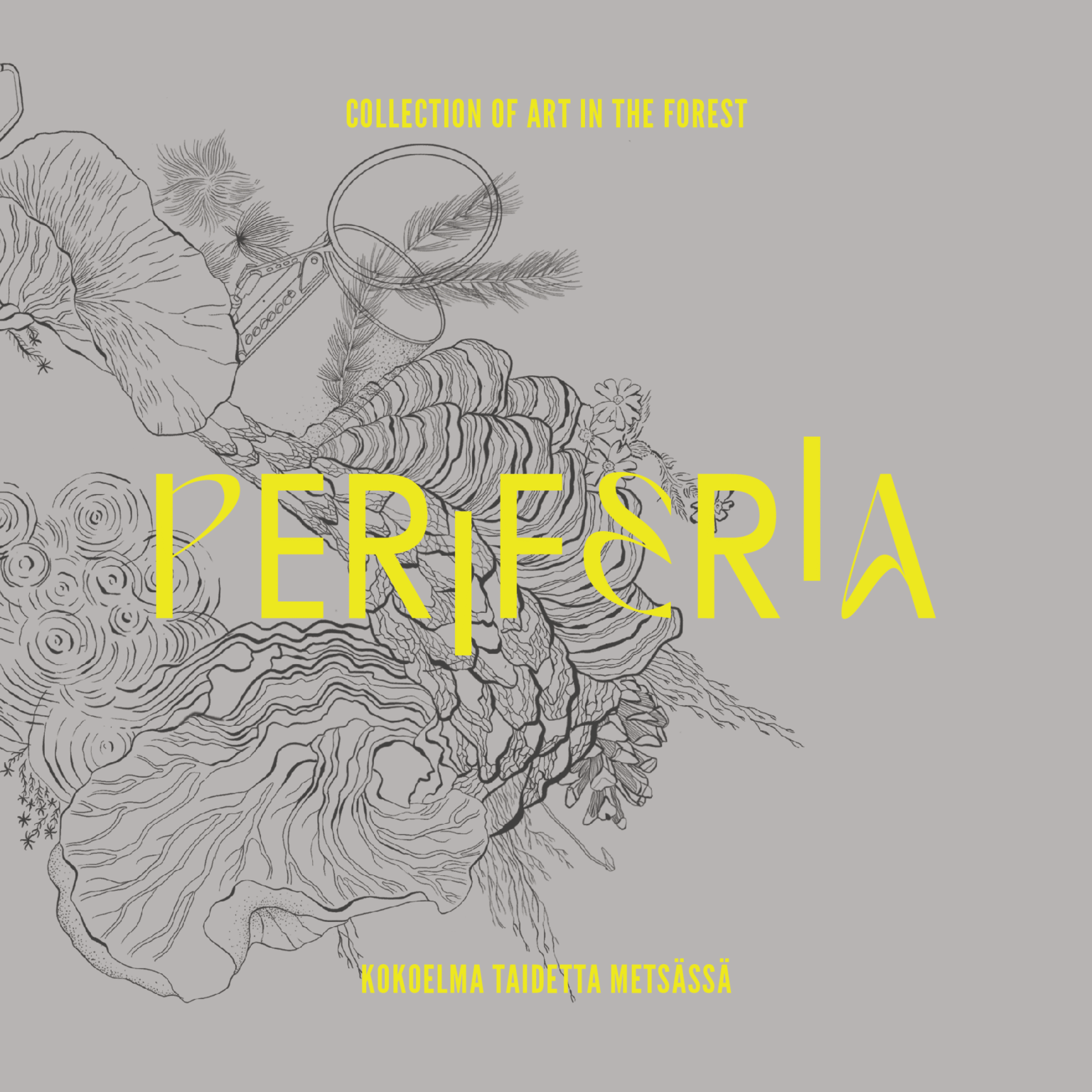
Event identity / University of Helsinki
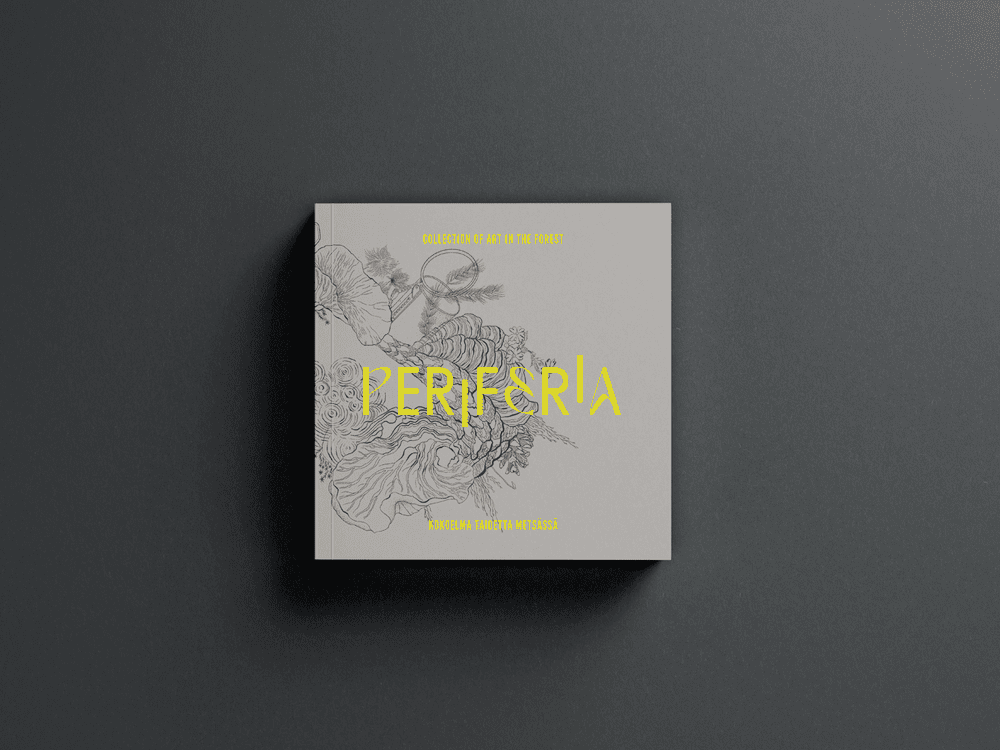
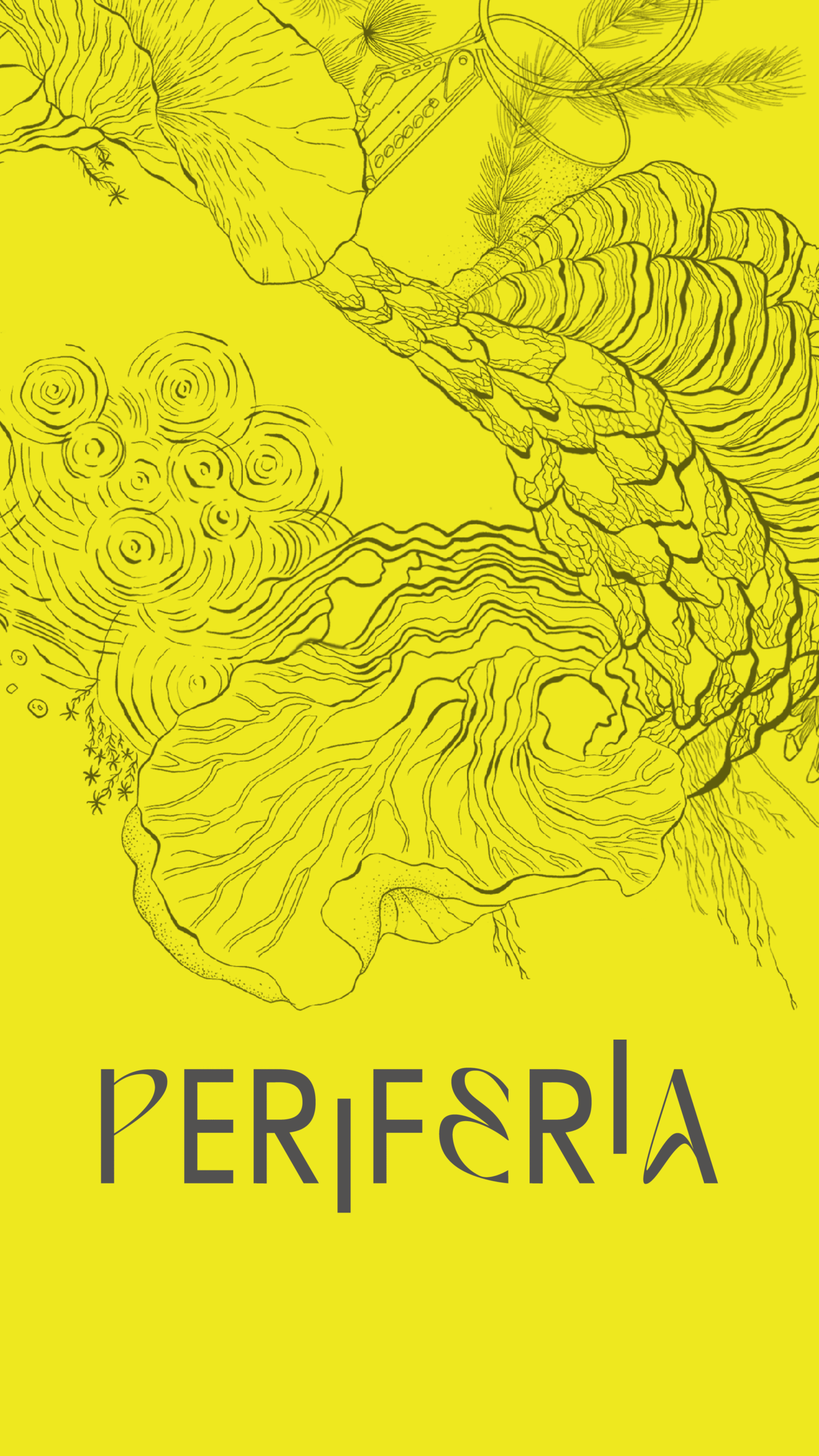
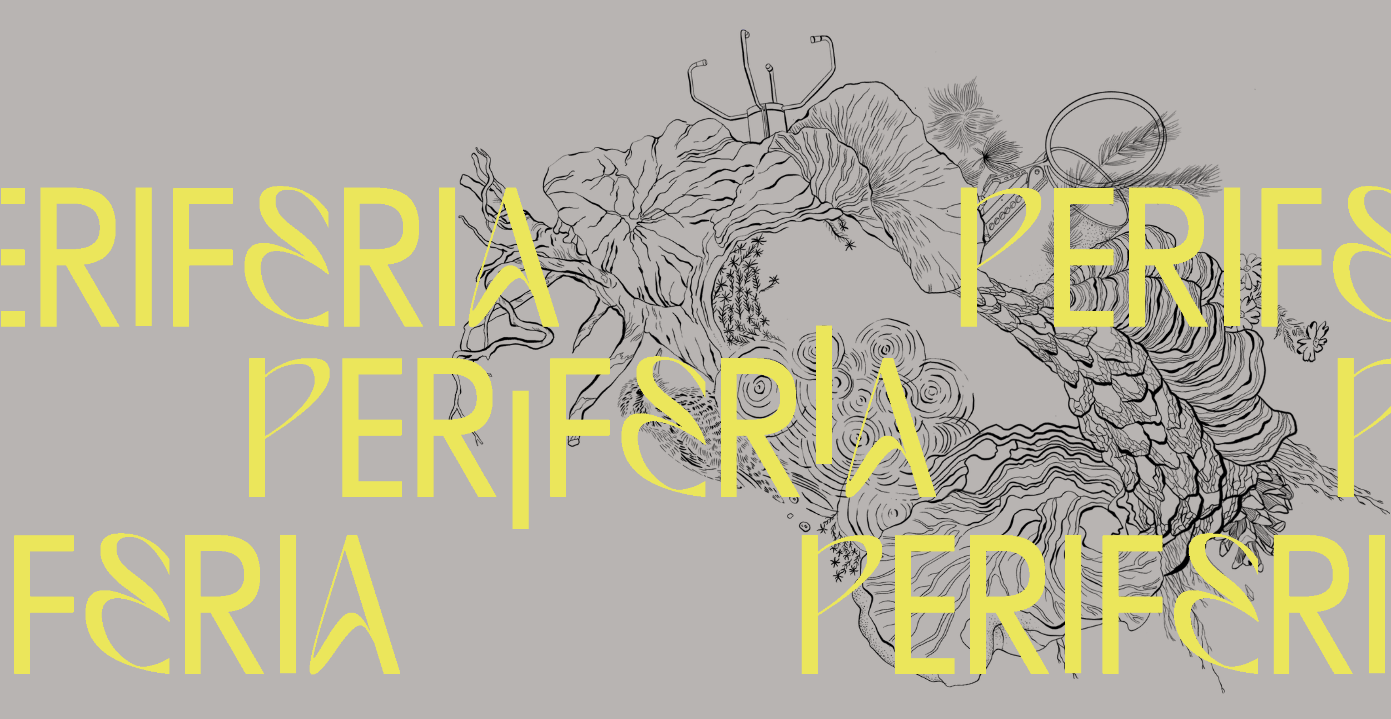
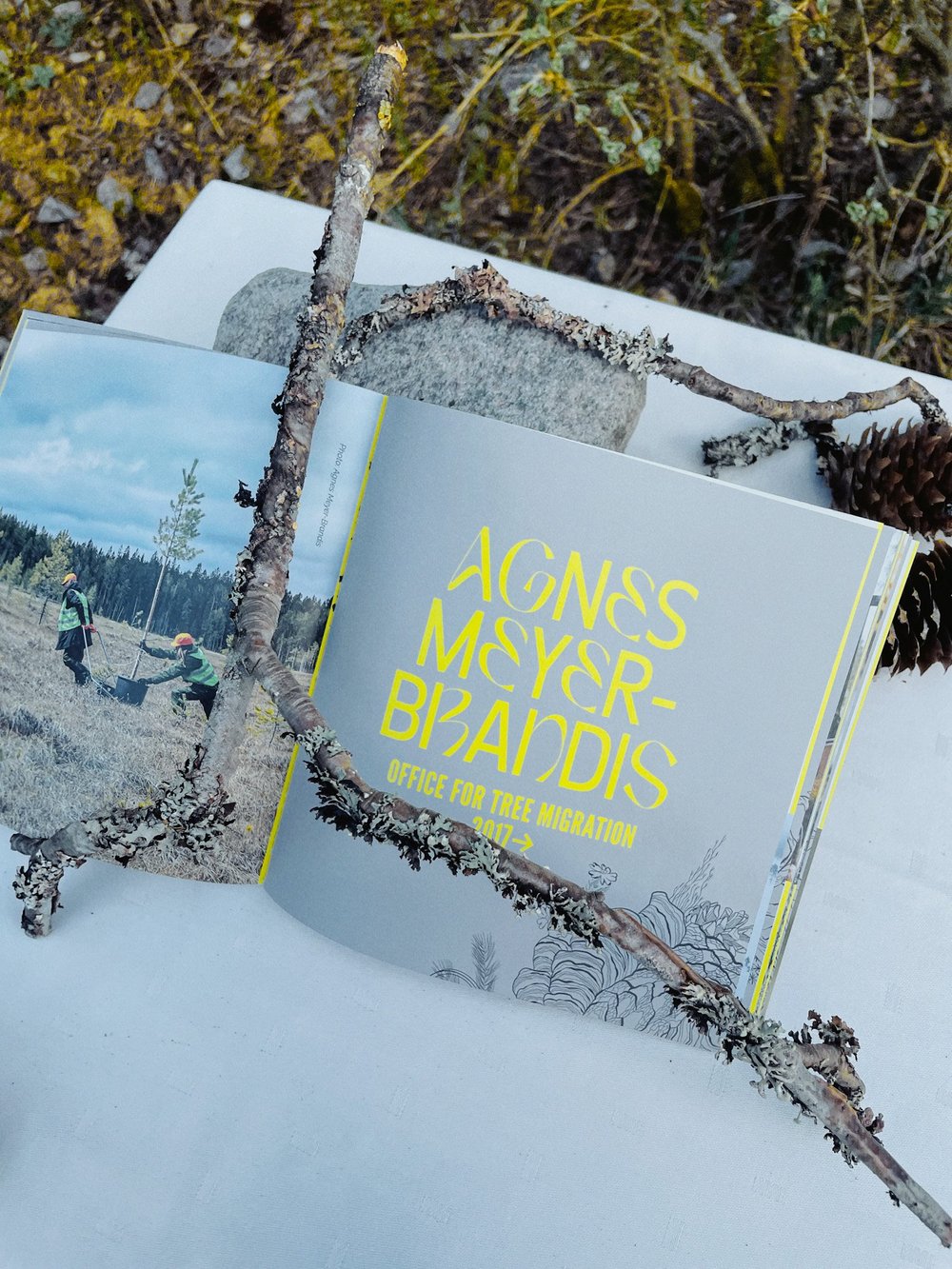
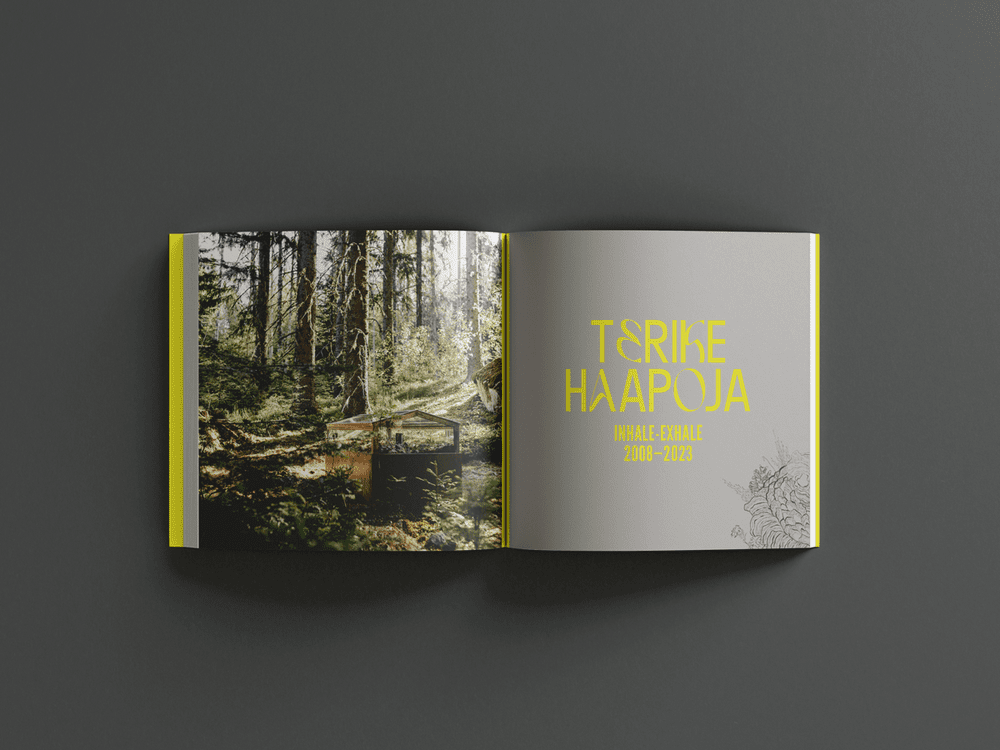
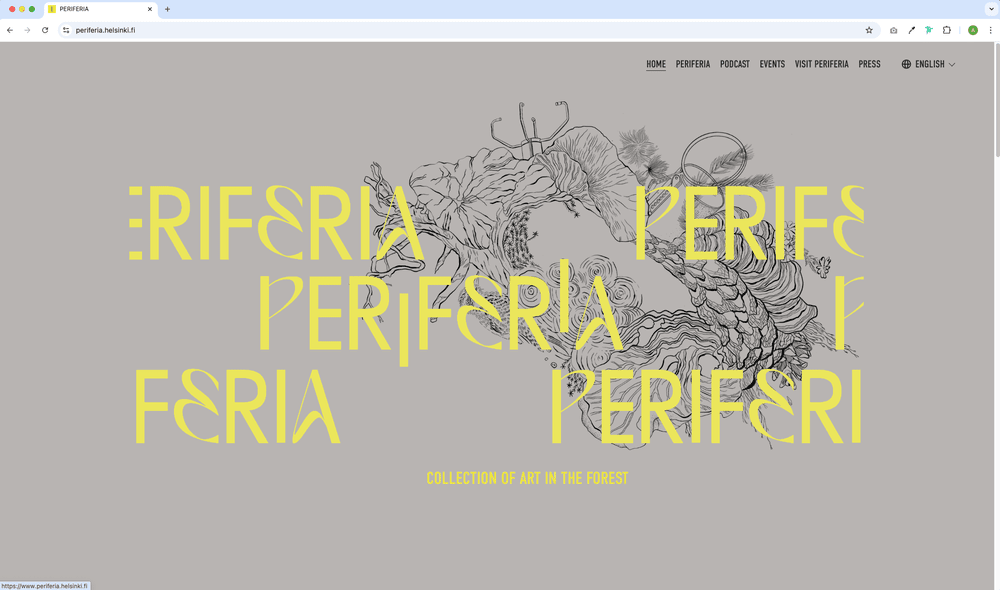
Periferia – Forest Art Lab was a multidisciplinary exhibition at the University of Helsinki’s Hyytiälä Forest Station, exploring the intersection of art, science, and nature. I designed the exhibition’s visual identity, including the logo, typography, and a central illustration that captured the dialogue between human creativity and the forest environment. The illustration became the core visual element across printed and digital materials, uniting the exhibition’s look and atmosphere.
Event identity / University of Helsinki
Click to see more about the project.
Event identity / University of Helsinki
Periferia – Forest Art Lab was a multidisciplinary exhibition at the University of Helsinki’s Hyytiälä Forest Station, exploring the intersection of art, science, and nature. I designed the exhibition’s visual identity, including the logo, typography, and a central illustration that captured the dialogue between human creativity and the forest environment. The illustration became the core visual element across printed and digital materials, uniting the exhibition’s look and atmosphere.
Event identity / University of Helsinki
Periferia – Forest Art Lab was a multidisciplinary exhibition at the University of Helsinki’s Hyytiälä Forest Station, exploring the intersection of art, science, and nature. I designed the exhibition’s visual identity, including the logo, typography, and a central illustration that captured the dialogue between human creativity and the forest environment. The illustration became the core visual element across printed and digital materials, uniting the exhibition’s look and atmosphere.
Event identity / University of Helsinki
Periferia – Forest Art Lab was a multidisciplinary exhibition at the University of Helsinki’s Hyytiälä Forest Station, exploring the intersection of art, science, and nature. I designed the exhibition’s visual identity, including the logo, typography, and a central illustration that captured the dialogue between human creativity and the forest environment. The illustration became the core visual element across printed and digital materials, uniting the exhibition’s look and atmosphere.
Event identity / University of Helsinki
Periferia – Forest Art Lab was a multidisciplinary exhibition at the University of Helsinki’s Hyytiälä Forest Station, exploring the intersection of art, science, and nature. I designed the exhibition’s visual identity, including the logo, typography, and a central illustration that captured the dialogue between human creativity and the forest environment. The illustration became the core visual element across printed and digital materials, uniting the exhibition’s look and atmosphere.
Event identity / University of Helsinki
Periferia – Forest Art Lab was a multidisciplinary exhibition at the University of Helsinki’s Hyytiälä Forest Station, exploring the intersection of art, science, and nature. I designed the exhibition’s visual identity, including the logo, typography, and a central illustration that captured the dialogue between human creativity and the forest environment. The illustration became the core visual element across printed and digital materials, uniting the exhibition’s look and atmosphere.
Event identity / University of Helsinki
Periferia – Forest Art Lab was a multidisciplinary exhibition at the University of Helsinki’s Hyytiälä Forest Station, exploring the intersection of art, science, and nature. I designed the exhibition’s visual identity, including the logo, typography, and a central illustration that captured the dialogue between human creativity and the forest environment. The illustration became the core visual element across printed and digital materials, uniting the exhibition’s look and atmosphere.
Editorial illustration / Illustrator's magazine
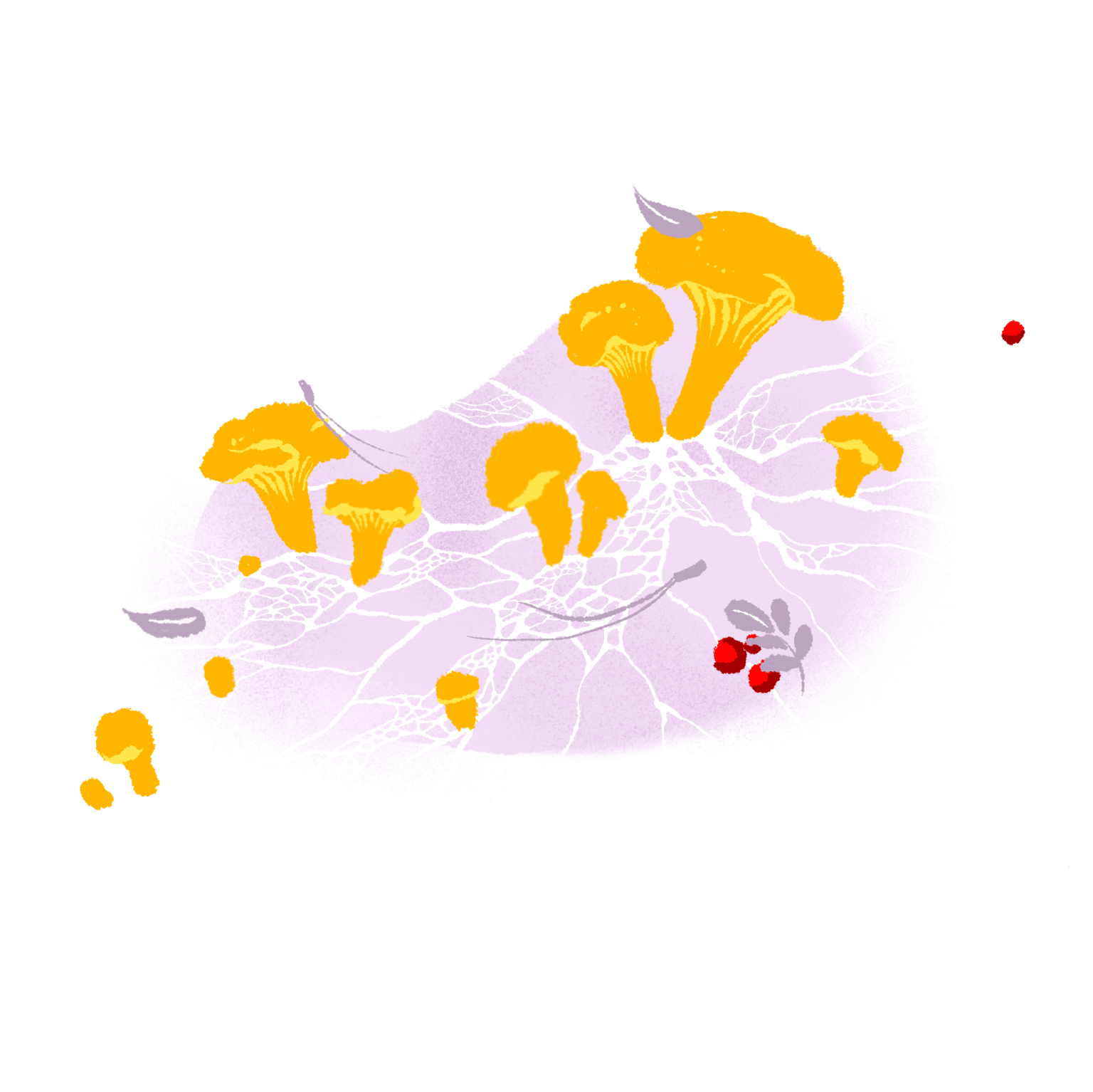
Kuvitukset Kuvittaja-lehden kahteen avausartikkeliin.
Editorial illustration / Illustrator's magazine
Click to see more about the project.
Editorial illustration / Illustrator's magazine
Kuvitukset Kuvittaja-lehden kahteen avausartikkeliin.
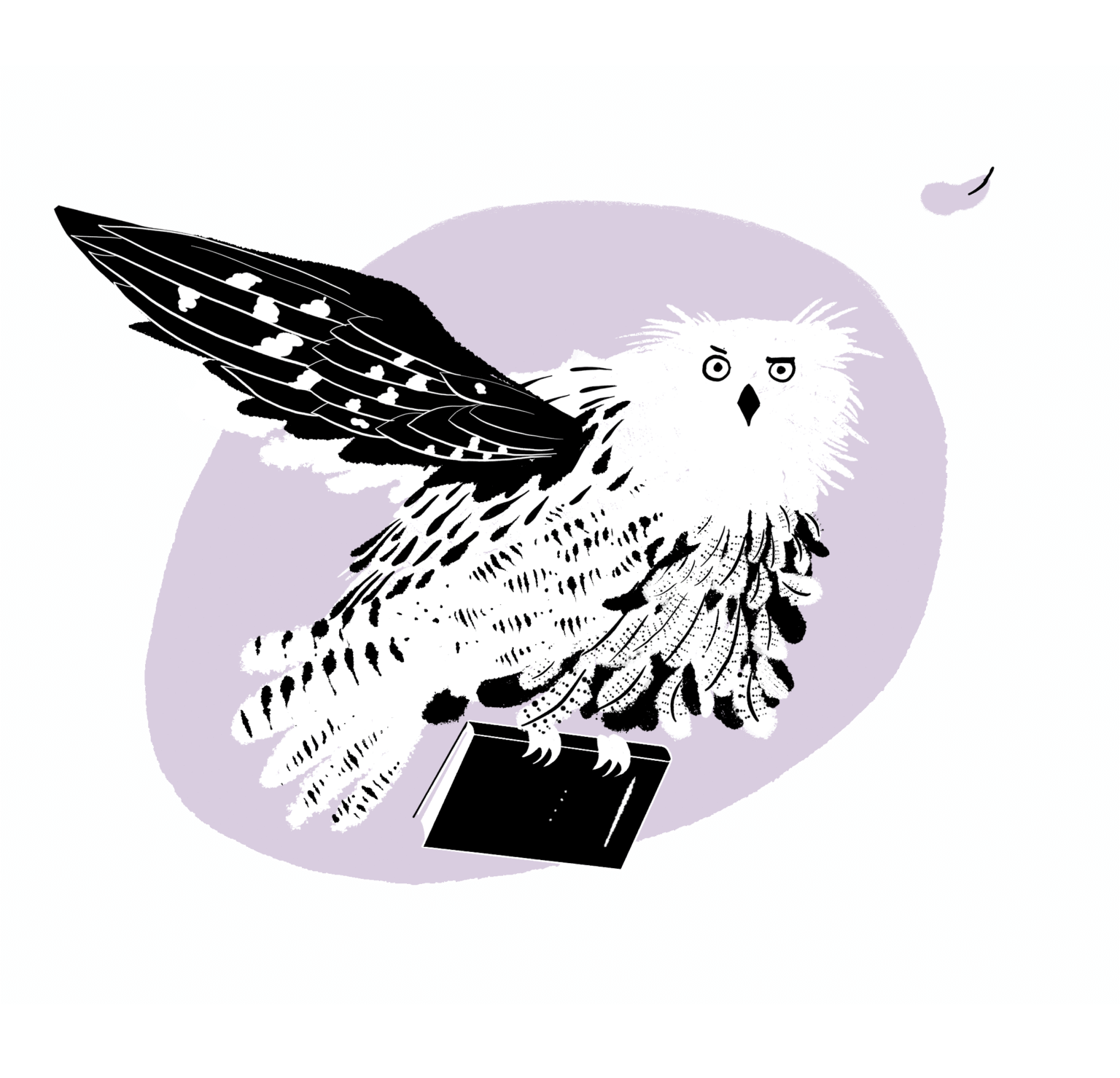
Editorial illustration / Illustrator's magazine
Kuvitukset Kuvittaja-lehden kahteen avausartikkeliin.
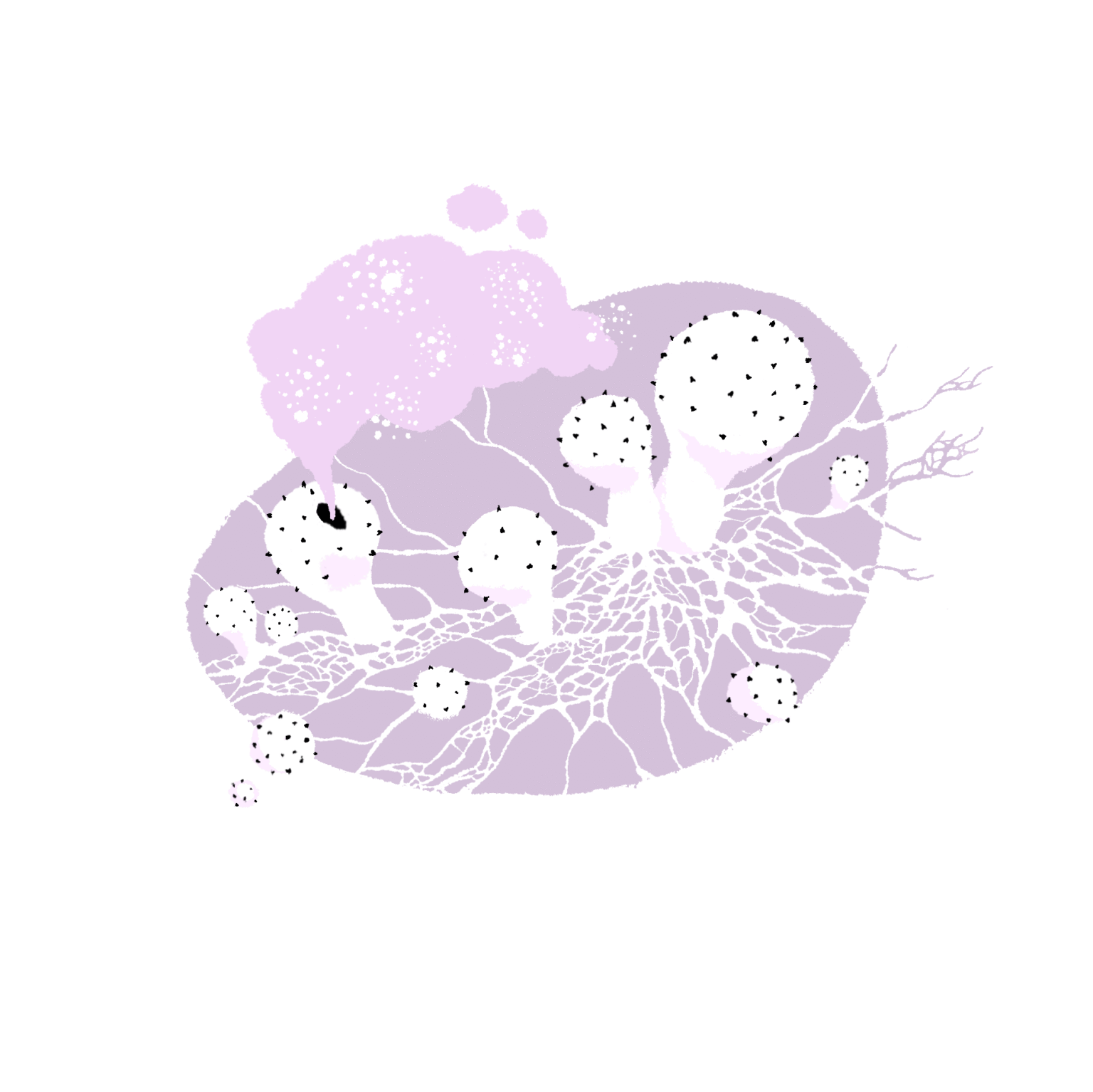
Editorial illustration / Illustrator's magazine
Kuvitukset Kuvittaja-lehden kahteen avausartikkeliin.
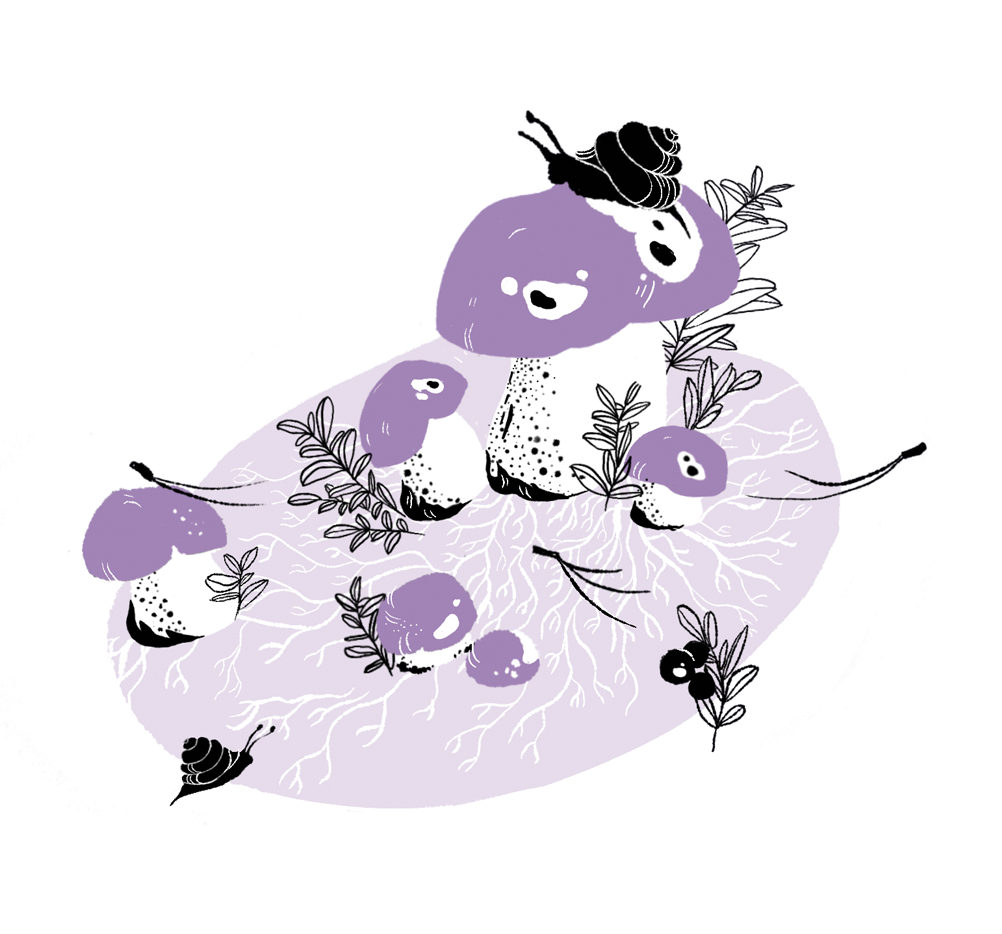
Editorial illustration / Illustrator's magazine
Kuvitukset Kuvittaja-lehden kahteen avausartikkeliin.