
Treasures from the archives
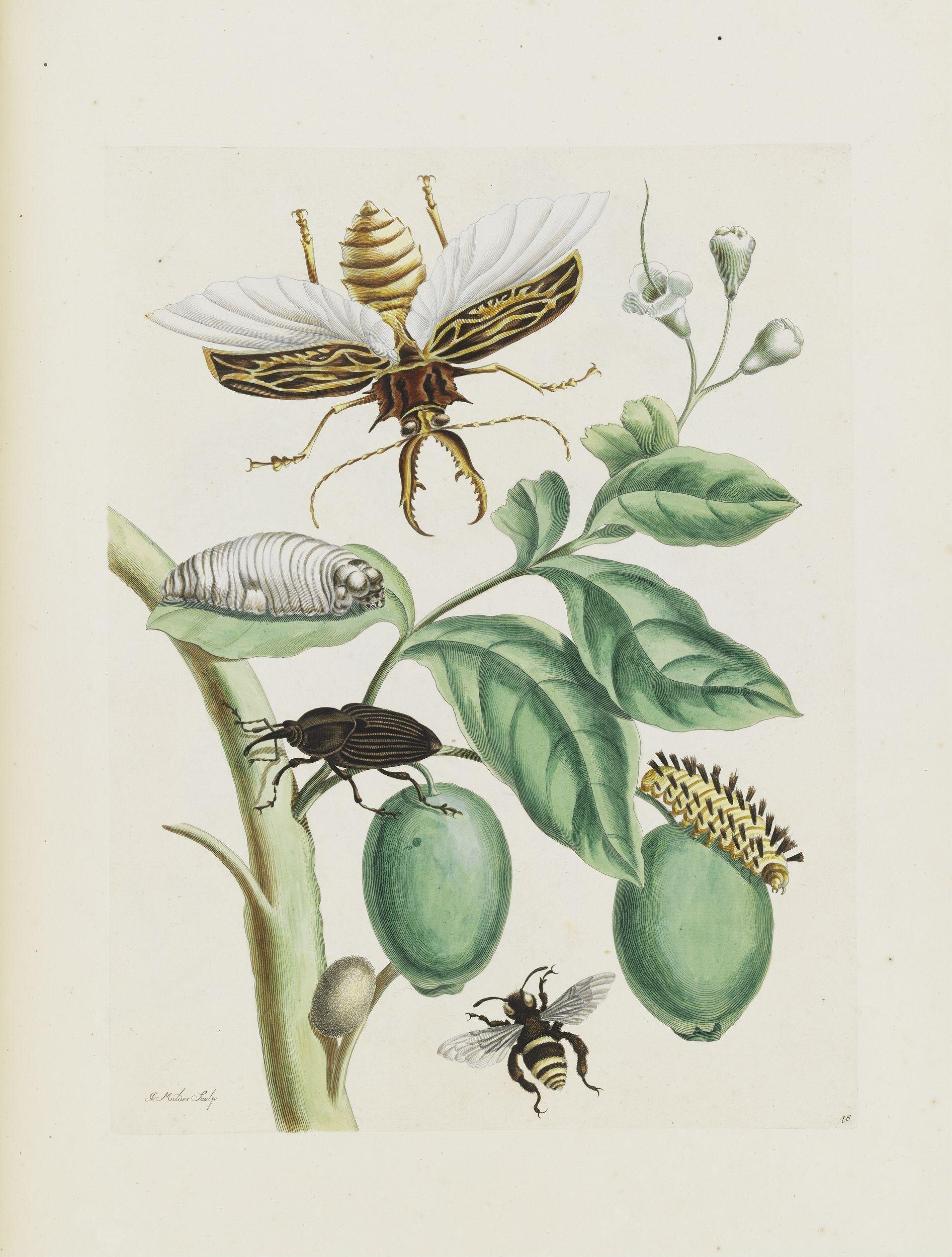
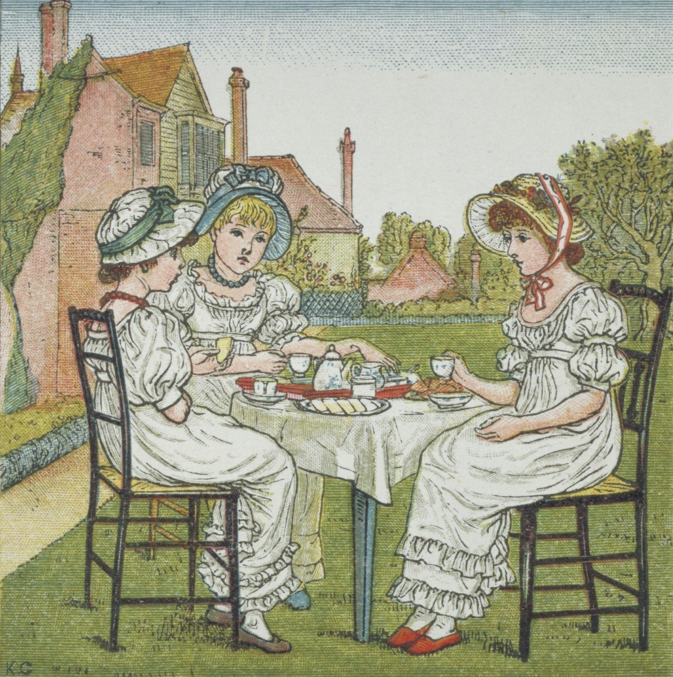
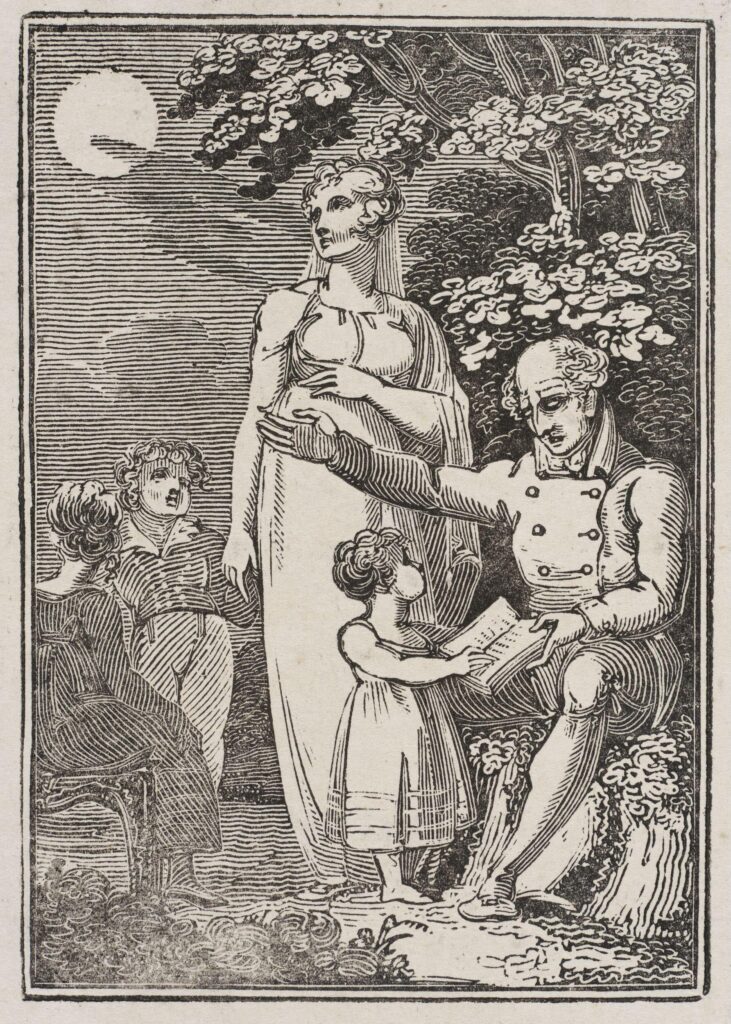
The Victoria & Albert arts and crafts museum offers much to explore, especially for visitors to London interested in the illustration and printing techniques of earlier centuries. The collections include magazine illustrations, works by beloved British children’s book illustrators as well as botanical illustrations.
According to curator Annemarie Bilclough, the collections focus on woodcuts and the British ‘golden age’ for historical reasons. From its early days in the 19th century, the museum has been closely associated with design education and the British Arts and Crafts Movement of the late 19th century, which sought to revive the value of traditional crafts.
“The collection of works has been driven by an interest in the processes of art and design,” says Bilclough. In addition to finished pieces, the collections include artefacts related to the various stages of the creation process, such as printing plates, tools and materials.
The V&A has an extensive collection of patterns by architect William Morris, particularly famous for his wallpapers, as well as drawings, prints, calligraphy and typeface designs from the Pre-Raphaelite Brotherhood – including works by Edward Johnston, who created the font for London Underground.
The illustration collection’s greatest strengths include its book and magazine illustrations from the late 18th century to the early 20th century. These include original drawings and sketchbooks by Randolph Caldecott, as well as works by Kate Greenaway, known for her endearing illustrations of child characters.
“Our collection of botanical illustrations is particularly extensive and international,” adds Bilclough.
V&A Museum.
Since the 1970s, the V&A has received significant donations of children’s book illustrations. These include almost all the original E.H. Shepard pencil sketches found in A.A. Milne‘s Winnie-the-Pooh books, as well as the world’s largest collection of works by children’s author and illustrator Beatrix Potter.
Works included in the collection from the creator of Peter Rabbit and other beloved animal characters consist of sketches and versions she created, storybook manuscripts as well as nature and landscape pieces.
The museum also houses an extensive Renier collection amassed by the private collector couple. It contains hundreds of children’s illustrations and around 80,000 children’s books.
Works included in the V&A’s illustration collections can be viewed in the V&A South Kensington Museum’s Prints and Drawings Study Room, with some exceptions. The museum is also home to the National Art Library’s collections.
Previously stored in the Blythe House’s archives, the works of Beatrix Potter, the Renier collection, comics as well as the art and design archive are now moving to the new V&A East Storehouse. It’ll open to the public next year as part of a science and culture hub being built in the Queen Elizabeth Olympic Park.
The V&A also runs an illustration competition with several categories ranging from children’s illustrations to advertisements.
The Quentin Blake Centre for Illustration (formerly the House of Illustration) is another London-based arts organisation dedicated to illustration that regularly holds exhibitions. It isn’t a traditional museum, however, as it doesn’t have collections of its own.
“We work closely with museums, archives and private collectors to present a diverse range of illustrations. Our exhibitions have covered subjects such as feminist comics, Cuban propaganda posters and anime backdrops, to name a few,” says Artistic Director Olivia Ahmad.
The centre was founded in 2002 by illustrator Quentin Blake, who made his extensive archive of 40,000 works available for use. Blake is best known for illustrating Roald Dahl‘s hugely popular children’s books, although his long career encompasses many other things too.
“The earliest works in the archive are comics from the 1940s, and new works are coming in all the time, as Quentin still draws every day,” says Ahmad.
“The archive is an astonishing record of Quentin’s career. It tells a story of the illustration and printmaking process as a whole, as it includes not only finished pieces, but also page layouts, manuscripts and sketches.”
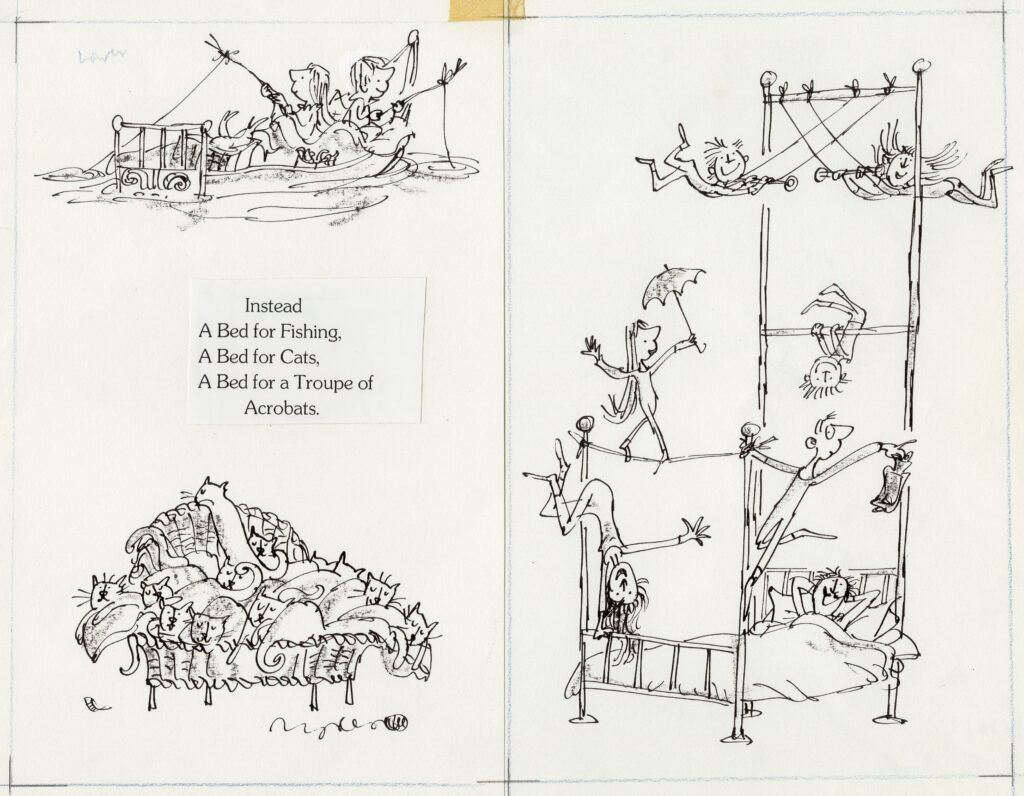
The Quentin Blake Centre is now working to restore an old, abandoned waterworks in Clerkenwell, London. The centre, due to open next year, will house both temporary illustration exhibitions as well as Quentin Blake’s archive.
According to Ahmad, the aim is to offer not only something to see, but also workshops and courses for all ages, residencies for illustrators and a range of discussions, performances and other events.
“We’re currently planning all of this in collaboration with lots of people. We can’t wait to open.”
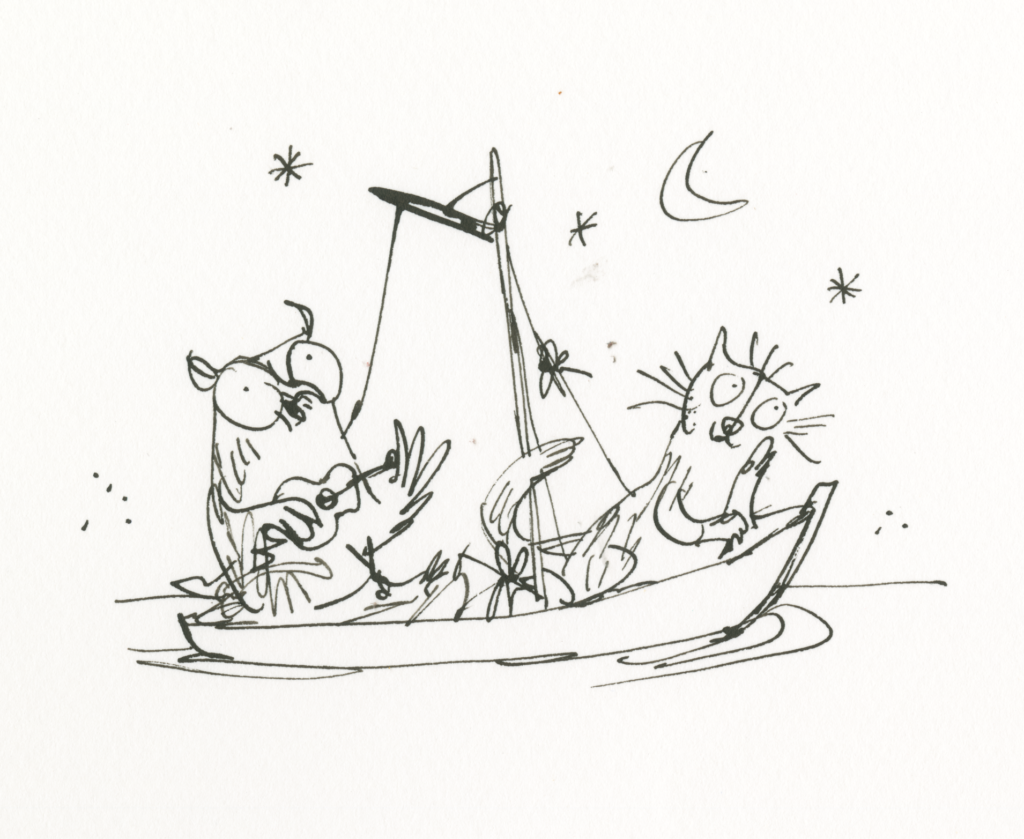
If you venture further out to sea, the National Museum of American Illustration in the United States might well be worth a visit. Housed in an ornately decorated mansion from the turn of the 20th century in Newport, Rhode Island, they have an extensive collection of famous advertisements, posters and magazine covers.
The opulent Vernon Court is home to the world’s largest collection of American illustration masterpieces. It’s the culmination of decades of hard work.
The museum’s founder, Judy Goffman Cutler, began her career as a collector and art dealer in the 1960s. She recognised the value of illustration as part of national heritage at a time when it was still within a housewife’s budget. She started out by collecting prints and gradually began seeking original works as well. They have now risen to their true value.
“I love the illustrations I’ve collected, so I don’t want to sell. That’s why I have a museum,” Goffman Cutler summarised for a local newspaper.
The collection includes a wide range of works by artists such as Maxfield Parrish, Norman Rockwell and J.C. Leyendecker as well as Howard Pyle, who is considered the father of American illustration. Some pieces are on loan to exhibitions around the world, and the museum has a changing selection on display. At the moment, however, the centre is closed for renovation.
The American illustration organization Society of Illustrators has its own museum in New York. Founded in 1981, the Museum of Illustration has already acquired around 2,500 pieces. In addition to exhibiting historical illustrations, the Society of Illustration also showcases contemporary works, particularly in connection with its Illustrators Annual Competition.
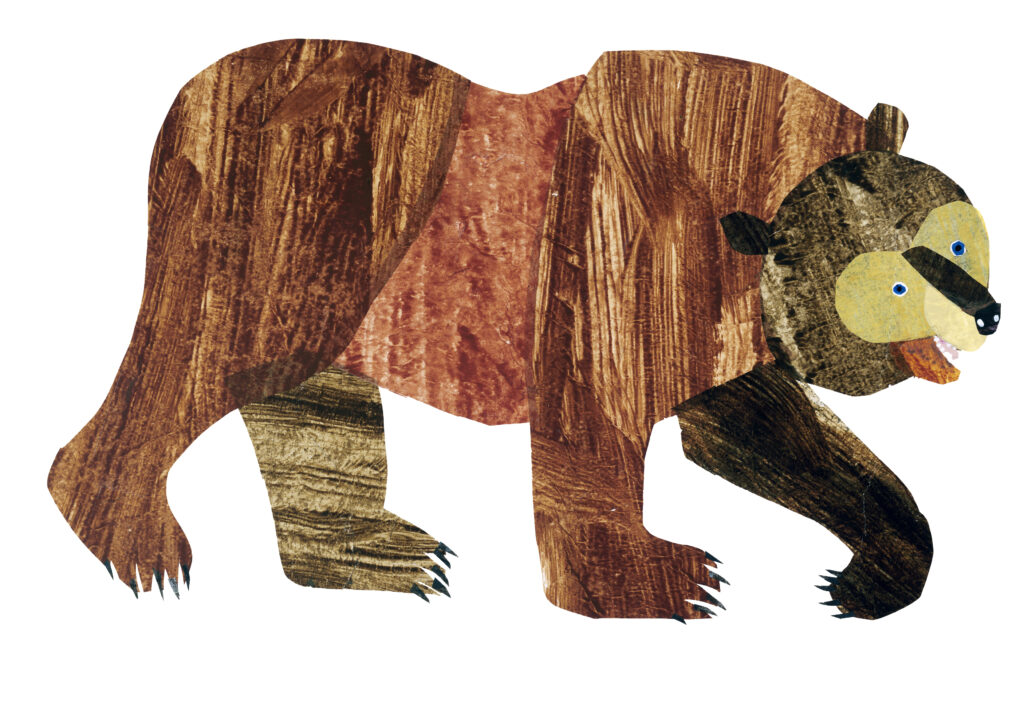
©Penguin Random House LLC.
Extensive illustration collections can also be found at the Eric Carle Museum in the United States. Eric Carle (1929–2021) was an illustrator renowned for his collage technique, whose delightful The Very Hungry Caterpillar (in Finnish Pikku toukka paksulainen) is beloved by generations of Finnish children. In 2002, Carle and his wife founded a museum specialising in picture book art in Amherst, Massachusetts, which now hosts a collection of 11,000 works by 200 illustrators.
The Eric Carle Museum of Picture Book Art has spaces for three temporary exhibitions, a library containing thousands of picture books along with reading nooks as well as activities open to the public, such as workshops and artist visits.
Until the end of August, for instance, the museum is exhibiting a selection of the sympathetic bird characters that Carle included in almost every book he illustrated.
Illustration collections can also be found in Finland. The Moomin Museum at Tampere Hall features original illustrations from the Moomin books drawn by Tove Jansson, which she donated to the museum in 1986. The exhibition follows the chronological order of the books, so viewers can see how Jansson’s drawing style and characters have evolved over time.
In addition to drawings, the exhibition also includes tableaus constructed by Jansson’s partner, graphic artist Tuulikki Pietilä, as well as a two-metre tall Moominhouse – a joint effort by the two artists. The museum also hosts temporary exhibitions in its Observatory. Currently, it’s displaying an exhibition called ‘An Artist’s Life’ that examines Jansson’s artistic works, stages of her life as well as her personal relationships.
The Finnish Institute for Children’s Literature has thousands of original illustrations by Finnish artists in its archives, most notably the large collections of works by Camilla Mickwitz and Maija Karma. A selection of originals have been framed and assembled into exhibitions for loan.
The Lahti Museum of Visual Arts Malva houses a poster collection of as many as 70,000 posters. The domestic collection is based on exhibition posters collected before the year 1975 for the Lahti Art Museum, materials donated to the museum from the first Lahti Poster Biennial as well as a collection of posters by prominent Finnish graphic designers. Foreign works include French Art Nouveau posters, old Japanese woodcut posters, tourism posters from Central Europe dating back to the 1920s and 1930s as well as an extensive collection of Soviet posters.
A new project is also underway which focuses on archiving illustrations. The Finnish Illustration Association, Grafia and the Foundation to Promote Journalistic Culture JOKES are in the process of setting up a national archive of editorial illustrations. The archive is set to be housed in the Press Photo Archive of the Finnish Heritage Agency.
Other illustration museums
The collections include Spanish illustrations from the late 19th century to the present day. They also house international exhibitions.
The University of Findlay, which specialises in illustration research, has amassed a significant collection of children’s book illustrations.
Museum Tomi Ungerer, Strasbourg
A large collection of pieces donated by illustrator Tomi Ungerer (1931–2019) that include his own and other artists’ works, especially satirical pieces.
